
Planting
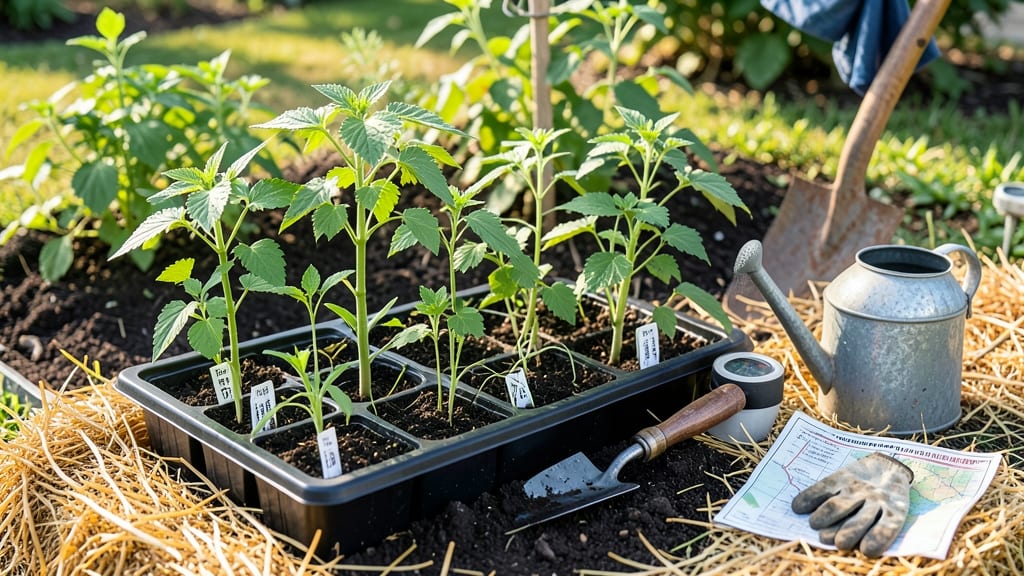
Planting a garden in Arkansas at the right time means the difference between a bountiful harvest and a wasted season—and the clock starts ticking after your last frost, which for most of the state falls around mid-March.
Missed planting season in Arkansas? Don’t worry—knowing the perfect timing for your Zone 7a/7b garden can mean the difference between thriving vegetables and wilted disappointment. Here’s your frost-free planting schedule to maximize your harvest.
The key is understanding Arkansas’ microclimates—whether you’re in the cooler north or the warmer south. Too early, and a late frost will kill tender seedlings; too late, and heat-sensitive crops bolt before you can enjoy them.
Below, I break down the ideal planting windows for cool-season and warm-season crops, how to adjust for Arkansas’ humidity and clay-heavy soil, and the three biggest mistakes gardeners make with timing.
Arkansas Zone 7a/7b planting calendar: frost dates and ideal timing
If you're planning a garden in Arkansas, timing is everything. The Zone 7a/7b climate gives you a 200-240 frost-free days—plenty of time for two full growing seasons if you know when to start.
The last average frost date typically falls around March 15, while the first frost usually arrives by November 15. These dates can shift slightly depending on whether you're in northern or southern Arkansas, so always check local forecasts.
For cool-season crops like lettuce, spinach, and peas, you’ll want to plant as early as February or even late January in southern regions. These hardy plants can tolerate light frosts and often thrive when temperatures are still chilly.
Meanwhile, warm-season crops such as tomatoes, peppers, and cucumbers should wait until after the last frost—usually mid-April—when soil temperatures consistently stay above 60°F.
Arkansas' humidity and clay-heavy soil can also influence planting times. For example, eggplants and okra prefer warmer soil and may need to be started indoors or in greenhouses before transplanting. Meanwhile, herbs like basil and cilantro have specific temperature preferences—basil needs warmth, while cilantro bolts in heat. Understanding these nuances ensures your garden thrives year-round.
In Arkansas, spring planting kicks off in earnest in March, but don’t rush—soil can still be cold. Use a soil thermometer to confirm it’s at least 50°F for cool-season crops and 60°F for warm-season varieties.
For container gardening, you can extend the season by moving pots indoors or to a sheltered spot when nighttime temperatures dip.
For fall planting, aim to sow seeds by mid-summer so crops like kale, Brussels sprouts, and turnips mature before the first frost. These cool-season favorites often taste sweeter after a light frost, making them perfect for Arkansas’ mild winters.
Just be sure to mulch heavily to protect roots from temperature swings.
If you’re new to gardening in Arkansas, don’t overlook microclimates. A spot near a south-facing wall or under a tree canopy might stay warmer longer, allowing you to plant earlier or extend the season.
Similarly, low-lying areas can trap cold air, delaying planting or causing frost damage. Observe your yard’s unique conditions to fine-tune your schedule.
Pro tip: Use row covers or cold frames to protect tender plants from unexpected late frosts. These tools can buy you an extra 2–4 weeks of growing time in spring or fall, giving heat-sensitive crops like peppers and eggplants a fighting chance.
Just remember to remove covers during the day to prevent overheating.
Finally, keep an eye on the Arkansas Agricultural Extension Service for localized updates. Their frost date maps and planting guides are tailored to your specific county, ensuring you’re always ahead of the curve.
With the right timing, your Arkansas garden can be productive from February to November—or even later with a little creativity!
How to adjust planting for Arkansas’ microclimates and soil conditions
Arkansas’ Zone 7a/7b climate brings unique challenges like heavy clay soil and humidity spikes, but with the right adjustments, you can extend your growing season and thrive.
The key is understanding how microclimates—like urban heat islands or shaded valleys—affect your garden’s micro-environment. Even a 5-degree difference can shift planting windows by weeks!
Start by testing your soil’s drainage and pH—Arkansas’ clay holds moisture but can suffocate roots if not amended. Mix in 2-3 inches of compost or aged manure to improve aeration.
For heat-sensitive crops like lettuce or spinach, use row covers to buy extra time in spring or fall, protecting plants from late frosts or early heat waves.
For warm-season crops like tomatoes and peppers, wait until soil temps hit 60°F+—use a soil thermometer to avoid stunted growth. Heat-tolerant varieties (e.g., ‘Celebrity’ tomatoes or ‘Jalapeño M’) thrive in Arkansas’ summer humidity.
Pair them with mulch to retain moisture and suppress weeds, which compete for nutrients in clay soil.
Extend your fall harvest by planting cool-season crops like kale or radishes 6-8 weeks before your first frost (aim for early October). Use black plastic mulch to warm soil faster in spring or straw mulch to insulate roots in fall.
These tricks help you beat Arkansas’ short growing windows and enjoy fresh produce year-round.
Don’t overlook container gardening for small spaces or urban lots—pots warm up faster in spring and let you control soil quality. Fill containers with a lightweight mix (e.g., 50% peat moss, 30% perlite, 20% compost) to mimic ideal drainage.
Just ensure pots have drainage holes to prevent root rot in Arkansas’ humid summers.
Finally, monitor humidity levels—Arkansas’ muggy air can invite fungal diseases like powdery mildew. Space plants for good airflow and water at soil level (not overhead) to keep foliage dry. With these tweaks, you’ll turn Arkansas’ challenges into garden strengths! 🌿