
Planting
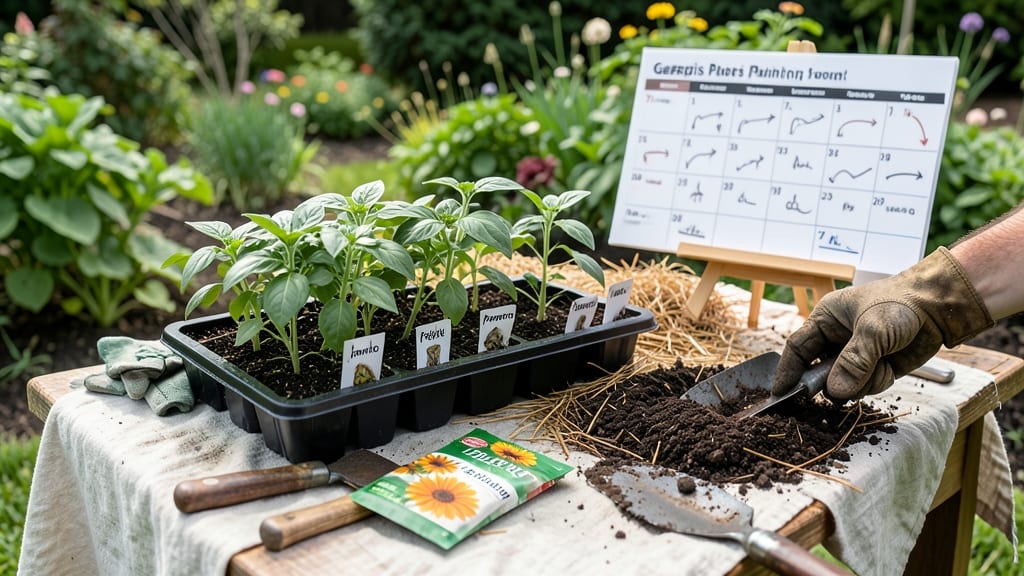
Planting a garden in Georgia at the right time means the difference between a bountiful harvest and a sad pile of wilted seedlings.
Georgia’s warm climate and diverse USDA zones (7a-8b) make it a gardener’s paradise—but planting at the wrong time can mean wilted dreams instead of thriving harvests. Whether you're sowing tomatoes in Atlanta or peppers in Savannah, timing is everything.
Cool-season crops like lettuce and spinach thrive when planted in early spring or late summer, while warm-season favorites such as okra and sweet potatoes need the soil to be warm and workable. Missing these windows can lead to stunted growth or even total crop failure.
In this guide, I’ll break down the perfect planting months for your zone, share tips for extending your growing season, and help you avoid common mistakes that ruin timing. Let’s get that garden growing!
Georgia planting calendar by month: Zone 7a vs 8b differences
Georgia’s USDA zones 7a and 8b create unique planting opportunities, but the 10°F temperature difference between them means critical timing shifts for your garden. In Zone 7a (Atlanta, Athens), last frost typically arrives March 15-April 1, while Zone 8b (Savannah, Macon) enjoys a 2-3 week earlier start.
This means cool-season crops like spinach and broccoli can begin 6 weeks sooner in the coast than inland.
Warm-season plants like sweet potatoes and okra also face different risks: Zone 7a gardeners must wait until May 15 to avoid late frosts, while Zone 8b can plant 2 weeks earlier.
Understanding these micro-climate differences lets you maximize your harvest window—sometimes by 4-6 weeks—while avoiding common mistakes like over-planting heat-sensitive crops too early.
Key strategy: Use succession planting in both zones to stagger harvests. For example, Zone 7a can plant green beans in April, June, and August, while Zone 8b adds a March planting for an earlier yield. The comparison below breaks down month-by-month planting windows for 12 essential Georgia crops, with zone-specific adjustments for frost dates and heat tolerance.
| Crop | Zone 7a Planting Window | Zone 8b Planting Window | Key Notes |
|---|---|---|---|
| Spinach | March 1 - April 15 Sept 1 - Oct 15 |
Feb 15 - March 30 Aug 15 - Sept 30 |
Bolt-resistant varieties; mulch to retain moisture |
| Broccoli | Feb 20 - March 15 July 15 - Aug 1 |
Jan 30 - Feb 20 June 15 - July 1 |
Start indoors 6 weeks before last frost |
| Sweet Potatoes | May 15 - June 15 | April 15 - May 1 | Soil temp must be 65°F+; black plastic mulch speeds growth |
| Okra | April 20 - June 1 | March 20 - April 15 | Heat-loving; drought-tolerant once established |
| Tomatoes | April 15 - May 15 | March 20 - April 15 | Use row covers for early plantings; stake for support |
| Green Beans | April 15, June 15, Aug 1 | March 15, May 1, July 1 | Succession plant every 2 weeks for continuous harvest |
| Peppers | April 20 - May 10 | March 25 - April 15 | Start indoors 8-10 weeks before transplanting |
| Lettuce | Feb 15 - March 30 Aug 15 - Sept 30 |
Jan 30 - Feb 20 July How to extend your Georgia growing season for nonstop harvestsGeorgia’s mild winters and long summers give gardeners a head start, but with the right techniques, you can push your growing season even further. The key is combining succession planting, season extenders, and heat-tolerant varieties to keep your garden productive year-round. I’ve learned that even in cooler months, you can harvest fresh greens, and in scorching summers, you can protect delicate plants from wilting. Start by selecting heat-tolerant varieties like Okra or Sweet Potatoes for early spring planting, while cool-season crops like Spinach or Kale can thrive in late summer with proper protection. Georgia’s unpredictable weather means you’ll need to be prepared for sudden temperature swings, but with the right tools, you can turn challenges into opportunities for longer harvests.
1. Use Row Covers
Lightweight fabric extends spring and fall seasons by 2-4 weeks. Secure over seedlings to protect from frost and pests.
2. Build Cold Frames
Glass or plastic structures trap heat, allowing you to grow greens and herbs through winter in Zone 7a.
3. Practice Succession Planting
Sow fast-growing crops like Radishes or Lettuce every 2-3 weeks for continuous harvests.
4. Mulch Heavily
Use straw or leaves to insulate soil, keeping roots 5-10°F warmer in winter and cooler in summer.
5. Choose Late Varieties
Opt for slow-maturing tomatoes or peppers to harvest into early fall before frost.
Preparing your soil is just as critical as choosing the right plants. Before planting, test your soil’s pH and amend it with compost or aged manure to ensure nutrients are available when you need them. Georgia’s clay-heavy soils benefit from organic matter to improve drainage, especially in Zone 8b where summer heat can bake the ground. For late-season crops, focus on shade-tolerant plants like Swiss Chard or Bush Beans, which can handle the intense summer sun better than delicate varieties. Pair them with drip irrigation to keep roots moist without encouraging fungal diseases. I’ve found that mulching around these plants reduces water evaporation by up to 30%, saving time and effort. Don’t forget to monitor weather forecasts and have emergency covers ready for unexpected cold snaps. Even in Georgia, a late frost can damage young plants, so always keep frost cloth or plastic sheeting on hand. With these strategies, you’ll enjoy fresh produce from early spring through late fall—no grocery store required! |