
Planting
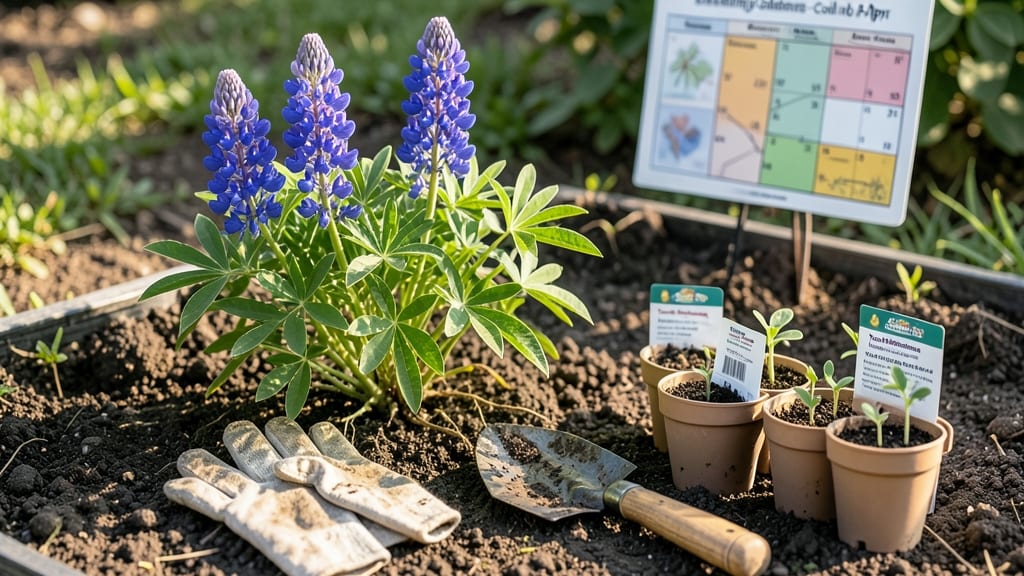
Planting your garden in Central Texas at the right time means the difference between a bountiful harvest and a sad, wilted mess 🌱—and the window to get it right is narrower than you think.
Central Texas gardeners know timing is everything—plant too early, and your veggies wilt in the heat; too late, and you miss the growing season entirely. With USDA Zone 8a-8b conditions and brutal summers, the exact schedule matters more than anywhere else.
Most plants thrive when sown after the last frost, around late February to early March, but heat-lovers like okra and sweet potatoes can wait until May. Fall planting starts in September, giving you two chances to grow—if you know the tricks.
Below, I break down the month-by-month planting calendar for Central Texas, including heat-tolerant crops, frost-sensitive pitfalls, and how to adjust for droughts or unexpected heat spikes. Ready to plant with confidence?
Central Texas planting calendar by month: what to sow when
Central Texas gardeners face a unique challenge: scorching summers and unpredictable winters demand precise planting timing. Unlike cooler climates, we can’t just follow a generic calendar—heat-tolerant varieties and frost-sensitive crops require strategic scheduling.
The key is planting cool-season crops in fall and early spring while reserving summer months for heat-loving plants like okra and sweet potatoes.
With USDA Zones 8a-9a, our last frost date typically falls around February 15, and first frost arrives by December 1. This means spring planting starts in late February, while fall planting extends until early October.
Microclimates in Austin, Waco, and San Antonio can vary slightly, but these general guidelines work for most Central Texas gardens.
📅 Pro Tip: Always check your local frost-free dates—they can shift yearly. Use shade cloth for summer seedlings and row covers for frost-sensitive plants in spring/fall. Now, let’s break it down by month for vegetables, herbs, and flowers that thrive here.
March is your best month for spring planting—tomatoes, peppers, and cucumbers thrive when soil temperatures reach 60°F+.
Start seeds indoors in late February for broccoli and cabbage, then transplant after the last frost. Basil and cilantro love the warmth but bolt quickly, so sow them in early spring or late summer for continuous harvests.
By April, shift to heat-loving crops like okra and sweet potatoes.
These plants need consistent moisture but hate soggy soil, so amend beds with compost and mulch heavily to retain water. Jalapeños and black-eyed peas also perform well in Central Texas heat, but avoid planting them too early—they’ll stunt in cool soil.
Summer (May-July) is all about herbs and flowers that thrive in the heat. Rosemary and thyme need full sun and well-draining soil, while zinnias and sunflowers attract pollinators. Water deeply in the morning to prevent fungal diseases—overhead watering is a no-go during these months. 🌿 Pro Tip: Use drip irrigation to save water and keep foliage dry.
Fall planting kicks off in August with cool-season crops like kale and collards. These leafy greens actually sweeten in cooler weather and tolerate light frosts. Garlic planted in October will overwinter and produce robust bulbs next spring. Radishes and carrots also grow quickly in fall, making them perfect for late-season harvests before frost.
November and December are for garden cleanup and soil prep. Cover perennials with mulch or row fabric to protect them from freezing temps. Avoid planting new crops—instead, test soil pH, add compost, and plan next year’s layout. 🌱 Remember: Central Texas gardens reward patience—the best harvests come from strategic timing and soil care.
For container gardening, adjust timelines slightly—pots heat up faster than ground soil. Herbs like basil can be sown in containers as late as June, while cool-season lettuce may need row covers in early spring. 💧 Watering needs also change: containers dry out quickly, so check soil moisture daily during summer heatwaves.
Central Texas gardening isn’t about following a one-size-fits-all calendar—it’s
How to adjust planting times for Central Texas heat waves and droughts
Central Texas summers hit 100°F+ with shocking speed, and droughts can turn your garden into a dust bowl overnight. The key to success? Adjusting planting times and using heat-defense strategies that keep your plants thriving when most would bolt or wilt.
Unlike cooler climates, we can't just follow a generic calendar—we need flexible timing and protective tactics.
Start by choosing heat-tolerant varieties like okra, sweet potatoes, and black-eyed peas, which handle 90°F+ days without stress. For frost-sensitive crops (think tomatoes or peppers), wait until after May 15 when soil temps consistently stay above 60°F.
Even then, use shade cloth to ease seedlings into the heat—think of it as a sunburn prevention for your plants.
- Plant heat-lovers first (okra, sweet potatoes) in late April-May when soil is warm enough to prevent rot.
- Use shade cloth (30-50%) for seedlings until they acclimate—this buys you 2-3 extra weeks of safe planting.
- Mulch with 2-3 inches of straw to retain moisture and block 10-15°F heat spikes at soil level.
- Water deeply at dawn (1-2 inches per week) to encourage deep root growth—shallow watering stresses plants in heat.
- Extend fall planting to mid-October by choosing fast-maturing crops like radishes or lettuce—they’ll survive light frosts.
Don’t assume your usual spring schedule works—Central Texas’ unpredictable heat spikes can turn a perfect planting day into a disaster in 48 hours. For example, I once lost an entire tomato transplant batch because I planted them in early April.
The 95°F heat wave two weeks later fried the seedlings before they could establish roots. Now, I wait until after Memorial Day for tomatoes and peppers.
For drought-resistant plants, focus on native Texas favorites like prickly pear cactus or Texas bluebonnets, which need almost no irrigation once established. Pair them with drip irrigation systems to deliver water directly to roots—this saves 30-50% more water than overhead sprinklers and reduces evaporation.
Pro tip: Set your timer for 4 AM to avoid daytime heat loss.
Fall is your second chance to grow, but don’t wait until November—start late August to early September for a harvest before frost. Choose cool-season crops like broccoli or carrots, and protect them with row covers if frost threatens.
I’ve had kale survive until January with a simple frost cloth—it’s like giving your plants a cozy blanket.
Remember, Central Texas gardening is about working with the heat, not fighting it. By adjusting planting times, using shade, and watering smartly, you’ll turn even the hottest summers into a productive growing season.
Start small, experiment with varieties, and don’t be afraid to push your planting windows—your future harvest will thank you. 🌿