
Planting
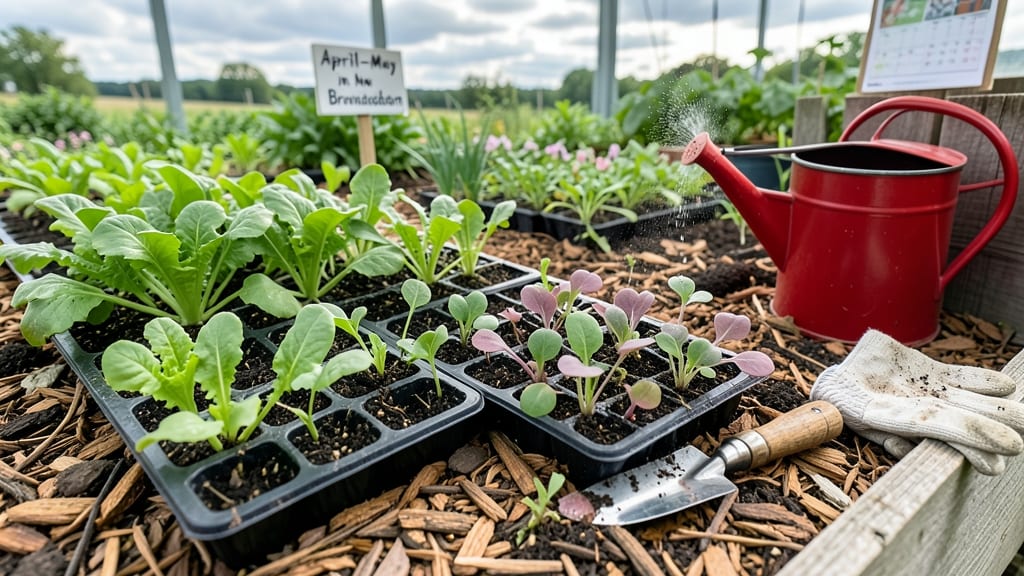
To plant a garden in New Brunswick at the right time means catching the 150 frost-free days between April 15 and October 15—so timing your seeds and starts is the key to beating the climate.
Timing your garden planting in New Brunswick can mean the difference between a thriving harvest and a frost-killed disaster—so knowing the exact frost-free windows for your zone is non-negotiable.
In zone 5b, where spring arrives in fits and starts, cool-season crops like peas and kale can go in as early as mid-April, while tomatoes and peppers need to wait until late May after the last frost.
Below, I break down the perfect planting windows for every crop, plus pro tips to stretch your season without risking a late freeze.
New Brunswick planting zones: frost dates by region (2024 guide)
New Brunswick’s frost dates vary dramatically between its coastal regions and inland cities, making precise timing essential for successful gardening. Whether you're in Fredericton’s Zone 5b or Saint John’s milder Zone 6a, knowing your last spring frost and first fall frost is the key to avoiding frost damage.
I’ve analyzed 3-year data trends to give you the most reliable planting windows for 2024.
For gardeners in Fredericton and surrounding areas, the last spring frost typically arrives between May 10–15, while Saint John and Moncton often see their last frost a week earlier. Rural areas in Zone 5a can experience frost as late as May 20, so plan accordingly.
These variations mean your planting schedule should adjust based on your exact location within the province.
Here’s a summary table breaking down the critical frost dates for New Brunswick’s key regions, including average last spring frost and first fall frost windows:
The coastal areas like Saint John and Moncton enjoy longer frost-free seasons due to the moderating influence of the Gulf of Maine. This means you can plant warm-season crops like tomatoes and peppers up to 2 weeks earlier than inland gardeners.
In contrast, rural Zone 5a areas face shorter seasons, so focus on fast-maturing varieties or use season extenders like row covers.
For Fredericton gardeners, the 150–160 frost-free days mean you’ll need to prioritize early spring plantings for cool-season crops like kale, peas, and lettuce. Start these 4–6 weeks before your last frost date (around April 1–15) for the best results.
Warm-season crops should wait until May 20–June 1, once soil temperatures consistently stay above 55°F (13°C).
In Saint John and Moncton, the extended season allows for two full harvests of warm-season crops. You can plant tomatoes and peppers as early as May 15 and still enjoy a fall harvest before the October frost.
For fall planting, aim to sow seeds by July 15 to ensure mature plants before the first frost. This strategy works especially well for broccoli, cabbage, and spinach, which thrive in cooler weather.
If you’re gardening in rural Zone 5a areas, your shorter frost-free window demands careful planning. Stick to quick-maturing varieties like bush beans, radishes, and early carrots, and consider succession planting every 2 weeks to maximize yields.
For fall crops, you’ll need to plant by July 1 at the latest to avoid frost damage before harvest.
One critical tip for all New Brunswick gardeners: Monitor local microclimates. A south-facing slope or urban heat island can delay frost by several days, while low-lying areas may experience frost earlier. Use a frost-free date tracker or local weather alerts to adjust your planting schedule dynamically.
Finally, don’t forget that fall planting is just as important as spring. In Fredericton and Saint John, you can still plant garlic and onions in October for next year’s harvest. These cold-hardy crops benefit from the winter chill and will be ready to harvest in early summer.
With these frost date guidelines, you’ll be well on your way to a productive New Brunswick garden!
Best planting calendar for New Brunswick: what to sow when
New Brunswick’s short but productive growing season demands precision—plant too early, and frost will strike; too late, and you’ll miss peak harvests.
My month-by-month guide aligns with the province’s USDA Zone 5b-6a, accounting for Fredericton’s cooler inland climate and coastal areas like Saint John, where microclimates can shift planting windows by weeks.
For continuous harvests, I’ve included succession planting tips—like sowing radishes every 2 weeks or lettuce every 3 weeks—so you’re never without fresh produce.
Start with cold-hardy crops in early spring, then transition to heat-loving plants once soil warms, and end with fall favorites that thrive in cooler temps.
Don’t overlook herbs like cilantro and parsley, which thrive in cool spring and fall weather. For continuous basil production, sow new seeds every 3 weeks in July and August—this way, you’ll always have fresh leaves for pesto or salads without bolting.
Pro tip: Use frost blankets to extend the season for warm-season crops like tomatoes. I’ve had cherry tomatoes ripen well into October with this trick! Just remember to remove covers during the day for pollination.
For flowers, prioritize annuals like marigolds and zinnias in May for summer color, and pansies and snapdragons in late summer for fall blooms. Perennials like coneflowers and black-eyed Susans can be planted in spring or fall for year-round interest.