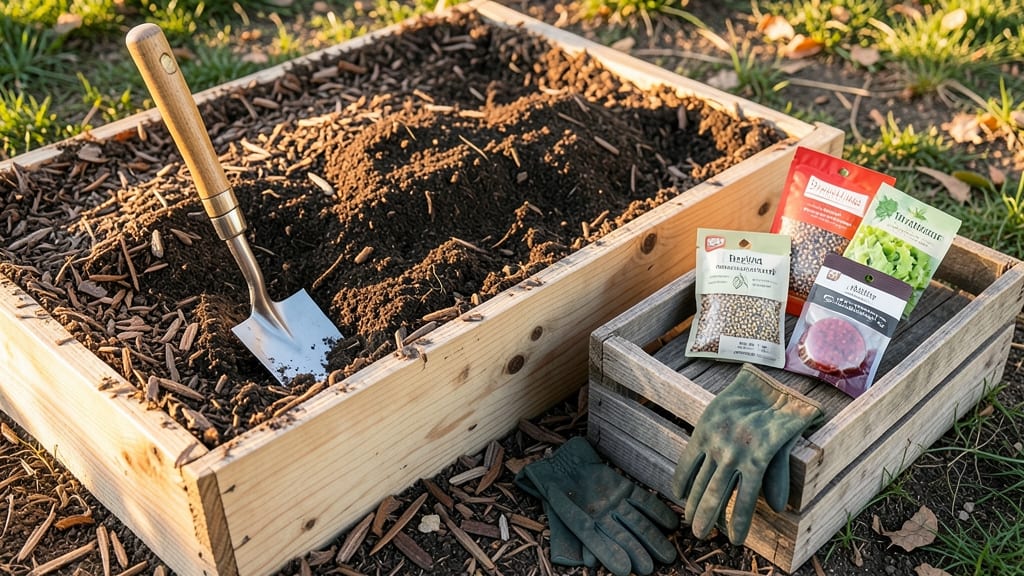
Planting a vegetable garden in New York at the right time means the difference between a bumper crop and a frost-killed disappointment.
New York’s unpredictable climate can turn gardening into a guessing game—but timing your vegetable planting just right means the difference between a thriving harvest and a frost-killed disappointment.
Whether you’re in the bustling streets of NYC or the rolling hills of Upstate, knowing when to start seeds indoors, set out transplants, and succession-plant for fall harvests is the key to success.
Below, I’ll break down the exact frost-free planting schedule for every major vegetable, tailored to New York’s USDA Zones 5-7, plus how to adjust for your specific microclimate.
🌱When to Plant Vegetable
Jan❄️
Feb❄️
Mar🌱
Apr🌱
May🌱
Jun🌱
Jul☀️
Aug☀️
Sep🍂
Oct🍂
Nov🍂
Dec❄️
Ideal Time
Also Good
New York’s frost-free planting timeline by vegetable type (with hardiness zones 5-7)
New York’s USDA Zones 5-7 create a gardening puzzle—where Upstate’s last frost can arrive weeks before NYC’s, and Long Island’s coastal breezes delay warming. Mastering these microclimate differences ensures your cool-season crops thrive before summer heat arrives.
Below, I’ve mapped out exact planting windows for 15 essential vegetables, color-coded by season and region.
First, know your average last frost dates: Upstate (Zone 5-6) typically sees frost by May 15, while NYC (Zone 7a) averages May 22, and Long Island (Zone 7b) often waits until May 28.
For warm-season crops, soil temps matter more—aim for 60°F+ consistently, which usually hits late May to early June across the state.
Pro Tip: Use heat-tolerant varieties (like ‘Heatmaster’ tomatoes or ‘Malaga’ cucumbers) if planting after June 15—they handle late starts better. Now, let’s dive into the month-by-month breakdown that’ll keep your garden on track.
Vegetable
Zone 5 (Upstate)
Zone 6 (NYC)
Zone 7 (Long Island)
Season
Notes
Lettuce
March 15–April 15
March 30–April 30
April 15–May 15
Cool
Bolt-resistant varieties for summer
Spinach
March 1–April 10
March 15–April 20
March 30–May 5
Cool
Fall planting: Aug 1–Sept 15
Tomatoes
May 1–May 15 (indoor start)
May 10–May 25
May 15–June 1
Warm
Use row covers for early starts
Peppers
May 15–June 1 (indoor)
May 20–June 10
May 25–June 15
Warm
Slow to germinate—soak seeds
Carrots
April 1–May 15
April 15–May 30
April 10–June 1
Cool
Sow every 2 weeks for succession
Green Beans
May 15–June 15
May 20–June 20
May 25–July 1
Warm
Plant after soil reaches 65°F
Broccoli
April 1–May 10
April 15–May 20
April 10–May 30
Cool
Fall crop: July 1–Aug 15
Cucumbers
May 15–June 1
May 20–June 10
May 25–June 15
Warm
Trellis for space-saving
Kale
How to adjust planting dates for NYC vs. Upstate New York (microclimate hacks)
New York’s diverse microclimates mean your Brooklyn garden and your Buffalo neighbor’s plot can experience 2-week differences in frost-free dates. Urban heat islands in NYC trap warmth, while Upstate’s cooler nights delay soil warming. Understanding these shifts lets you plant at the perfect moment for your location.
Your last frost dates vary dramatically: NYC averages April 15th, while Upstate (like Rochester) waits until May 1st. This means tomatoes might go in 2 weeks earlier in Buffalo than Brooklyn—but only if you use cold-hardy varieties or protective gear.
Factor
NYC (Zone 7)
Upstate (Zone 5-6)
Adjustment Hack
Last Frost Date
April 15
May 1
Use row covers in NYC for 2-week earlier planting
Soil Warmth
Warms 3°F faster than Upstate
Lags 10-14 days behind NYC
Plant warm-season crops in black plastic mulch to speed warming
Nighttime Temps
Urban heat island keeps nights 5°F warmer
Cooler nights delay tomato ripening
Use cold frames in Upstate for earlier tomatoes
Succession Planting
Plant lettuce every 2 weeks through June
Limit to April-May only
NYC: Shade cloth for late summer lettuce; Upstate: row covers for fall
Frost Risk
10% chance of frost after April 15
30% chance after May 1
Upstate: Hardy varieties like 'Stupice' tomatoes
For urban gardeners, leverage the heat island effect by planting warm-season crops like peppers and eggplants 1-2 weeks earlier than recommended dates. In Upstate gardens, focus on cold-hardy varieties and extend seasons with low tunnels—these can add 4-6 weeks to your growing window.
My #1 microclimate hack? Use succession planting in NYC’s longer season. While Upstate gardeners might only get one harvest of zucchini, I plant 3 successive batches in my Brooklyn raised beds—using shade cloth to protect late plantings from summer heat. This turns a single harvest into three!
Pro tip: Check your local Cooperative Extension office for hyper-local data. Their frost maps often show neighborhood-level variations—critical for NYC’s diverse boroughs. For Upstate, monitor soil temperatures with a $10 thermometer—wait until 55°F for tomatoes, even if calendar says "go."
Remember: Microclimates aren’t just about frost. Wind exposure, building shadows, and even paved surfaces (which radiate heat) create pockets where plants thrive weeks earlier than official guides suggest. Observe your garden’s unique patterns for 3 years to perfect your timing.