
Planting
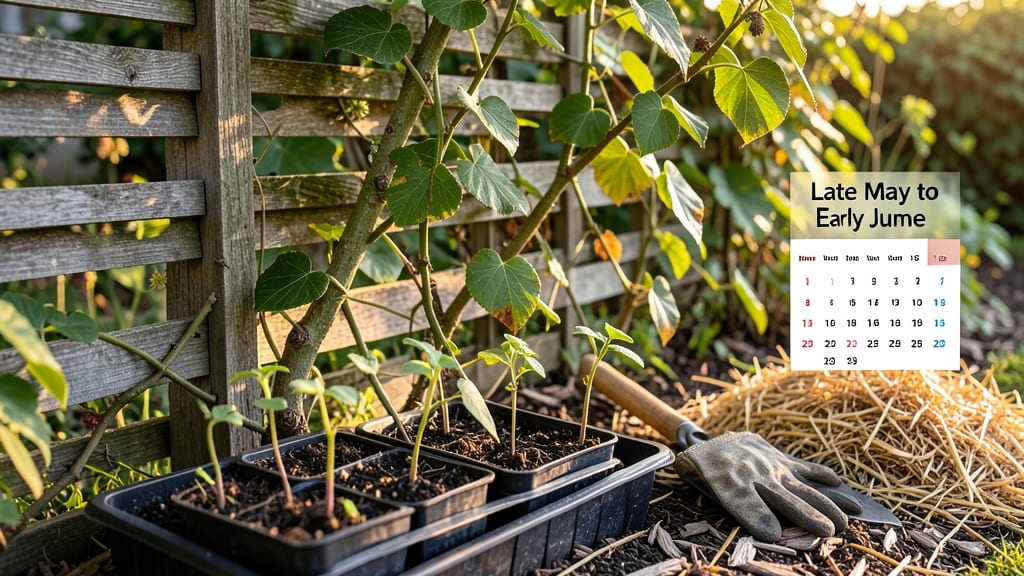
Planting a garden in North Dakota means timing is everything—get the schedule right, and you’ll harvest bountiful veggies; miss it, and you’re left with frost-nipped dreams.
With only about 120 frost-free days in Zone 3-4, North Dakota’s short growing season demands precision. Start too early, and a late frost will wipe out seedlings. Wait too long, and warm-season crops like tomatoes won’t mature before the first chill in September.
Here’s the key: Mid-April to mid-June is your sweet spot for most General Garden Vegetables (North Dakota) 🌱. But not all crops play by the same rules—cool-season greens like spinach can handle early starts, while peppers need warmer soil.
I’ll break down the exact windows for everything from peas to potatoes, plus how to stretch your harvest with row covers.
By the end, you’ll know not just when to plant, but how to protect your crops from wind, sandy soil, and the unpredictable weather shifts that define ND gardening. Let’s turn those 120 days into a garden goldmine.
North Dakota planting timeline by crop type: frost dates and hardiness zones
North Dakota’s Zone 3-4 climate means gardeners must work with a short 120-day growing season between the last frost (around May 10) and first frost (around September 20).
Timing is everything—cool-season crops like spinach and peas thrive when planted early, while tomatoes and peppers need warm soil to germinate. Understanding your local frost dates (Fargo, Bismarck, and Grand Forks vary slightly) ensures you maximize your harvest before winter sets in.
For Fargo (Zone 3b), the average last frost date is May 15, while Bismarck (Zone 4a) sees its last frost around May 10. Grand Forks, being slightly colder, typically waits until May 20.
These dates shift yearly, so always check the National Weather Service or local agricultural extension for updates. Soil temperature is just as critical—most seeds need soil at least 50°F to germinate, with warm-season crops requiring 60-70°F.
Cool-season crops like kale, spinach, and peas can be sown as early as late April under row covers or in cold frames. These hardy plants tolerate light frosts and even brief snow cover. Meanwhile, warm-season crops such as tomatoes, peppers, and beans must wait until soil warms to 60°F, usually late May to early June. Planting too early risks rotten seeds or stunted growth.
| Crop Type | Planting Window | Soil Temp Threshold | Frost Tolerance | Harvest Window |
|---|---|---|---|---|
| Cool-Season (Spinach, Peas, Kale) | Late April - Early June | 40-50°F | Tolerates light frost | June - August |
| Warm-Season (Tomatoes, Peppers, Beans) | Late May - Early June | 60-70°F | Sensitive to frost | July - September |
| Root Crops (Carrots, Radishes, Potatoes) | Early May - Mid-June | 45-55°F | Moderate frost tolerance | June - October |
| Fall Crops (Lettuce, Arugula, Beets) | Late July - Early August | 50-55°F | Tolerates light frost | September - October |
To extend your growing season, consider successive planting—sow radishes every 2 weeks from May to July for a continuous harvest.
For warm-season crops, use black plastic mulch to warm soil faster or start seeds indoors 6-8 weeks before the last frost. Row covers can also protect tender plants from unexpected late frosts, buying you extra time to harvest.
For Fargo gardeners, prioritize fast-maturing varieties like bush beans (50 days) or early tomatoes (60 days). In Bismarck, where soil warms slightly earlier, you can push the envelope with peppers (75 days) by planting them in early June.
Grand Forks gardeners should focus on cold-hardy crops like Swiss chard or potatoes, which store well for winter.
Always monitor soil moisture—North Dakota’s sandy soils dry out quickly. Drip irrigation or soaker hoses help maintain consistent moisture without wasting water. Mulch with straw or grass clippings to retain soil warmth and suppress weeds, which compete for nutrients.
These simple steps can double your yield in a short season.
If you’re new to gardening in North Dakota, start small with easy-to-grow crops like lettuce or bush
5 Cold-hardy crops that thrive in North Dakota’s short season
North Dakota’s Zone 3-4 climate may seem challenging, but with the right cold-hardy crops, you can enjoy a productive garden even with just 120 frost-free days.
These five varieties—broccoli, potatoes, radishes, Swiss chard, and bush beans—are proven winners in my ND garden, delivering reliable harvests despite the early frosts and late springs.
Each of these crops has unique advantages: broccoli and Swiss chard tolerate light frosts, while radishes mature in as little as 25 days, making them perfect for early spring or late summer sowings. Potatoes and bush beans thrive in ND’s cool summers and can be extended with simple protective measures like row covers or cold frames.
- 1
- 2
- 3
- 4
- 5
Plant late April to early June; tolerates 28°F temps. Harvest heads before they flower for best flavor.
Plant late April to early May when soil reaches 45°F. Use straw mulch to protect tubers from frost.
Sow early April or late July for fall harvest. Ready in just 25-30 days—great for quick greens!
Plant late April to early July. Cut-and-come-again leaves survive 20°F and regrow for months.
Direct sow mid-May to early June after soil warms to 60°F. Use row covers to extend harvest into August.
To extend your harvest beyond North Dakota’s first frost (September 20), I swear by floating row covers over broccoli and beans. These lightweight fabrics raise soil temperatures by 5-10°F and shield crops from windburn—a major issue in ND’s open fields.
For potatoes, a simple straw mulch insulates tubers and prevents early sprouting when spring arrives.
My Swiss chard is the MVP of my garden—it’s frost-tolerant and keeps producing until November if I protect it with a cold frame. Even when temperatures dip, the leaves stay tender and sweet.
Pair it with radishes, which I direct-sow every 2 weeks starting in April for a steady supply of peppery roots.
For bush beans, timing is critical. Plant them too early, and the cool soils will stunt germination. Too late, and they won’t mature before frost.
I’ve found that mid-May is the sweet spot in Fargo, but adjust 1-2 weeks later if you’re in western ND, where soils warm more slowly. Use a soil thermometer—beans need 60°F+ soil to thrive.
Pro tip: Succession planting is your best friend in ND. By staggering radish and bean sowings every 2 weeks, I’ve turned my garden into a continuous harvest machine from June through September. Even with 120 days of growing time, you can fill your pantry if you plan ahead!