
Planting
Planting a garden in Ohio at the right time means catching that narrow window between frost and summer heat—usually between mid-April and mid-May for most crops.
Ohio’s unpredictable spring weather can turn your gardening dreams into a guessing game—plant too early, and frost will strike; too late, and you’ll miss the growing season. Timing your garden correctly means the difference between a bountiful harvest and wasted seeds.
Cool-season crops like lettuce and peas thrive when soil temperatures hover around 40°F, while warm-season favorites such as tomatoes and peppers need soil to warm to at least 60°F before going in. Knowing these thresholds helps you avoid stunted growth or frost damage.
Below, I’ll break down Ohio’s frost-free timeline, soil temperature guidelines, and how to adjust planting times for your specific microclimate—so you can get the best results in your garden this year.
Ohio’s frost-free dates & soil temperature guidelines by plant type
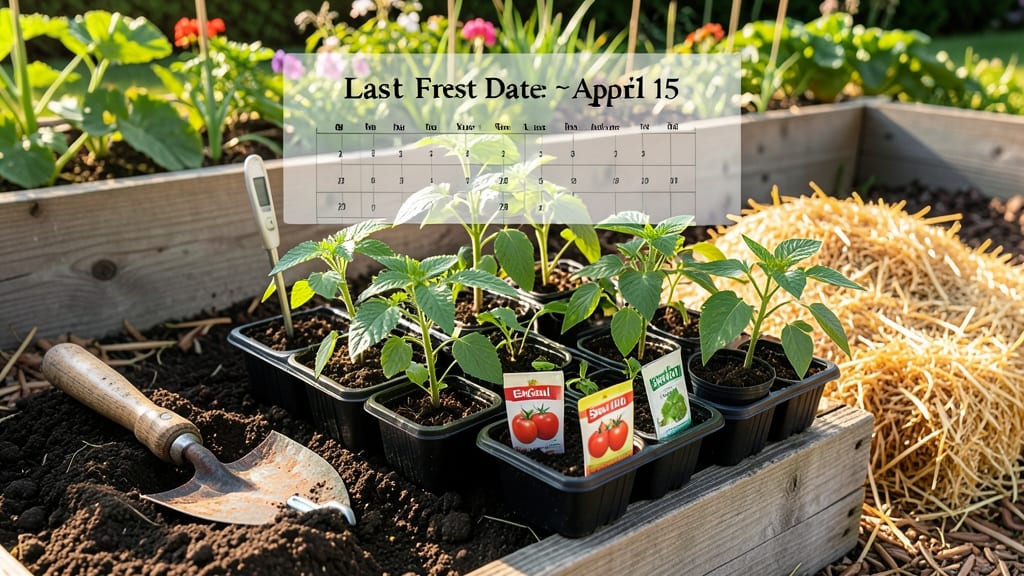
Ohio’s last average frost date typically falls around April 15 in most regions, though this can vary by USDA Zone 5-6. For gardeners, understanding these dates—and soil temperature guidelines—is critical to avoiding frost damage or stunted growth.
Cool-season crops like spinach and peas thrive in cooler soils, while tomatoes and peppers need warmer conditions to germinate successfully.
Soil temperature plays a pivotal role in germination and growth. Most cool-season crops germinate best in soils between 40°F and 50°F, while warm-season crops require soils above 60°F.
Tender plants like basil and cucumbers are particularly sensitive to frost and need to be planted only after the last frost date has passed and soil temperatures stabilize.
Below is a detailed planting timeline tailored to Ohio’s climate, including frost-free dates and soil temperature requirements for optimal growth. Use this as your guide to align your planting schedule with nature’s rhythm.
For cool-season crops, start seeds indoors 4-6 weeks before your last frost date to give them a head start.
If you’re planting directly in the garden, aim for 40°F soil temperatures or higher. Spinach, for example, can tolerate light frosts but will bolt if temperatures rise too quickly. Peas, on the other hand, germinate best in cooler soils and can even be planted in early spring as soon as the ground is workable.
When transitioning to warm-season crops, wait until the soil temperature consistently reaches 60°F or higher.
This typically aligns with late April to early May in Ohio. Tomatoes and peppers are particularly sensitive to cold soils, so using black plastic mulch or row covers can help warm the soil faster.
If you’re in a cooler microclimate, consider using a heat mat or starting seeds indoors for a jumpstart.
Tender plants like basil and cucumbers are frost-sensitive and should never be planted before the last frost date. Even a light frost can kill these plants, so wait until soil temperatures are consistently above 65°F.
If you’re eager to plant early, use row covers or a cold frame to protect young seedlings from unexpected late frosts.
Ohio’s first frost date usually arrives around October 15, but this can shift based on weather patterns. For a fall garden, plant cool-season crops like kale or carrots 8-10 weeks before the first frost to ensure they mature before winter sets in.
These crops can often handle light frosts, adding sweetness to their flavor.
To track soil temperatures accurately, invest in a soil thermometer or use a seedling heat mat for warm-season crops. Local weather stations and USDA Plant Hardiness Zone maps are also invaluable tools.
By aligning your planting schedule with Ohio’s frost-free dates and soil temperature guidelines, you’ll maximize your garden’s potential and enjoy a bountiful harvest all season long.
How to adjust planting times for Ohio’s microclimates & unpredictable weather
Ohio’s microclimates can vary dramatically—even within a few miles—due to elevation, water bodies, and urban heat islands. What works for a southern Ohio garden near the Ohio River may fail in the cool valleys of Appalachia or the warmer urban areas of Columbus.
To succeed, I adjust my planting timeline based on three key factors: local frost dates, soil warmth, and weather patterns from the past 3-5 years.
Start by checking the USDA Plant Hardiness Zone Map—Ohio spans Zone 5b to 6b—but don’t stop there. I cross-reference this with local weather station data (like from the Ohio State University Extension) to find the average last frost date for my specific area.
For example, Toledo typically sees its last frost around April 15, while Athens might wait until May 1. These dates become my baseline for planting.
🌱
- 1 Use row covers to extend your spring planting window by 2-3 weeks. Lightweight fabric (like frost cloth) protects cool-season crops like lettuce and spinach from late frosts while allowing sunlight and water through.
- 2 Cold frames are a game-changer for early spring starts. Place them over seedlings or tender plants to trap heat—soil temps can rise 10-15°F warmer than outside. I’ve successfully transplanted tomato seedlings in late April using this method.
- 3 Heat mats warm soil faster than sunlight alone. Lay them down 1-2 weeks before planting warm-season crops like peppers or eggplants. This can shave 7-10 days off your waiting time for soil to reach 60°F+.
- 4 Track local weather using apps like Old Farmer’s Almanac or Weather Underground. Note patterns like “false springs”—warm spells followed by frost—which can trick you into planting too early. I keep a gardening journal to log these events.
- 5 Adjust for elevation: Gardens in higher elevations (like southeastern Ohio) stay cooler longer. Add 10-14 days to your planting timeline compared to lowland areas. Use a soil thermometer to confirm warmth before planting.
For warm-season crops, I wait until 2-3 weeks after the average last frost date—even if the soil feels warm. For example, tomatoes and peppers need soil temps of at least 60°F to thrive.
I test this with a soil thermometer in the morning (soil is coolest then) to avoid false readings. If temps dip below 55°F, I delay planting or use black plastic mulch to warm the soil faster.
Ohio’s unpredictable summer weather also demands flexibility. If a heatwave hits, I prioritize shade-loving crops like bush beans or leafy greens over heat-sensitive plants like cucumbers. I’ve learned to plant succession crops every 2 weeks from May through July to ensure a steady harvest, regardless of weather swings.
Finally, don’t overlook fall planting. Ohio’s first frost typically arrives around October 15, but cool-season crops like kale, spinach, and radishes can handle light frosts.
I plant these 6-8 weeks before the first frost for a late-season harvest. Use row covers to push this window even later if needed.
☀️