
Planting
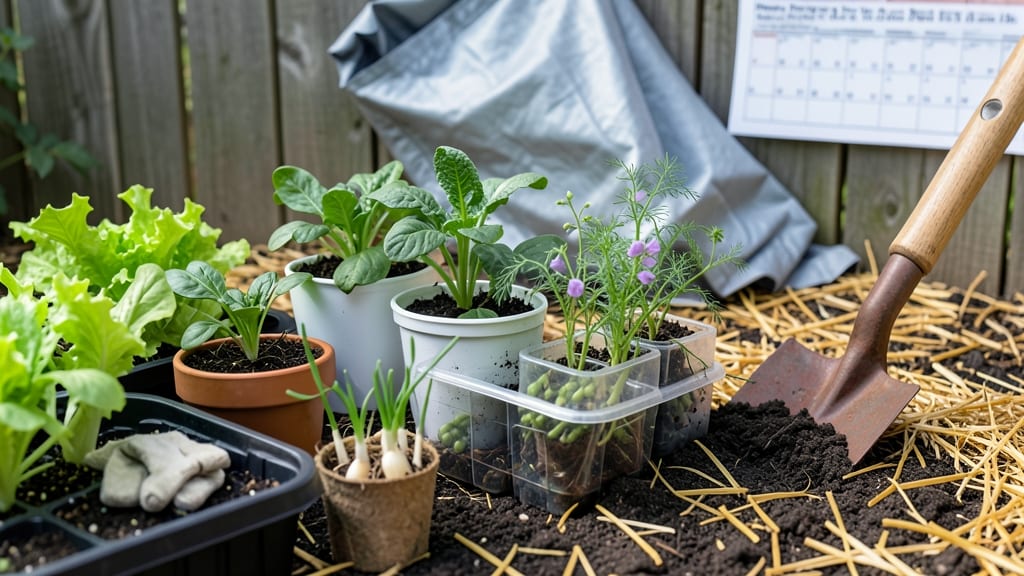
Planting a garden in Ohio at the right time means the difference between a bountiful harvest and a sad pile of frost-bitten seedlings.
Ohio’s unpredictable spring weather can leave gardeners guessing—plant too early, and frost ruins your hard work; too late, and you miss peak harvests. But timing isn’t just about dates—it’s about Ohio’s unique microclimates and plant hardiness zones.
In zones 6a-6b, most gardeners start seeds indoors by mid-March for cool-season crops like lettuce and peas, while warm-season favorites like tomatoes and peppers wait until after the last frost, usually mid-April.
Below, I’ll break down the exact planting windows for Ohio’s most popular 🌱 General Garden Plants, plus how to adjust for your specific region—whether you’re in northern Ohio’s cooler climate or southern Ohio’s slightly warmer springs.
Ohio planting zones: when to start seeds indoors vs. direct sowing
Ohio spans USDA zones 5b through 6a, creating distinct planting windows across the state. In northern Ohio (zone 5b), the last spring frost typically arrives April 15–May 1, while southern Ohio (zone 6a) sees frost-free conditions 2–3 weeks earlier.
These differences mean your seed-starting dates and direct-sowing windows should adjust based on your exact location.
For indoor seed starting, most vegetables need 6–8 weeks before transplanting outside.
That means late February to early March for northern Ohio and early March to mid-March for southern regions. Tomatoes, peppers, and eggplants are classic candidates for early starts, while leafy greens and root vegetables often thrive with direct sowing.
Here’s how to match your planting method to Ohio’s climate—whether you’re germinating seeds indoors or sowing directly outside—for the fastest, healthiest growth:
| Plant Type | Indoor Start (Zone 5b/6a) | Direct Sow (Zone 5b) | Direct Sow (Zone 6a) | Notes |
|---|---|---|---|---|
| Tomatoes | Late Feb–Early Mar (6–8 wks) | After May 15 (soil 60°F+) | After April 20 (soil 60°F+) | Use row covers for early starts |
| Peppers | Late Feb–Early Mar (8–10 wks) | After May 1 (soil 70°F+) | After April 15 (soil 70°F+) | Slow to germinate; keep warm |
| Lettuce | N/A (direct sow) | Early Mar–Apr (cool weather) | Early Feb–Apr (cool weather) | Successive plantings every 2 wks |
| Carrots | N/A (direct sow) | Early Apr–May (soil 50°F+) | Early Mar–Apr (soil 50°F+) | Loosen soil to prevent forking |
| Green Beans | N/A (direct sow) | After May 15 (soil 60°F+) | After April 20 (soil 60°F+) | Plant in warm soil only |
| Spinach | N/A (direct sow) | Early Mar–Apr (cool weather) | Early Feb–Mar (cool weather) | Bolts in heat; plant early/late |
| Cucumbers | Late Mar–Early Apr (4–5 wks) | After May 15 (soil 65°F+) | After April 20 (soil 65°F+) | Trellis for better air flow |
| Radishes | N/A (direct sow) | Early Mar–Apr (cool weather) | Early Feb–Mar (cool weather) | Fast-growing; harvest in 3–4 wks |
| Basil | Late Mar–Early Apr (6 wks) | After May 1 (soil 60°F+) | After April 15 (soil 60°F+) | Frost-sensitive; start late |
| Onions | Late Feb–Early Mar (10–12 wks) | Early Apr (soil 40°F+) | Early Mar (soil 40°F+) | Sets can be planted later |
| Squash | Late Mar–Early Apr (3–4 wks) | After May 15 (soil 70°F+) | After April 20 (soil 70°F+) | Large seeds; plant deeply |
| Kale | N/A (direct sow) | Early Mar–Apr (cool weather) | Early Feb–Mar (cool weather) | Cold-hardy; harvest until frost |
For northern Ohio gardeners, prioritize indoor seed starting for warm-season crops like tomatoes and peppers to maximize your short growing season. In southern Ohio, you gain flexibility—direct-sowing leafy greens and root vegetables as early as February is often safe.
Always monitor soil temperatures (use a soil thermometer) and adjust dates if spring arrives late.
Pro tip: Use row covers or cold frames to extend your direct-sowing window by 2–3 weeks in early spring. This lets you plant spinach, lettuce, and peas sooner without frost damage.
For tomatoes and peppers, I recommend starting seeds indoors by late February—even if your last frost isn’t until May—to give them a head start.
Ohio’s first fall frost
Best month-by-month planting calendar for Ohio gardens
Ohio’s gardening season is short but sweet—just 165 frost-free days on average—so every week counts. Northern Ohio’s zone 5b gardeners have a shorter window than southern Ohio’s zone 6b, which means timing your cool-season crops and warm-season transplants precisely is key to avoiding frost damage or missed harvests.
I’ve designed this calendar with Ohio’s two distinct regions in mind, including succession planting tips to stretch your harvests. Whether you’re growing spinach in early spring or squash in midsummer, these deadlines will help you maximize your garden’s potential without guessing.
📅 Ohio Planting Timeline by Region
- March (Northern OH): Start cool-season seeds indoors (lettuce, peas, spinach) and plant hardy greens outdoors (kale, radishes) once soil reaches 40°F.
- April (Southern OH): Transplant broccoli and cauliflower seedlings 4-6 weeks before last frost; direct sow carrots and beets after soil warms to 50°F.
- May (Both Regions): Plant warm-season crops like tomatoes and peppers 2 weeks after last frost; succession-sow beans every 2 weeks for continuous harvests.
- June-July: Direct sow squash, cucumbers, and corn; transplant herbs (basil, cilantro) after soil hits 60°F.
- August (Northern OH): Start fall greens (spinach, arugula) indoors for September transplanting; harvest cool-season crops before first frost.
- September (Southern OH): Plant garlic for next year’s harvest; direct sow turnips and radishes for late fall harvests.
For northern Ohio, aim to have tomatoes and peppers in the ground by May 15—any later risks stunted growth before frost. Meanwhile, southern Ohio gardeners can push these dates back to May 1 and even enjoy a second planting of beans in early July.
Pro tip: Use row covers to extend your cool-season planting by 2-3 weeks in spring or black plastic mulch to warm soil faster for warm-season crops. These tricks help you squeeze every possible day out of Ohio’s short growing season.
Don’t forget succession planting—this is how you turn a one-time harvest into a steady supply. For example, sow lettuce every 2 weeks from April through July, and you’ll enjoy fresh greens all summer long without gaps.
Mark your calendar now: The last frost date in most of Ohio falls between April 15 (south) and May 1 (north). Use this as your anchor for all warm-season planting decisions—plant too early, and frost will kill your seedlings; too late, and you’ll miss peak flavor and yield.