
Planting
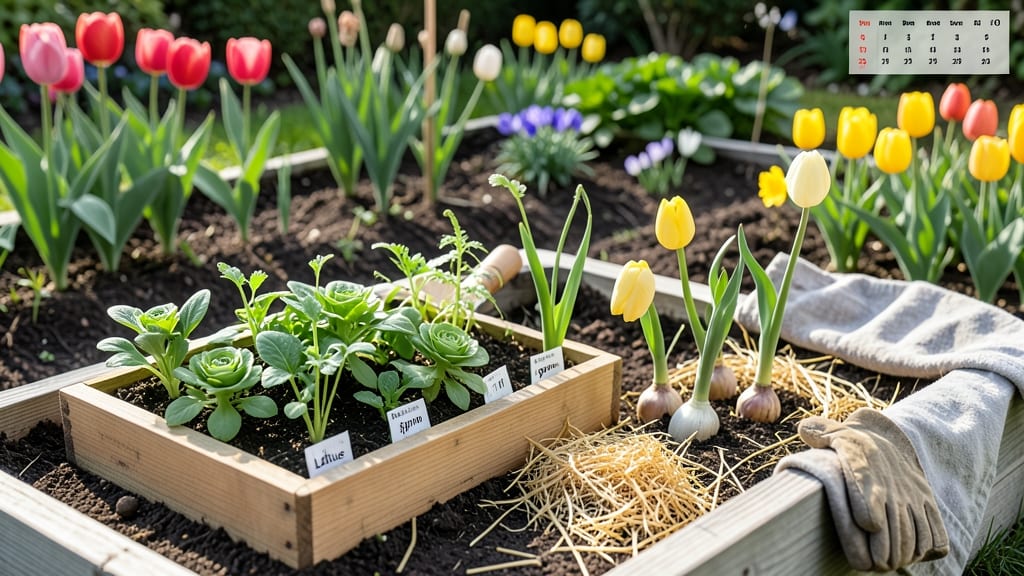
To plant a garden in Pennsylvania at the right time means knowing your USDA zone—because a late frost in the Appalachians can wipe out seedlings while Pittsburgh’s urban heat might let you start weeks earlier.
Pennsylvania’s diverse climate—from the humid Appalachians to the rolling farmlands—means your garden’s success hinges on planting at the perfect time. Get it wrong, and your seedlings could freeze; time it right, and you’ll harvest like a local pro.
Most of the state falls in zones 4b–7a, but even a few miles can shift your frost dates by weeks.
Cool-season crops like peas and lettuce can go in as early as March in Zone 7, while Zone 4 gardeners should wait until after May 15 to avoid frost damage.
Below, I’ll break down the exact frost-free windows for your zone, when to start seeds indoors (yes, it’s different for tomatoes vs. broccoli), and how to stretch your growing season without a greenhouse.
Pennsylvania’s frost-free dates by USDA Zone (2024 guide)
Pennsylvania spans USDA Zones 3a through 7a, meaning frost dates vary dramatically from the Poconos Mountains (Zone 3a) to the southern suburbs of Pittsburgh (Zone 7a). Knowing your exact frost-free window determines whether your tomatoes thrive or your basil bolts.
Let’s break down the critical dates for each zone—because a late-May freeze can turn your garden dreams into a sad pile of frostbitten seedlings.
The last spring frost (when it’s safe to plant warm-season crops like peppers) and the first fall frost (when to harvest cool-season greens) are the bookends of your PA gardening calendar.
In Zone 3a, you might have just 120 frost-free days, while Zone 7a enjoys nearly 200 days. That’s the difference between growing one tomato crop or two!
Below is your 2024 PA frost-date cheat sheet, tailored to each zone. Use it to plan direct sowing, seedling transplants, and succession planting like a pro. Pro tip: Add 2–4 weeks to these dates if you’re using row covers or cold frames to extend your season.