
Planting
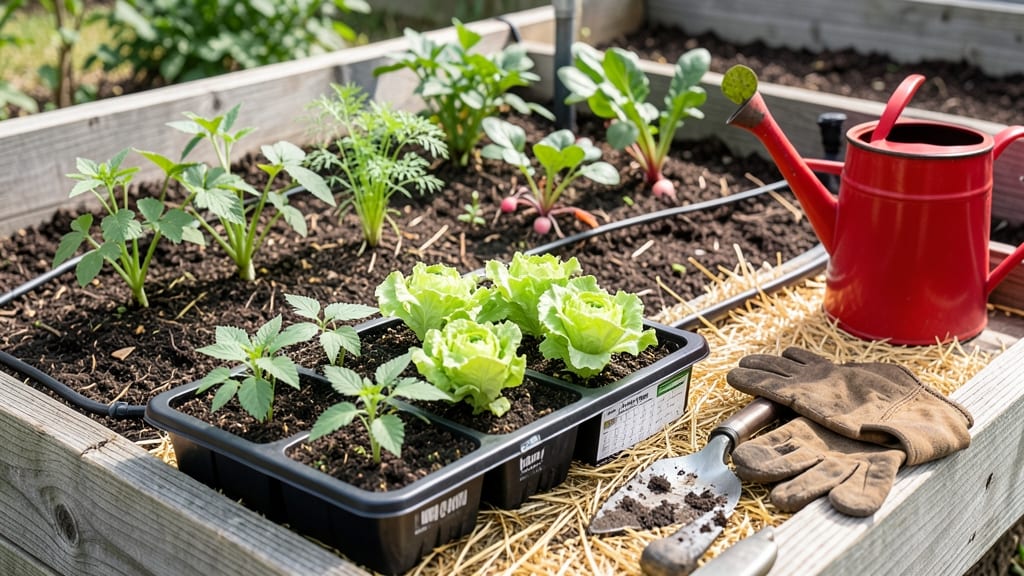
Planting a garden in Washington, DC, means timing your 🌱 crops to avoid the city’s notorious late frosts and sweltering summers.
Washington DC’s unique climate—with its hot summers, unpredictable springs, and occasional late frosts—can make timing your garden planting a real challenge. Get the dates wrong, and your seedlings could freeze or bolt too early.
But in Zone 7b-8a, you’ve got a narrow window to work with: March through May for spring crops and August through September for fall planting. Miss these deadlines, and you’ll end up with stunted plants or wasted effort.
Here’s exactly when to plant everything from broccoli to basil—plus how to adjust for DC’s microclimates and avoid the top mistakes that trip up local gardeners.
Washington DC planting calendar by season: exact dates for Zone 7b success
Washington DC’s Zone 7b climate offers a 180-210 frost-free growing season, but late spring frosts and hot summer humidity demand precision. Urban areas like Dupont Circle often experience 2-3°F cooler nights than rural areas like Prince George's County, so adjust timing accordingly.
The average last frost date is April 15, but rural areas may see frost as late as May 1.
For cool-season crops like broccoli and spinach, start seeds indoors by March 1 and transplant after April 15. Warm-season crops such as tomatoes and peppers should only go in after May 10, when soil temperatures reach 60°F+.
Fall planting for kale and carrots begins August 15 to harvest before November 15.
📅 Key Dates for Washington DC Gardeners
| Season | Plant Type | Start Indoors | Transplant Outdoors | Harvest Window |
|---|---|---|---|---|
| Spring | Cool-Season Veggies (Lettuce, Spinach, Peas) | Feb 15 - Mar 1 | Apr 15 - May 1 | May - June |
| Spring | Warm-Season Veggies (Tomatoes, Peppers, Basil) | Mar 15 - Apr 1 | May 10 - May 30 | July - October |
| Summer | Succession Planting (Beans, Zucchini, Cucumbers) | Apr 15 - Jun 1 | May 1 - Jun 15 | June - September |
| Fall | Cool-Season Veggies (Broccoli, Carrots, Kale) | Jul 15 - Aug 1 | Aug 15 - Sep 1 | September - November |
| Fall | Flowers (Marigolds, Pansies, Snapdragons) | Aug 1 - Sep 1 | Aug 15 - Sep 15 | September - Frost |
In urban DC, microclimates near water bodies (like the Anacostia River) can delay last frost dates by 1-2 weeks. Use row covers for cool-season crops if planting before April 15.
For warm-season crops, wait until soil temperatures consistently reach 65°F—typically late May in urban areas.
Start basil and tomatoes indoors by March 15 for early harvests.
Transplant them after May 10 when nights stay above 50°F. Peppers, which need 70°F+ soil, should wait until May 20 or use heat mats for earlier starts. Zucchini and cucumbers thrive when planted after May 1 and produce heavily until September.
Fall planting is critical for winter harvests. Sow spinach and radishes by August 15 for September-October harvests. Broccoli and carrots planted by September 1 will survive light frosts and yield until November. Use straw mulch to protect roots from early November frosts.
For herbs like cilantro, which bolts in heat, plant in early spring (March) or late summer (August). Dill and parsley are biennials—sow them in spring or fall for year-round harvests. Rosemary and thyme, drought-tolerant perennials, can be planted anytime after frost and thrive in DC’s hot summers.
Monitor NOAA frost alerts and adjust planting 2 weeks earlier in rural areas (like Fairfax County) where frosts arrive 10-14 days later than downtown. Urban heat islands may allow earlier warm-season planting—test soil temps with a thermometer before committing to May 1 deadlines.
Extend your season with cold frames or low tunnels to plant spinach and kale as early as February 15 or as late as October 1. Heat-loving crops like okra and sweet potatoes
How to adjust planting times for Washington DC’s microclimates and frost risks
Washington DC’s urban heat islands and suburban valleys create wildly different microclimates—sometimes just blocks apart. In my Arlington backyard, tomatoes thrive weeks earlier than my inner-city neighbor’s containers. These variations mean you can’t rely on a single last frost date for the whole region.
DC’s Zone 7b-8a climate adds another layer of complexity. While the average last frost falls around April 15th, urban areas like Anacostia can experience frost as late as May 1st, while suburban areas like Bethesda often see frost-free conditions by April 1st.
Understanding these patterns is key to avoiding frost damage or wasted seedling efforts.
⚠️ callout-warning ⚠️
Low-lying areas like Rock Creek Park and Anacostia River valleys hold cold air longer. Plant heat-loving crops like peppers and eggplants 2-3 weeks later than higher elevations. Check NOAA’s DC frost alerts weekly during spring transitions.
💡 Pro Tip: Use row covers for 2-3 weeks after transplanting to protect seedlings from unexpected 32°F drops.
For urban gardeners, container gardening offers flexibility. My balcony basil starts indoors by March 1st and moves outside by May 10th—using heat mats to extend the season. Meanwhile, suburban gardeners can plant direct-sown crops like beans and cucumbers as early as April 20th in protected beds.
When interpreting NOAA frost forecasts, focus on the 7-day outlook, not just the average dates. I’ve seen late-April frosts push back my tomato transplanting by 10 days in 2022. Always harden off seedlings for 7-10 days before exposure—gradually reducing shelter from 50% shade to full sun.
Heat-tolerant varieties like ‘Heatmaster’ tomatoes and ‘Malagueta’ peppers let you plant 2 weeks earlier than standard varieties. Pair these with drip irrigation to maintain 60-70°F soil temps, which is critical for germination success in DC’s unpredictable springs.
Cold frames and mini greenhouses extend fall harvests until November 1st. I’ve kept kale and spinach producing through two light frosts using clear plastic domes. For urban spaces, fabric row covers (like Agribon) add 4-6°F protection without blocking light—perfect for late-summer squash.