
Planting
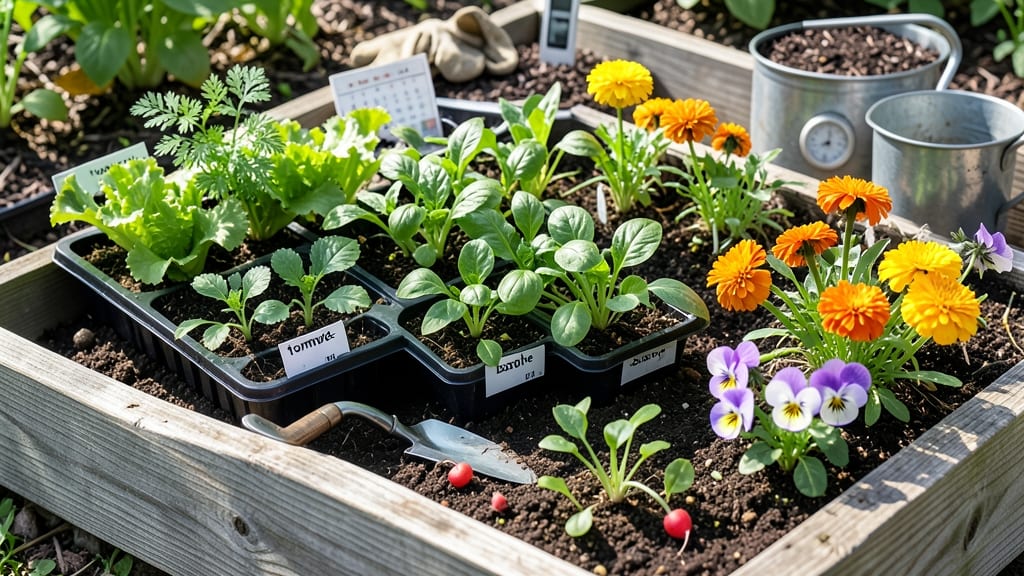
To plant a garden in your zone at the perfect time means the difference between a bountiful harvest and a season of disappointment.
Timing your garden planting by your hardiness zone and plant type can mean the difference between a thriving harvest and wasted effort—here’s the exact science behind when to plant for maximum success.
Whether you’re in the chilly 6a zone or a warmer region, knowing when to tuck seeds into the soil ensures your 🌱 garden thrives.
From cool-season greens to heat-loving tomatoes, we’ll break down the best months, frost-free dates, and how to adapt for container gardening—so you can start planting with confidence.
How to determine your planting Zone and exact dates for peak growth
Getting your garden timing right starts with understanding your USDA hardiness zone and last frost dates. These two factors determine when you can safely plant cool-season crops without risking frost damage or warm-season plants before the soil warms enough.
For example, Zone 6a (like many mid-Atlantic states) has an average last frost around April 15, while Zone 9a in Southern California might see frost-free winters entirely. Knowing your zone helps you match plants to your climate's natural rhythms.
But hardiness zones alone aren't enough—you also need to track local frost-free dates and soil temperatures. While the USDA provides a broad guideline, your exact planting window depends on whether your spring arrives early or late.
For instance, in Zone 5b, you might plant peas in early April, but tomatoes need to wait until mid-May when soil reaches 60°F or higher. Using a soil thermometer is the best way to confirm readiness for warm-season crops.
For cool-season crops like lettuce or spinach, timing is about avoiding frost after germination. In Zone 7b, you can plant these as early as late February under row covers, but direct sowing should wait until March.
Warm-season crops like tomatoes or peppers need the opposite: they must be planted after the last frost when soil temperatures are consistently above 55°F. In Zone 8a, that might mean waiting until early April, while in Zone 4a, you could delay until late May.
Here’s how to find your exact planting dates:
- Check your USDA hardiness zone using the official USDA map.
- Look up your average last frost date (local weather stations or The Old Farmer’s Almanac are great resources).
- Add 2-4 weeks to your last frost date for cool-season crops (they tolerate light frosts).
- Wait until soil is 60°F+ for warm-season crops (use a soil thermometer for accuracy).
- Adjust for microclimates—south-facing beds warm faster, while low spots stay cooler.
Pro tip: Use a planting calendar tailored to your zone to avoid guesswork. For example, in Zone 6a, you can plant broccoli in early April but wait until late May for cucumbers.
Meanwhile, in Zone 9a, you might plant warm-season crops like eggplants as early as February under protective cover. Always check seed packets for specific recommendations—they often include zone ranges and days to maturity.
Don’t forget about succession planting to maximize your harvest. For instance, in Zone 5b, you can plant lettuce every 2 weeks from April through August to enjoy fresh greens all season. Similarly, bush beans can be sown every 3 weeks from May until July.
This technique ensures a continuous supply of produce and reduces waste. Just be sure to space your plantings according to each crop’s days to maturity.
Planting your garden at the right time ensures your leafy greens thrive in cool weather while tomatoes and peppers bask in summer heat. The key is understanding whether your crop prefers cool-season planting or warm-season planting, then aligning it with your local frost dates. For example, spinach and kale can handle light frosts, while tomatoes and squash need warm soil and air temperatures. Even within a zone, timing varies—early spring plantings work for hardy greens, but late spring is better for heat lovers. Let’s break down the best months for each type. Plant 4-6 weeks before last frost (e.g., March in Zone 6a) for spring harvests. For fall, sow 6-8 weeks before first frost (e.g., August-September). Sow 2-3 weeks before last frost (e.g., late February-March) for early spring harvests. For fall, plant 4-6 weeks before first frost (e.g., July-August). Wait until soil reaches 60°F+ and after last frost (e.g., mid-May in Zone 6a). Start seeds indoors 6-8 weeks before transplanting. Plant after last frost (e.g., late May-June) when soil is warm. For fall harvests, sow 60-70 days before first frost (e.g., late July-August). Basil thrives in warm weather—plant after last frost (e.g., May-June). Cilantro prefers cool weather—sow early spring or fall. Adjust these timelines based on your USDA zone. In colder zones (e.g., Zone 4-5), start seeds indoors earlier or use row covers to extend the season. For warmer zones (e.g., Zone 8+), you might plant tomatoes in early spring and again in fall. Pro tip: Use succession planting for greens like lettuce—sow new seeds every 2-3 weeks for continuous harvests. This works especially well in containers or raised beds, where you can control soil temperature. Remember, soil temperature matters as much as air temperature. Use a soil thermometer to confirm it’s 50°F+ for cool crops and 60°F+ for warm crops before planting. This small step can prevent stunted growth or failed germination. With this schedule, you’ll avoid the common mistake of planting tomatoes too early or lettuce too late. Instead, you’ll align your garden with nature’s rhythm—leading to a harvest that’s abundant, flavorful, and stress-free. Happy planting! 🌱Best planting schedule by vegetable type: from cool-weather greens to heat-loving tomatoes
Cool-Weather Greens (Spinach, Lettuce, Kale)
Root Crops (Carrots, Beets, Radishes)
Heat-Loving Tomatoes & Peppers
Squash & Cucumbers
Herbs (Basil, Cilantro, Parsley)