
Planting
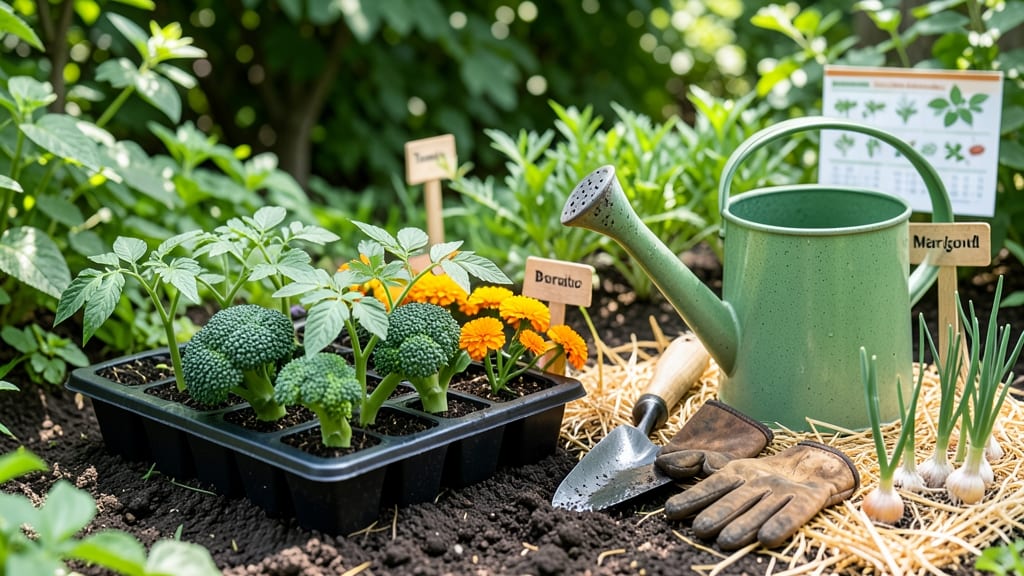
Planting your garden in Pennsylvania at the right time means the difference between a bountiful harvest and wasted seeds 🌱 — and those exact dates depend on whether you're in the mountains or the valleys.
Pennsylvania’s diverse climate—from the cool mountains to the humid valleys—means planting your garden at the wrong time can mean wasted seeds and stunted growth. But get these exact dates right, and you’ll enjoy a thriving harvest all season long.
Whether you're growing tomatoes in Zone 6 or lettuce in Zone 7, timing is everything. The key is knowing your last frost date, which can vary by two weeks or more depending on where you live in the state.
In this guide, I’ll break down the best planting windows for vegetables, flowers, and perennials—plus pro tips to extend your growing season without risking frost damage.
Pennsylvania planting zones: exact dates by last frost & microclimate
Pennsylvania spans USDA Hardiness Zones 5-7, creating dramatic differences in planting timing across just a few hours' drive. In the Poconos Mountains (Zone 5), frost lingers until May 15th, while Philadelphia (Zone 7) sees last frosts by April 15th.
These shifts mean your tomato seedlings might thrive in Pittsburgh but freeze in Scranton if planted too early.
Even within one county, microclimates like urban heat islands or river valleys can shift frost dates by 1-2 weeks. A south-facing slope warms faster than a shaded backyard, and elevation gains of 1,000 feet can delay spring planting by 10-14 days.
Understanding these nuances helps you avoid wasted seed packets and stunted transplants.
Below is your Pennsylvania planting timeline by zone, including average last frost dates and microclimate adjustments. Bookmark this—it’s your roadmap to a bountiful harvest.
| Zone | Last Spring Frost | First Fall Frost | Spring Planting Window | Fall Planting Window |
|---|---|---|---|---|
| Zone 5 (Poconos, NE PA) | May 15th | October 1st | After May 22nd (wait 2 weeks) | Before August 15th |
| Zone 6 (Central PA) | April 25th | October 15th | After May 1st (wait 1 week) | Before August 30th |
| Zone 7 (SW PA, Philly) | April 15th | November 1st | After April 22nd (wait 1 week) | Before September 15th |
Microclimate Adjustments: Add 7-14 days to frost dates in valleys or shaded areas. Subtract 7-10 days in urban heat zones or south-facing slopes.
For Zone 5 growers, this means cool-season crops like kale and peas can go in as early as April 1st, but tomatoes and peppers must wait until May 22nd—or risk frost damage.
In Zone 7, you can start warm-season seeds indoors by March 1st for an earlier transplant.
Don’t rely solely on calendar dates—soil temperature matters more than air temperature. Use a soil thermometer to confirm 50°F for peas or 60°F for tomatoes.
In Pittsburgh (Zone 6), I’ve seen April 15th bring 60°F soil in sunny spots, while shaded areas stay 45°F until May 1st.
Urban gardeners in Philadelphia often plant 2 weeks earlier than rural areas due to the urban heat island effect. If your neighborhood has concrete and pavement, soil warms 3-5°F faster than in wooded suburbs.
Test your spot: Place a black plastic bag on the soil for 24 hours—if it reaches 60°F by noon, you’re in a heat zone.
Elevation plays a huge role in western PA. In Erie (Zone 6), lake-effect snow can delay planting until May 10th, while State College (Zone 6a) sees last frosts by April 20th.
If you’re gardening above 2,000 feet, like in the Allegheny Mountains, shift all dates 2 weeks later.
Fall planting follows the reverse logic. In Zone 5, broccoli and carrots can handle light frosts, so sow by August 1st for harvests before October 1st. But in Zone 7, you can push spinach until September 15th—just cover with row
Best planting schedule for Pennsylvania’s top 10 vegetables (from cool to warm seasons)
Pennsylvania’s top 10 vegetables thrive on precise timing, but the difference between northern Zone 5 and southern Zone 7 can mean a 2-3 week shift in planting dates. Cool-season crops like lettuce and peas love early springs, while tomatoes and peppers need warm soil—so knowing your microclimate matters!
For northern PA (Zones 5-6), aim for late April to mid-May for warm-season crops, while southern PA (Zone 7) can start 2-3 weeks earlier. Always check soil temps—60°F+ for warm-season plants—and use row covers to protect tender seedlings from late frosts.
Sow seeds 4-6 weeks before last frost (March-April). Transplant seedlings 2-3 weeks before last frost.
Start indoor seedlings 6-8 weeks before last frost (February-March). Transplant after soil reaches 60°F+ (May-June).
Plant after last frost when soil is 70°F+ (May-June). Beans tolerate cooler soil than corn.
Plant sets in fall (October) or seeds in early spring (March). Northern PA: earlier than southern PA.
Sow 2-3 weeks before last frost (March-April) for spring harvest. Succession plant every 2 weeks for continuous harvest.
Transplant after last frost when soil is 70°F+ (May-June). Use black plastic mulch to warm soil faster.
Transplant 4-6 weeks before last frost (March-April) or late summer for fall harvest (August-September).
Sow cilantro in spring/fall (March & September). Plant basil after last frost (May-June) when soil is 60°F+.
Plant early varieties in March-April (harvest June). Plant late varieties in April-May (harvest September-October).
Sow 6-8 weeks before first frost (August-September). Northern PA: earlier than southern PA.