
Planting
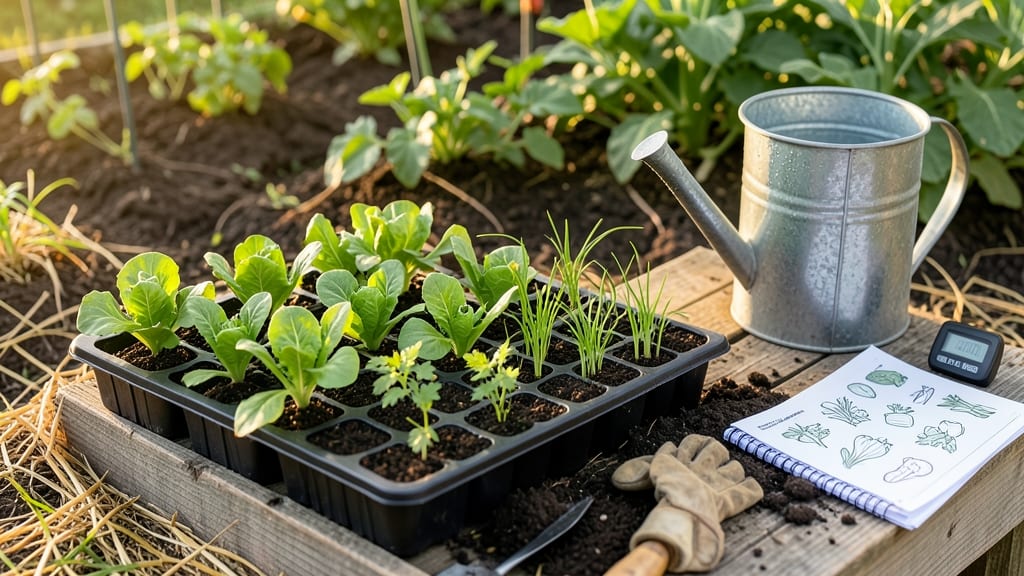
Planting a vegetable garden in California at the right time means the difference between a thriving harvest and a sad, wilted mess.
California’s diverse climate—from coastal fog to desert heat—means planting your vegetable garden at the wrong time can spell disaster. But with the right timing by microclimate, you’ll enjoy a year-round harvest of tomatoes, lettuce, and more—without fighting the elements.
Coastal areas like San Francisco can start cool-season crops like broccoli as early as September, while the Central Valley waits until March to avoid frost. Meanwhile, desert regions like Palm Springs plant heat-lovers like okra in April to beat the summer blaze.
Below, I break down the best months for each region, how to adjust for your exact location, and the year-round strategies that keep your garden productive through every season.
California planting zones: best months by coastal, valley, and desert regions
California’s microclimates create unique growing conditions that demand precise planting timing. Whether you’re in coastal fog belts, Central Valley heat, or desert regions, knowing your local frost-free dates and heat tolerance limits is key to a thriving vegetable garden.
Let’s break down the best planting windows for each region to maximize your harvest potential.
First, understand that coastal areas like San Francisco and Santa Barbara enjoy milder winters, while Central Valley cities such as Fresno and Bakersfield experience hotter summers. Desert regions like Palm Springs and the Coachella Valley have extreme heat, and high Sierra foothills face earlier frosts.
Each zone has distinct planting windows for warm-season and cool-season crops.
For cool-season vegetables like lettuce, broccoli, and peas, coastal gardeners can start as early as late January, while inland areas wait until mid-February.
In contrast, warm-season crops such as tomatoes, peppers, and cucumbers thrive when soil temperatures reach 60°F+, typically late March to early April in most regions.
Here’s a side-by-side comparison of ideal planting times for California’s five key microclimates, including frost-free dates and recommended crops:
| Region | Cool-Season Start | Warm-Season Start | Frost-Free Dates | Heat-Tolerant Crops |
|---|---|---|---|---|
| Coastal (San Francisco, Santa Barbara) | Late January - Early February | Mid-April - Early May | Mid-December - Early January | Tomatoes, Peppers, Eggplant |
| Central Valley (Sacramento, Fresno) | Mid-February - Early March | Late March - Early April | Mid-November - Early December | Okra, Sweet Potatoes, Black-Eyed Peas |
| Southern California (Los Angeles, San Diego) | Early February - Mid-March | Early April - Mid-May | Late December - Early January | Cucumbers, Melons, Basil |
| Desert (Palm Springs, Coachella) | Late February - Early March | Mid-April - Late May | Early December - Mid-January | Jalapeños, Peppers, Amaranth |
| High Sierra Foothills (Sacramento Valley) | Early March - Late March | Late April - Early May | Early November - Mid-December | Kale, Carrots, Radishes |
In coastal regions, the foggy summers allow for extended growing seasons. For example, you can plant warm-season crops like tomatoes in early May and still harvest into September. Meanwhile, Central Valley gardeners should focus on succession planting to avoid bolting in lettuce during hot spells.
For desert areas, prioritize heat-tolerant varieties such as Okra and Sweet Potatoes, which thrive in temperatures above 90°F. Start seeds indoors in February and transplant outdoors once nighttime temps stay above 55°F.
In high Sierra foothills, where frosts linger longer, opt for cold-hardy crops like kale and spinach.
Pro tip: Use row covers in early spring to extend the cool-season planting window by 2-4 weeks. This is especially useful in Southern California, where mild winters allow for year-round planting with protection. Always monitor soil temperatures—warm-season crops need soil at 60°F+ to germinate properly.
If you’re in a transition zone (e.g., North Coast Valley or Inland Empire), blend strategies from neighboring regions. For instance, combine coastal cool-season timing with Central Valley warm-season crops to balance your garden’s needs. Experiment with shade cloth during peak summer to protect heat-sensitive plants like cucumbers.
How to adjust planting times for your exact location using the 10-Day rule
Even if you know your general region’s planting windows, your backyard’s microclimate might differ from the average. A valley just 10 miles from the coast can have warmer soil by 2-3 weeks, while a north-facing slope stays cooler.
The 10-day rule lets you fine-tune planting dates based on real conditions—not just averages.
This method works by shifting recommended dates 10 days earlier or later depending on your local soil temperature, frost risk, and weather patterns. For example, if seed packets say to plant tomatoes in May but your soil warms faster, you might start in mid-April without risking frost damage.
Here’s how to apply it to your garden:
For example, in Los Angeles, you might plant warm-season crops like cucumbers in February (10 days early) if your soil hits 60°F by then. But in Sacramento, wait until April to avoid late frosts.
The key is observation—track your soil’s behavior over a few years to refine your timing.
Pro tip: Use row covers or a mini greenhouse to extend early planting windows in cooler microclimates. This lets you plant 2-3 weeks earlier without risking frost damage to tender seedlings like tomatoes or peppers.
Remember, the 10-day rule isn’t set in stone—it’s a flexible guide. If your garden thrives with earlier plantings, lean into it! The goal is a bountiful harvest, not perfection. 🌱