
Planting
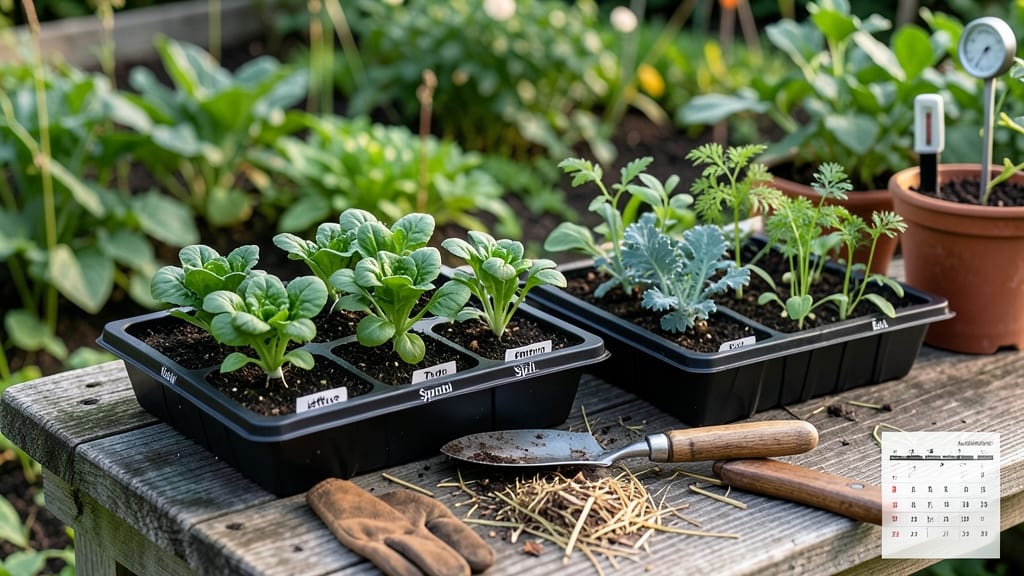
To plant a vegetable garden in Ontario, time your crops between mid-April and late August—skipping this window risks frost damage or stunted growth.
Planting your vegetable garden at the wrong time in Ontario can mean the difference between a thriving harvest and wasted seeds—so timing isn’t just important, it’s everything.
With USDA zones 5a-6b, Ontario’s short growing season demands precision: cool-season crops like lettuce and peas go in early, while tomatoes and peppers wait until after the last frost in mid-May.
Below, I break down the exact frost dates by region, the best planting months for each crop, and how to adjust for Ontario’s unpredictable weather—so you can maximize your harvest from June to October.
Ontario frost dates by Zone: when to plant cool vs warm season vegetables
Ontario’s frost dates are the backbone of successful vegetable gardening here. With USDA zones 5a-6b across the province, your planting timeline can shift dramatically from Windsor’s Zone 6b to Thunder Bay’s Zone 4b. Getting these dates right means the difference between lush tomatoes and frozen seedlings.
I’ll break down exactly when to plant cool-season crops like spinach and warm-season crops like peppers, so you can maximize your harvest.
First, understand that Ontario’s last spring frost ranges from early May in southern zones (6a-6b) to late May or early June in northern zones (4b-5a). Meanwhile, the first fall frost arrives as early as September 15 in northern regions and as late as October 20 in southern Ontario.
These dates dictate when to start seeds indoors, transplant seedlings, and even plan your fall harvest of hardy greens.
For cool-season vegetables like peas, lettuce, and spinach, you’ll want to sow seeds 4-6 weeks before your last frost date. These plants thrive in cooler temperatures and can even tolerate light frosts.
In contrast, warm-season crops such as tomatoes, peppers, and cucumbers need soil temperatures above 10°C (50°F) and should only be planted after your last frost, typically in late May to early June for most of Ontario.
In Zone 6b, where cities like Toronto and Windsor fall, you can start cool-season crops as early as March 1 for a head start. By contrast, gardeners in Zone 4b should wait until April 15 to avoid frost damage.
For warm-season crops, always wait until soil temperatures reach at least 10°C (50°F)—a soil thermometer is your best friend here.
One of my biggest mistakes was planting tomato seedlings too early in Zone 5b. The late May frost caught them off guard, and I lost my entire crop. Now, I use row covers for an extra layer of protection during those critical two weeks before the last frost.
For peppers and eggplants, which need even more warmth, I start seeds indoors in March and transplant after June 1 in most regions.
Don’t forget about fall planting! Many cool-season crops like kale, spinach, and radishes can be sown 6-8 weeks before your first frost for a late harvest.
In Zone 6b, that means August 15 for a fall crop, while in Zone 4b, you’ll want to plant by July 15 to avoid early frosts.
If you’re unsure about your exact last frost date, check local weather records or use a frost-free date calculator. Many Ontario municipalities, like the University of Guelph, provide historical frost data tailored
Best planting timeline for Ontario’s top 10 vegetables: month-by-month guide
Ontario’s short growing season demands precision when planting vegetables. Cool-season crops like lettuce and peas thrive in early spring, while warm-season plants such as tomatoes and peppers need to wait until after the last frost—typically mid-May in most regions.
Below, I’ve mapped out the ideal planting windows for Ontario’s top 10 vegetables, including succession planting tips to maximize your harvest.
For early spring planting (March–April), focus on hardy crops that tolerate light frosts. Peas, spinach, and radishes can go in as early as late March in southern Ontario, while northern zones should wait until early April. Succession planting every 2–3 weeks ensures a continuous harvest of leafy greens like lettuce and kale through summer.
Warm-season crops like tomatoes, peppers, and beans require soil temperatures above 15°C (60°F) to thrive. In Ontario, this typically means waiting until after the May long weekend to transplant seedlings. Succession planting works well for beans and cucumbers—sow seeds every 2 weeks in June and July to extend your harvest.
For fall planting (August–September), prioritize fast-maturing crops like radishes, lettuce, and spinach. These can be sown 8–10 weeks before your first frost date (mid-October in most regions). Use row covers to protect tender greens from early cold snaps and extend the season.
Adjust your planting timeline based on your specific Ontario zone. Southern regions (e.g., Windsor) can plant earlier, while northern zones (e.g., Ottawa) may need to wait until late May. Always check soil temperatures—a soil thermometer is your best tool for precision planting.
Pro tip: Keep a gardening journal to track frost dates and planting windows in your area. Over time, you’ll refine your schedule to match Ontario’s unpredictable weather patterns. With the right timing, you’ll enjoy a bountiful harvest from June through October! 🌱