
Planting
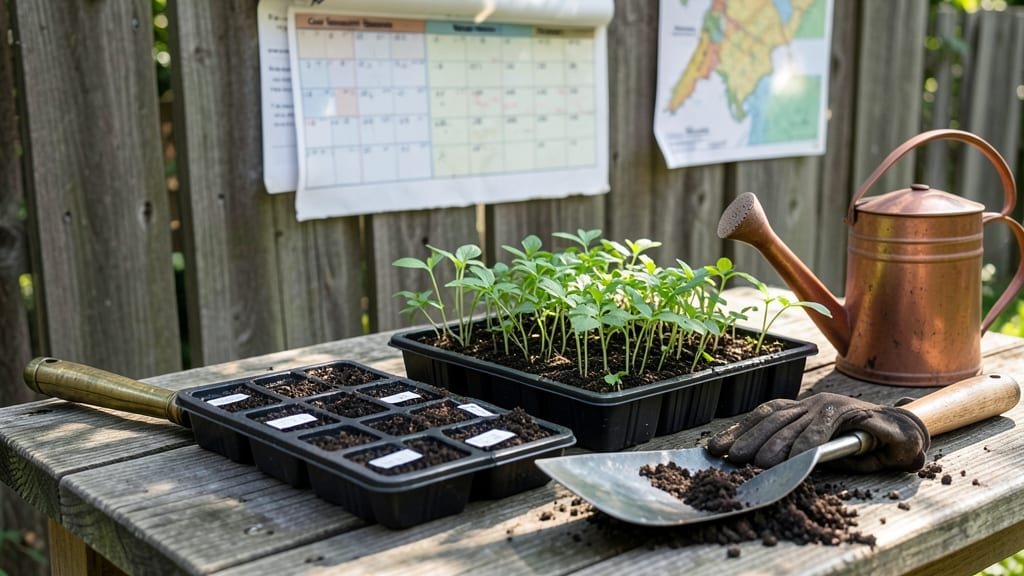
Planting a vegetable garden in Northern California at the right time means the difference between a bountiful harvest and a sad, wilted disappointment.
Northern California’s diverse microclimates—from coastal fog to inland heat—can turn gardening timing into a high-stakes guessing game. Plant too early, and frost wipes out your crops; too late, and summer’s heat stunts growth.
Whether you’re in the Bay Area, Sacramento Valley, or Sierra foothills, the exact planting schedule depends on your local frost dates and soil warmth. Cool-season crops like kale and peas thrive when planted in early spring, while tomatoes and peppers need to wait until after the last frost.
In this guide, I’ll break down the ideal planting windows for your specific zone, including microclimate adjustments, common mistakes to avoid, and tools to help you succeed—so you can enjoy fresh, homegrown vegetables all season long.
Northern California planting zones: when to start seeds vs. transplant vegetables
Northern California spans USDA zones 7b through 10a, creating wildly different planting windows. The Bay Area (7b-9a) gets coastal fog delays, while Sacramento (9a-10a) bakes under summer heat. Even within 50 miles, your last frost date can shift by weeks—critical for timing seed-starting indoors versus buying transplants.
Cool-season crops like kale and peas thrive when soil temps hit 40°F, while tomatoes and peppers need 60°F+ to avoid stunted growth.
Below, I’ll break down when to direct-sow seeds (like carrots) versus transplant seedlings (like basil) for each microclimate—plus how to adjust for coastal fog or valley heat.
| Region | Avg Last Frost | Cool-Season Crops (Direct-Sow) | Warm-Season Crops (Transplant) | Key Adjustments |
|---|---|---|---|---|
| Bay Area (7b-9a) | March 15–April 15 | Peas: Feb 1–Mar 15 Kale: Feb 15–Apr 1 Spinach: Oct 15–Nov 15 |
Tomatoes: Apr 15–May 1 Peppers: May 1–Jun 1 Basil: Apr 15–May 15 |
Delay warm crops 2–3 weeks for coastal fog. Use row covers for early starts. |
| Sacramento Valley (9a-10a) | February 15–March 1 | Peas: Jan 1–Feb 15 Broccoli: Sep 15–Nov 1 Lettuce: Oct 1–Dec 1 |
Tomatoes: Mar 15–Apr 1 Peppers: Mar 20–Apr 15 Cucumbers: Apr 1–May 1 |
Start warm crops 2 weeks earlier than coastal areas. Mulch to retain moisture. |
| Central Coast (8a-9b) | March 1–April 1 | Carrots: Feb 15–Mar 15 Onions: Feb 1–Mar 15 Radishes: Sep 15–Nov 1 |
Tomatoes: Apr 1–Apr 15 Eggplant: May 1–Jun 1 Okra: Jun 1–Jul 1 |
Monitor soil temp—plant warm crops only after 60°F for 5+ days. |
| Sierra Foothills (7b-8a) | April 1–April 30 | Peas: Mar 1–Apr 15 Cabbage: Mar 15–Apr 30 Potatoes: Mar 1–Apr 1 |
Tomatoes: May 1–May 15 Peppers: May 15–Jun 1 Squash: May 1–Jun 1 |
Use black plastic mulch to warm soil faster. Frost risk lingers until May 15. |
For cool-season crops, I recommend direct-sowing seeds 4–6 weeks before your last frost date. For example, in the Bay Area, peas go in by February 1—too late, and they bolt in the heat.
Meanwhile, warm-season transplants like tomatoes need to wait until soil temps are consistently above 60°F, which in Sacramento means March 15 or later.
Pro tip: Use a soil thermometer to confirm readiness. If your soil is below 50°F, even hardy crops like kale will grow slowly.
In zone 10a (e.g., Sacramento), you can even plant fall crops like spinach in September for a winter harvest—just protect them with frost cloth after November 15.
One common mistake? Buying transplants too early and setting them out before the danger of frost has passed. In zone 7b, that means waiting until after April 15 for tomatoes, even if the nursery offers them in March.
Root-bound seedlings struggle to recover from transplant shock when nights are still chilly.
For succession planting, I suggest sowing lettuce every 2 weeks from February to October in the Bay Area, and bush beans every 3 weeks from April to July in Sacramento. This
Microclimate adjustments: how to shift planting timing for coastal vs. valley gardens
Northern California’s coastal fog and inland heat create dramatically different growing conditions. A fog-prone coastal garden in San Francisco may need to delay warm crops like tomatoes by 2-3 weeks compared to a Sacramento Valley garden where the soil warms faster.
These microclimate shifts can mean the difference between a thriving harvest and a failed crop.
For coastal areas, the delayed planting window accounts for slower soil warming and persistent morning fog, which can drop temperatures unexpectedly. Inland valleys, however, often see earlier planting opportunities for heat-loving crops because the soil reaches optimal temperatures faster. Understanding these adjustments ensures your garden thrives in its unique climate.
Here’s how to adapt your planting schedule based on your location, including a 7-day planting calendar for high-value crops like strawberries, broccoli, and cucumbers. I’ll also cover how to use row covers to extend your growing season in both coastal and valley settings.
For coastal gardens, row covers are your best friend. They create a microclimate that warms the soil faster and protects tender plants from late spring frosts. Simply drape lightweight fabric over your seedlings or young plants and secure the edges with bricks or soil.
This can extend your planting window by 2-4 weeks for heat-sensitive crops like peppers and eggplants.
In valley gardens, focus on succession planting to take advantage of the longer growing season. For example, plant a quick-maturing crop like radishes in early spring, followed by beans or cucumbers as the soil warms.
This ensures your garden stays productive from early spring through late fall. Always monitor soil temperatures—aim for 60°F or warmer for warm-season crops.
Adjusting your planting schedule based on microclimate isn’t just about timing—it’s about creating the right conditions for your plants to thrive. With these adjustments, you’ll enjoy a longer harvest season and healthier plants, whether you’re battling coastal fog or valley heat. Happy gardening!