
Planting
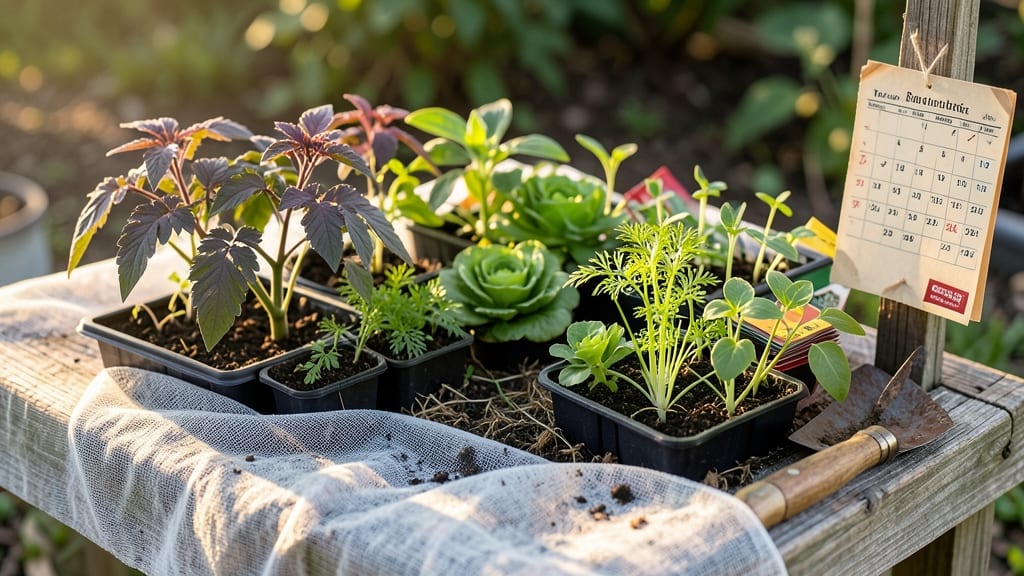
To plant a vegetable garden in Pennsylvania at the right time means catching the sweet spot between frost dates and heat waves—because getting it wrong can mean stunted plants or wasted seeds.
Pennsylvania’s diverse climate—from the cool mountains to the humid valleys—means planting your vegetable garden at the wrong time can leave you with stunted plants or lost harvests. Get the exact zone-specific planting dates to maximize your yield and avoid common gardening mistakes.
Whether you’re sowing lettuce in Zone 5 or tomatoes in Zone 7, timing is everything. Cool-season crops like spinach thrive when soil temps hit 40°F, while peppers need to wait until after the last frost—usually mid-April in most regions.
Below, I’ll break down the best planting windows for your 🥬 vegetable garden, how to adjust for microclimates, and the one trick that saves late-season harvests—so you can go from seed to table faster than ever.
Pennsylvania planting zones & best start dates for key vegetables
Pennsylvania spans USDA Zones 5a-7a, creating dramatic differences in planting windows from the cool mountain regions to the warmer valleys. In Zone 5a (northwest PA), last frost typically arrives May 1-15, while Zone 7a (southeastern PA) sees frost-free soil by April 1-15.
These 20-day differences mean your lettuce might bolt in one zone but thrive in another.
To simplify, I’ve organized direct-sowing and transplant dates for Pennsylvania’s top 10 vegetables, including tomatoes, peppers, and lettuce. These dates assume average frost dates but allow flexibility for your specific microclimate. Always monitor your local weather forecasts and soil temperatures.
Pro Tip: Use a soil thermometer—most seeds need 40°F+ for germination. Warm-season crops like tomatoes won’t thrive until soil hits 60°F+. In cooler zones, consider black plastic mulch to warm the soil faster.
| Vegetable | Zone 5a (Northwest) | Zone 6a (Central) | Zone 7a (Southeast) | Notes |
|---|---|---|---|---|
| Lettuce (Direct Sow) | April 15 - May 15 Fall: July 15 - Aug 15 |
April 1 - May 10 Fall: July 1 - Aug 10 |
March 15 - April 30 Fall: June 15 - July 30 |
Sow every 2 weeks for continuous harvest. Use shade cloth in summer. |
| Tomatoes (Transplant) | May 15 - June 1 | May 1 - May 15 | April 15 - April 30 | Use row covers for early planting. Stake or cage 3-4 ft tall varieties. |
| Peppers (Transplant) | May 20 - June 10 | May 10 - May 20 | April 20 - May 5 | Start indoors 8-10 weeks before transplant. Needs full sun and warm soil. |
| Green Beans (Direct Sow) | May 1 - June 1 | April 15 - May 15 | April 1 - April 15 | Sow pole beans for vertical space. Succession plant every 2 weeks. |
| Carrots (Direct Sow) | April 1 - May 10 Fall: July 1 - Aug 1 |
March 20 - April 20 Fall: June 15 - July 15 |
March 1 - April 10 Fall: June 1 - July 10 |
Loosen soil to 12 inches deep. Thin to 2-3 inches apart. |
| Cucumbers (Direct Sow) | May 10 - June 1 | May 1 - May 10 | April 15 - April 30 | Trellis vines to save space. Mulch to retain moisture. |
| Spinach (Direct Sow) | April 1 - May 10 Fall: July 15 - Aug 15 |
March 15 - April 20 Fall: July 1 - Aug 1 |
March 1 - April 10 Fall: June 15 - July 15 |
Bolts in heat—shade cloth helps in summer. |
| Broccoli (Transplant) | April 15 - May 10 Fall: July 1 - July 15 |
April 1 - April 20 Fall: June 15 - July 1 |
March 15 - April 10 Fall: June 1 - June 15 |
How to adjust planting times for Pennsylvania’s microclimatesPennsylvania’s varied landscapes—from Pittsburgh’s urban heat islands to the Poconos’ high-elevation chill—create microclimates that can shift planting windows by weeks. In cities like Philadelphia, summer heat arrives earlier, while mountain regions like Erie stay cooler longer. Understanding these differences helps you avoid late-spring frosts or heat stress in delicate crops like basil or cucumbers. For urban gardeners, blacktop and concrete absorb heat, raising soil temperatures by 10-15°F compared to rural areas. This means starting warm-season crops like tomatoes 1-2 weeks earlier than rural guides suggest. Meanwhile, high-elevation areas (above 2,000 feet) may have 50+ extra frost-free days, letting you extend fall harvests into November. Here’s how to fine-tune your planting schedule for PA’s most common microclimates:
1. Urban Heat Islands:
Start tomatoes, peppers, and beans 2 weeks earlier (late April) than rural zones. Use shade cloth in July to protect heat-sensitive crops like lettuce.
2. High Elevations (Poconos, Alleghenies):
Delay warm crops until May 15 and extend fall planting to September 1 for hardy greens. Monitor soil temps—they lag behind air temps.
3. River Valleys (Susquehanna, Delaware):
Plant heat-lovers (okra, sweet potatoes) 3 weeks earlier than inland zones. Watch for humidity-related diseases—space plants wider for airflow.
4. Succession Planting for Extending Harvests:
Sow lettuce every 2 weeks from April to August. For tomatoes, stagger plantings in 3-week intervals to ensure continuous fruit.
5. Late-Spring Frost Protection:
Use row covers or cloche tunnels for tender crops until May 10 in most zones. In mountains, wait until May 25 for warm crops.
To further refine your timing, invest in a soil thermometer—most seeds need soil temps between 60-85°F to germinate. For example, peppers won’t sprout below 70°F, even if air temps seem warm. In cities, mulch with straw to slow heat buildup, while in cool zones, use black plastic mulch to warm soil faster. Pro tip: Track your local last frost date for 3 years and adjust accordingly. For instance, if your neighborhood’s last frost shifts from April 15 to April 5, move up your cold-hardy crops like spinach or kale by 10 days. With these microclimate tweaks, you’ll turn PA’s climate quirks into longer harvests and fewer gardening headaches. |