
Planting
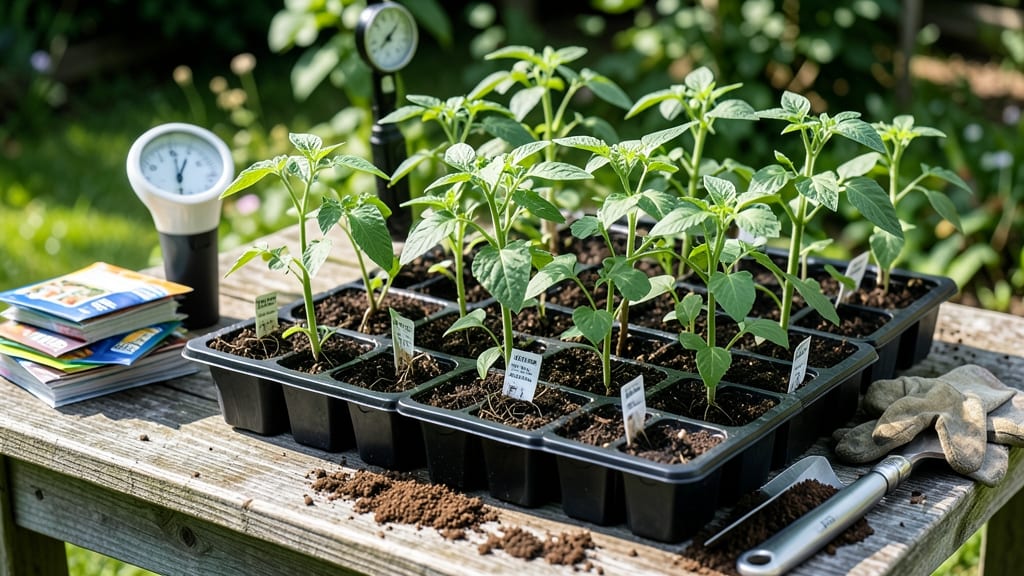
Planting a vegetable garden in Seattle at the right time means the difference between a thriving harvest and a sad, wilted disappointment 🥬 — and the best window starts 4-6 weeks before your last frost.
Seattle’s unpredictable weather can make or break your vegetable garden—planting at the wrong time means stunted growth or total failure, while perfect timing unlocks bountiful harvests year-round. Here’s how to align your planting schedule with Seattle’s microclimates for maximum success.
With USDA Zone 8a conditions, your garden can produce fresh veggies from spring through fall, but cool soils and late frosts demand strategy. Whether you’re sowing seeds indoors in February or transplanting tomatoes in June, knowing the exact timing for each crop is the key to avoiding wasted effort.
Below, I break down the ideal planting windows for Seattle’s most popular vegetables, how to adjust for urban heat islands, and the simple tricks that extend your harvest season by months—so you can enjoy homegrown food all year long.
Seattle’s planting zones & microclimates: when to start seeds vs. transplants
Seattle’s gardening success hinges on understanding its USDA Zones 8a-9a and microclimates. While the city averages 165 frost-free days, temperatures vary dramatically between the Puget Sound lowlands (cooler, wetter) and Eastside foothills (warmer, drier).
These differences mean your last frost date could shift by 2-3 weeks depending on location.
For cool-season crops like kale, spinach, and peas, I start seeds indoors 6-8 weeks before my target transplant date—typically late February to early March for Puget Sound areas. In warmer microclimates like Kirkland or Bellevue, I push this to March 1-15 to avoid early blooming triggered by warmer soil.
Warm-season crops such as tomatoes, peppers, and basil require soil temperatures above 60°F to thrive. I wait until mid-April to early May to transplant these outdoors, aligning with Seattle’s average last frost of March 15 but adjusting 2-3 weeks later for cooler pockets like Ballard or West Seattle.
Here’s how Seattle’s three primary microclimates affect your planting schedule:
To fine-tune your schedule, I recommend using a soil thermometer—warm-season crops like tomatoes and peppers won’t germinate well below 70°F. In my Eastside garden, I’ve seen 2-3 week differences in transplant readiness compared to West Seattle neighbors due to urban heat island effects.
For direct sowing, I adjust based on air temperature rather than soil. For example, carrots and radishes can handle cooler soils, so I plant them 2-3 weeks earlier than tomatoes.
My late April sowings of peas and lettuce often outperform March plantings because early spring rains can rot seeds if soil isn’t properly amended.
Pro tip: Use row covers to extend your spring planting window by 3-4 weeks. I’ve successfully grown cucumbers and zucchini under cover starting April 15 in cooler areas, then transplanted them outdoors after May 1 when soil warmed sufficiently.
Seattle’s fall planting offers a second chance for warm-season crops. I direct-sow beans and corn as late as July 15 in warmer microclimates, while kale and broccoli thrive when planted August 1-September 15 for fall harvests before the first frost.
Always check local frost data—Seattle’s University of Washington AgWeatherNet provides real-time updates. In 2023, my Ballard garden experienced a late April frost that wiped out my early basil transplants, teaching me to wait until May 10 for heat-loving plants in that area.
Remember: Microclimates matter more than zip codes. A south-facing wall can create a 5°F warmer microclimate perfect for herbs and mediterranean vegetables like oregano or thyme that struggle in cooler spots.
Best vegetables to plant by month in Seattle’s climate
Seattle’s cool, wet springs and mild, dry summers create a unique growing window that rewards gardeners who time their plantings carefully. Unlike hotter climates, you can grow leafy greens year-round and extend warm-season crops with simple tools like row covers.
The key is knowing which veggies thrive in each month’s conditions—from cold-hardy kale in winter to heat-loving tomatoes in summer.
Below is my month-by-month guide to planting the most productive vegetables in Seattle, including herbs that grow all year and season-extending tricks like cold frames. Whether you’re a beginner or a seasoned gardener, these timing tips will help you avoid common pitfalls like frost damage or bolting greens.
- 1
- 2
- 3
- 4
- 5
For urban gardeners in heat islands (like Ballard or Fremont), you can push warm-season crops 2-3 weeks earlier than rural areas. Meanwhile, cooler spots near Lake Washington may need row covers to protect tender plants.
Always check your local frost dates—Seattle’s can vary by 1-2 weeks from year to year.
Herbs like cilantro, parsley, and chives are my go-to year-round plants—they handle Seattle’s cool, damp winters beautifully. For tomatoes and peppers, I swear by black plastic mulch to warm the soil faster in spring. And don’t forget: succession planting every 2 weeks keeps your harvests coming all summer long.
With this schedule, you’ll avoid the common mistakes of planting too early (like bolting lettuce) or too late (like stunted tomatoes). The result? A continuous harvest from spring through fall—even in Seattle’s unpredictable climate! 🌱