
Planting
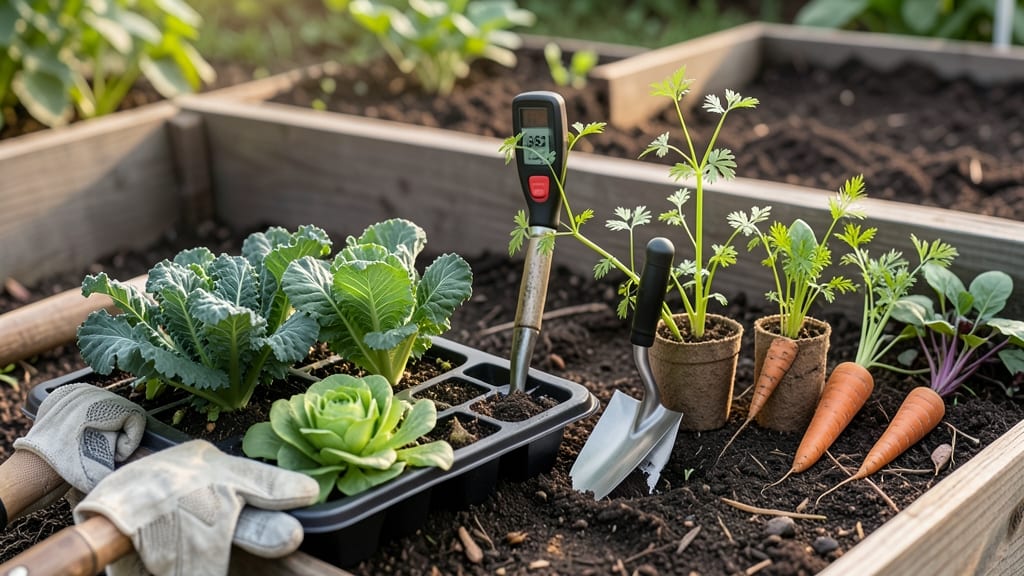
Planting your vegetable garden in Seattle at the right time means the difference between a thriving harvest and a sad pile of wilted seedlings 🥕.
Seattle’s unpredictable weather can make or break your vegetable garden—planting at the wrong time means stunted growth or worse, total crop failure. But timing it right unlocks a bountiful harvest of tomatoes, carrots, and more, even in the Pacific Northwest’s cool climate.
With USDA Zone 8a frost dates that average between mid-April and mid-May, knowing when to start seeds indoors versus direct sowing is the key to success.
Cool-season crops like spinach and peas can go in as early as February, while warm-season favorites like tomatoes and peppers need to wait until late May or early June.
Below, I’ll break down the best planting windows for every crop, how to adjust for Seattle’s microclimates, and pro tips to extend your growing season—so you can enjoy fresh veggies from spring through fall.
Seattle’s planting zones: understanding USDA Zone 8a/8b and frost dates
Seattle’s USDA Zone 8a/8b classification might sound technical, but it’s the key to unlocking your garden’s potential. With average last frost dates between April 15 and May 15, timing your plantings becomes less guesswork and more strategy.
The 1,500–2,000 heating degree days Seattle receives annually shape which crops thrive—and when to plant them.
However, Seattle’s microclimates complicate things. Urban areas like Ballard or Fremont often warm up faster than rural spots like Snoqualmie Pass. This means your neighbor’s tomato plants might be flourishing while yours are still struggling.
Understanding these variations helps you adjust planting times for cool-season crops (like spinach and peas) versus warm-season crops (like tomatoes and peppers).
Here’s the critical rule: Cool-season crops can handle light frosts, while warm-season crops need soil temperatures above 60°F (15°C) to germinate. Seattle’s first frost typically arrives around October 15, leaving you with roughly 165 frost-free days—just enough for two growing seasons if you plan carefully.
For warm-season crops, like tomatoes, you’ll need to calculate heat units—a measure of how much warmth your plants need to mature. For example, cherry tomatoes typically require 1,000–1,200 heat units, while peppers need even more (1,200–1,500 heat units).
Seattle’s climate often falls short for these heat-hungry plants, so I recommend starting them indoors in March and transplanting after the last frost.
If you’re growing cool-season crops, like spinach or peas, you can start them as early as February in protected beds or under row covers. These crops thrive in cooler temperatures and can even tolerate light frosts.
The key is to plant them 4–6 weeks before your last frost date to ensure they’re established before warmer weather arrives.
Urban gardeners in Seattle often face shorter growing seasons due to limited space and microclimates. For example, a south-facing balcony in West Seattle might get enough heat to grow peppers, while a north-facing yard in Shoreline might struggle.
To maximize your space, focus on fast-maturing varieties and use container gardening to control microclimates.
One of my biggest mistakes early on was planting tomatoes too late in May, thinking the weather had warmed up enough. By June, the plants were still struggling to grow, and I ended up with a meager harvest.
Now, I always check the soil temperature—it needs to stay above 60°F (15°C) for at least a week before planting warm-season crops.
To stay on track, I use a garden journal to log frost dates, soil temperatures, and planting times each year. Seattle’s weather is unpredictable, but keeping records helps me adjust my strategy.
For example, if the last frost date shifts to May 1 one year, I’ll delay planting peppers until mid-May instead of early May.
Don’t forget about fall planting! Many cool-season crops, like kale and carrots, can be sown as late as August for a harvest before winter. This second planting season is a game-changer for extending your harvest and making the most of Seattle’s 165 frost-free days. 🌱
Best vegetables to plant in Seattle by season (with exact timing)
Seattle’s cool, wet springs and mild summers create a unique growing window that rewards gardeners who plan carefully. Unlike warmer climates, we can’t plant tomatoes in March—but with the right timing, you can enjoy fresh spinach in May, zucchini in July, and even kale in October.
The secret? Succession planting and knowing when to start seeds indoors versus direct-sowing outdoors.
Here’s my month-by-month guide to planting the best vegetables in Seattle, including exact dates for cool-season and warm-season crops. I’ll also share how to stretch your harvest with succession planting—so you’re never without fresh veggies!
- February–March: Start cool-season crops indoors—spinach, peas, lettuce, and kale. Direct-sow onion sets and broccoli outdoors once soil warms slightly.
- April (after last frost, ~April 15): Plant hardy greens like arugula, radishes, and carrots. Begin succession sowing every 2 weeks for continuous harvests.
- Late May–Early June (soil at 60°F+): Warm-season stars arrive—tomatoes, peppers, cucumbers, and beans. Transplant eggplant and squash after danger of frost passes.
- July–August: Succession plant heat-tolerant crops like bush beans, zucchini, and swiss chard. Start fall broccoli indoors for late harvests.
- September (after first frost, ~Oct 15): Cool-season crops thrive again—kale, Brussels sprouts, cabbage. Direct-sow spinach and radishes for winter harvests.
For succession planting, focus on crops like lettuce, radishes, and carrots—they mature quickly (30–60 days) and can be sown every 2–3 weeks. This ensures you’re always harvesting fresh produce without gaps. For example, plant radishes every 10 days from March to September, and you’ll have a steady supply!
Don’t overlook fall planting—Seattle’s mild winters mean you can grow kale, spinach, and garlic well into December. Just protect them with row covers if frost threatens.
And for warm-season crops, choose fast-maturing varieties like ‘Early Girl’ tomatoes (55 days) or ‘Bush Blue Lake’ beans (50 days) to maximize your short summer.
Pro tip: Use a gardening journal to track your planting dates and note which crops thrive in your specific microclimate. Seattle’s urban areas (like Ballard) may have slightly earlier last frosts than rural zones, so adjust accordingly. With this schedule, you’ll enjoy a year-round harvest—even in the Pacific Northwest!