
Planting
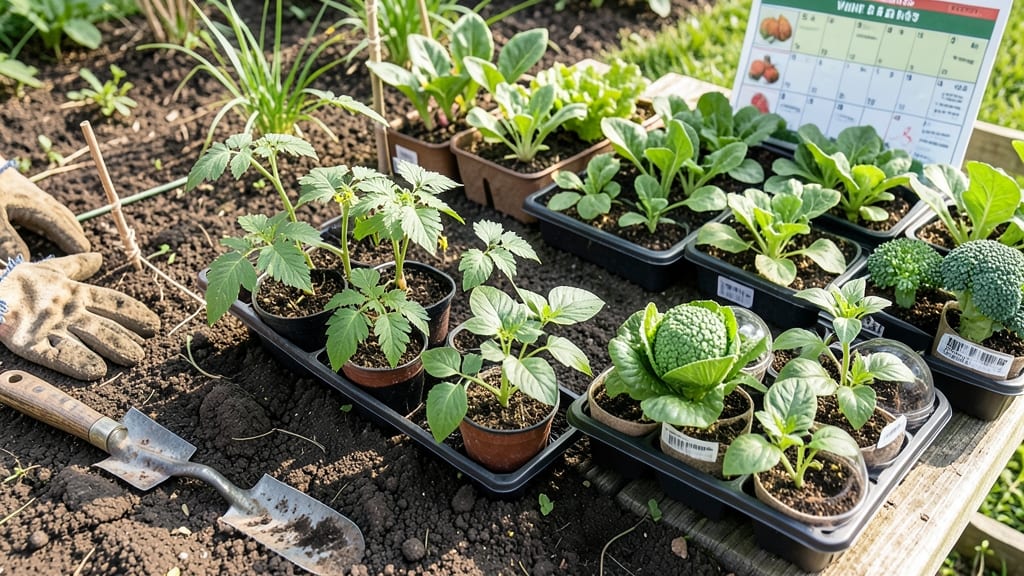
Planting a vegetable garden in Virginia at the right time means the difference between a bountiful harvest and a sad, wilted mess.
Virginia’s diverse climate—from coastal plains to mountain highlands—means your vegetable planting schedule must adapt to avoid frost, heat stress, and pests. Get the exact zone-specific start dates to maximize your garden’s yield this season.
Cool-season crops like spinach and peas thrive when planted in early spring, while tomatoes and peppers need to wait until after the last frost. But timing isn’t one-size-fits-all: Piedmont’s rapid temperature swings demand earlier starts than the slower-warming coastal plains.
In this guide, I’ll walk you through the perfect planting windows for every Virginia zone, plus pro tips for soil prep and succession planting to keep your garden productive all season long.
Virginia planting zones explained: when to start seeds indoors vs. outdoors
Virginia spans USDA Planting Zones 5a through 8a, creating dramatic differences in frost dates and growing seasons. In Zone 5a (mountain regions), last spring frosts can linger until May 15, while Zone 8a (coastal areas) often enjoys frost-free conditions by March 1.
These variations mean your cool-season crops (like spinach and peas) and warm-season crops (like tomatoes and peppers) must be timed precisely to avoid frost damage or heat stress.
For cool-season vegetables, I start seeds indoors 6-8 weeks before your average last frost date. In Zone 5a, that’s early March for hardy greens, while Zone 8a gardeners can begin as early as January.
Warm-season crops, however, need soil temperatures above 60°F—typically mid-April to May—before transplanting outdoors.
Here’s the breakdown you need to match your zone with the perfect planting timeline:
| Zone | Avg. Last Frost | Start Cool-Season Indoors | Transplant Outdoors | Start Warm-Season Indoors | Transplant Outdoors |
|---|---|---|---|---|---|
| 5a (Mountains) | May 15 | Early March | Late April | Mid-March | After May 15 |
| 6a (Piedmont) | April 15 | Late February | Early April | Early March | After April 15 |
| 7a (Central VA) | March 25 | Early February | Late March | Late February | After March 25 |
| 7b (Tidewater) | March 10 | January | Late February | Late January | After March 10 |
| 8a (Coastal) | February 15 | December | Early February | Late December | After February 15 |
For Zone 5a and 6a gardeners, I recommend using row covers to extend the season for warm-season crops like peppers and eggplants.
These areas often experience late spring frosts, so I wait until June 1 to plant heat-loving crops outdoors—unless I use black plastic mulch to warm the soil faster.
In Zone 7a and 8a, the real challenge is heat tolerance. Tomatoes and cucumbers can bolt (flower prematurely) if temperatures exceed 90°F for more than 3 days. I solve this by planting shade cloth over seedlings and choosing heat-resistant varieties like 'Solar Fire' tomatoes or 'Arkansas Traveler' peppers.
Pro tip: Use a soil thermometer to confirm when soil temps reach 60°F+ for warm-season crops. In Zone 5a, this might not happen until late May, while Zone 8a soils often warm up by mid-March. Rushing transplanting into cold soil stunts root growth and delays harvests.
Don’t forget about succession planting! In Virginia’s longer growing zones (7a-8a), I make 2-3 plantings of lettuce, radishes, and bush beans every 2-3 weeks from March through July. This ensures a continuous harvest and prevents bolting from heat stress.
For cool-season crops, I prioritize hardy varieties like 'Winter Density' kale or 'Sugar Snap' peas, which tolerate light frosts. In Zone 5a, I even plant a fall garden of spinach and carrots in early August for harvests before the first frost (November 1).
Track your local frost dates using the Virginia State Climate Office or plant heat-loving crops like okra and sweet potatoes in late May to avoid early-season heat stress. With these zone-specific timelines, you’ll maximize your garden’s potential—whether you’re in the mountains or the coast!
Best vegetables to plant by month in Virginia (Zone-specific calendar)
Virginia’s diverse growing zones (5a-8a) mean your planting schedule should shift based on last frost dates and heat tolerance. Cool-season crops like broccoli and spinach thrive in early spring, while warm-season favorites such as tomatoes and peppers need soil temperatures above 60°F. Let’s break down the ideal planting windows for continuous harvests.
For succession planting, stagger seeds every 2-3 weeks to ensure a steady supply of greens, beans, and herbs. Heat-resistant varieties like 'Heatmaster' tomatoes or 'Jalapeño M' peppers extend your harvest into late summer.
Start by aligning your schedule with Virginia’s frost-free dates, which range from mid-March in Zone 7b to late April in Zone 5a.
In Zone 7a (Piedmont), aim to plant tomatoes and peppers by May 1st to avoid heat stress. For Zone 5a (mountains), delay warm-season crops until May 15th due to cooler soils. Succession planting every 2 weeks ensures a steady harvest of bush beans and lettuce all summer.
For late-season success, choose heat-tolerant varieties like 'Celebrity' tomatoes or 'Arkansas Traveler' peppers. Mulch beds with straw to retain moisture and extend harvests into September. Container gardening also works well for warm-season crops in limited spaces.
Adjust your schedule based on local microclimates. Coastal areas (Zone 8a) can plant earlier, while mountain regions (Zone 5a) should wait until soil warms. Always monitor soil temperature with a probe—warm-season crops need at least 60°F to thrive.
By following this month-by-month guide, you’ll enjoy fresh homegrown vegetables from spring to fall, even in Virginia’s variable climate. Happy planting! 🌱