
Planting
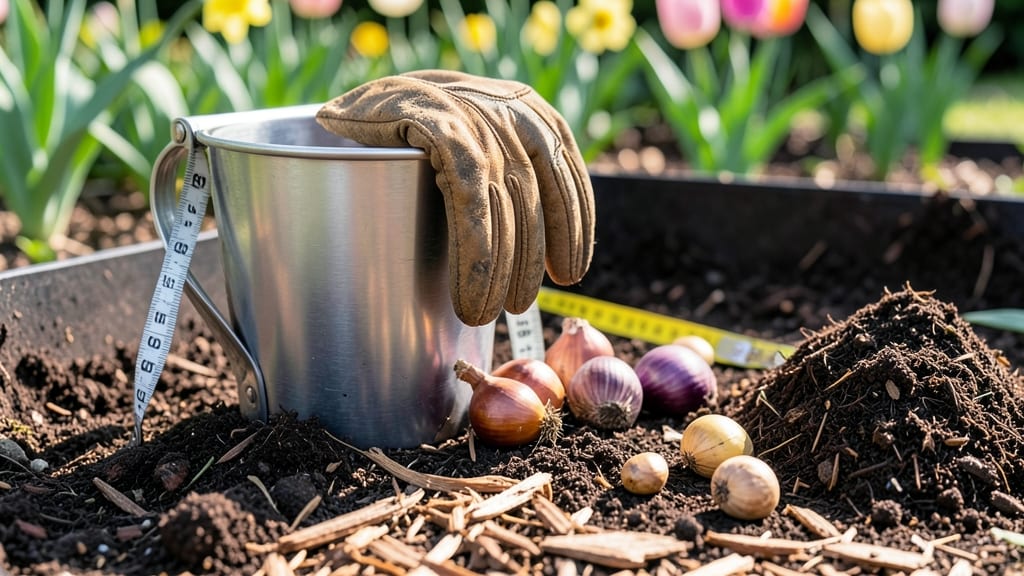
Planting bulbs in your garden at the right time ensures vibrant spring blooms that last for weeks—miss the window, and you’ll end up with nothing but dirt.
Timing is everything, especially in USDA Zone 6a where a late frost can wipe out your hard work. Whether you’re planting tulips, daffodils, or hyacinths, the clock starts ticking 6-8 weeks before the first frost—that’s your fall deadline for spring color.
But what if your spring arrives early or your fall drags on? I’ll break down how to adjust for unpredictable weather, plus the 3 key soil prep steps that make all the difference between a thriving garden and a flop.
By the end, you’ll know exactly when to dig, how deep to plant, and what to do if you’re still shopping for bulbs in late fall. No more guesswork—just perfectly timed blooms year after year.
USDA Zone planting deadlines for spring bulbs
Spring bulbs like tulips, daffodils, and hyacinths need precise timing to thrive. Planting too early or late can stunt growth or prevent blooming altogether. The key is understanding your USDA zone and local frost dates.
Most spring-flowering bulbs should be planted in fall, but frost-sensitive varieties like crocuses and snowdrops can sometimes go in early spring.
For gardeners in Zones 3-10, the ideal window varies by month and climate. In colder zones (3-5), bulbs need to root before winter sets in, while warmer zones (8-10) have a longer window. Let’s break down the exact deadlines to ensure your bulbs bloom beautifully next spring.
| USDA Zone | Best Planting Month | Deadline for Fall Planting | Spring Planting Window | Notes |
|---|---|---|---|---|
| Zones 3-4 | September-October | Mid-October (6-8 weeks before frost) | Early March (4-6 weeks before last frost) | Cold-hardy bulbs like tulips and alliums thrive here. |
| Zones 5-6 | October-November | Late November (6 weeks before frost) | Late March (4 weeks before last frost) | Perfect for daffodils and hyacinths. |
| Zones 7-8 | November-December | Early December (4-6 weeks before frost) | Early April (6 weeks before last frost) | Warmer zones allow late fall planting. |
| Zones 9-10 | December-January | Mid-January (2-4 weeks before frost) | Late February (6 weeks before last frost) | Frost-sensitive bulbs like crocuses may need spring planting. |
In Zones 3-4, where winters are harsh, aim to plant bulbs by mid-October. This gives roots time to establish before the ground freezes. For example, tulips in Minnesota (Zone 4) should be in the ground by October 15th at the latest.
If you miss the fall window, wait until early March for spring planting.
Gardeners in Zones 5-6 have a slightly longer window—plant by late November. This includes regions like Chicago (Zone 5) and Denver (Zone 6). Daffodils and hyacinths do well here, but avoid planting too early, or they may sprout and get damaged by frost.
Warmer climates in Zones 7-8 allow for late fall planting, even into December. Southern California (Zone 9) and Florida (Zone 10) can plant as late as January, but frost-sensitive bulbs like snowdrops may need spring planting. Always check your local last frost date for accuracy.
For spring planting, time it so bulbs have 4-6 weeks before the last frost. In Zone 5, this means planting by late March, while Zone 10 gardeners can wait until February.
Use a soil thermometer to ensure the ground is at least 50°F—bulbs won’t sprout in cold soil.
Pro tip: Plant alliums and tulips deeper (8-10 inches) in colder zones to protect them from freeze-thaw cycles. In warmer zones, shallower depths (6 inches) work well. Always plant the pointy end up—this is non-negotiable for proper growth!
Missed the deadline? Don’t panic. Store bulbs in a cool, dry place (like a garage) until you can plant. Just avoid refrigeration, as bulbs need a dormancy period to thrive. With these zone-specific deadlines, your garden will burst with color next spring!
How to adjust planting time for late frosts or early springs
Unpredictable weather can throw off your bulb planting schedule, but with the right adjustments, you can still enjoy stunning spring blooms. Late frosts or early warm spells require flexibility—especially for frost-sensitive varieties like lilies and fritillaries.
The key is monitoring soil temperatures and using protective techniques to extend your planting window safely.
First, check your local frost dates and adjust your timeline accordingly. Most bulbs need 6-8 weeks of cool soil before sprouting, but some hardy varieties like daffodils can handle colder conditions.
If your area experiences late frosts, consider planting earlier than recommended or using temporary cold frames to protect emerging shoots.
⚠️ callout warning ⚠️
For gardeners in early spring climates, focus on soil temperature rather than calendar dates. Use a soil thermometer to confirm temps are consistently above 50°F (10°C) before planting. This is critical for spring-blooming bulbs like tulips, which may rot if planted in cold, wet soil. If your soil is still chilly, opt for container planting where you can move pots to warmer spots.
Another strategy is layered planting. Plant hardy bulbs like crocuses in early fall, then add tender varieties in late winter or early spring. This creates a staggered bloom time, ensuring continuous color.
For example, plant fritillaries in late winter (when soil is workable) and tulips in early spring for a delayed but reliable display.
Don’t overlook the power of mulching. Apply a 3-inch layer of organic mulch (like shredded leaves or straw) after planting to regulate soil temperature and retain moisture.
This is especially helpful in dry early springs or unpredictable frost pockets. Mulch also suppresses weeds, reducing competition for your bulbs’ nutrients.
Finally, keep an eye on weather forecasts and be ready to act. If a late frost is predicted, cover newly planted bulbs with frost cloth or a lightweight row cover. For container-grown bulbs, move pots to a sheltered location like a garage or under a porch.
With these adjustments, you’ll protect your investment and still enjoy a bountiful spring garden. 🌱