
Planting
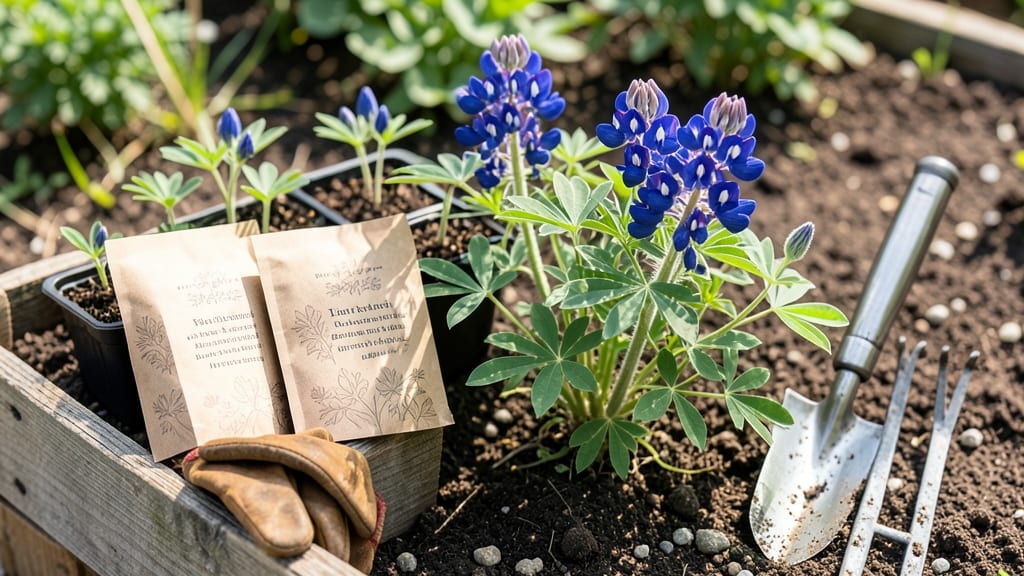
Planting a spring garden in Texas at the right time means catching that narrow window between frost and scorching heat—soil warmth is the real trigger, not just the calendar.
Texas gardeners know timing is everything—plant too early, and frost will kill your seedlings; too late, and summer’s scorching heat arrives before your harvest. But mastering the soil temperature triggers that signal the perfect planting window can mean the difference between a thriving spring garden and a failed experiment.
Cool-season crops like lettuce and peas need soil in the 60°F range, while tomatoes and peppers won’t germinate until it hits 70°F or warmer. That’s why blindly following a one-size-fits-all planting date won’t work across North, Central, or South Texas.
In this guide, I’ll break down the exact soil temps to watch for, how to test them, and the fastest way to adjust your planting schedule for your specific microclimate—so you’re not left guessing when to put seeds in the ground.
Texas spring planting zones by soil temperature (not just dates!)
Texas gardeners often rely on last frost dates to time their spring plantings, but soil temperature is the real game-changer. Cool-season crops like lettuce and spinach need soil at 60°F or warmer to germinate, while tomatoes and peppers thrive when soil reaches 70°F+.
Without checking, you might sow seeds too early—leading to slow germination—or too late, missing the optimal window before summer’s heat sets in.
Texas spans three distinct planting zones based on soil warmth: North Texas (cooler), Central Texas (moderate), and South Texas (warmer). Even within these regions, microclimates (like urban heat islands or hill country) can shift ideal planting dates by 2-4 weeks.
For example, Amarillo’s soil may still be chilly in late March, while Houston’s could be ready for tomatoes by early February.
Here’s how to decode your soil’s readiness using germination thresholds and a simple soil thermometer—no guesswork required.
| Region | Cool-Season Crops (Soil Temp: 60°F+) |
Warm-Season Crops (Soil Temp: 70°F+) |
Ideal Planting Window | Soil Prep Tip |
|---|---|---|---|---|
| North Texas (e.g., Amarillo, Lubbock) | Lettuce, Spinach, Peas, Broccoli 🌱 Test soil: Late March–Early April |
Tomatoes, Peppers, Okra, Basil ☀️ Test soil: Mid-April–Early May |
March 15–April 15 (cool) April 15–May 1 (warm) |
Add compost to warm soil faster; use black plastic mulch for heat. |
| Central Texas (e.g., Austin, San Antonio) | Kale, Carrots, Radishes, Onions 🌱 Test soil: Early March–Mid-March |
Cucumbers, Eggplant, Sweet Potatoes ☀️ Test soil: Late March–Early April |
February 20–March 15 (cool) March 15–April 1 (warm) |
Use row covers for early cool crops; straw mulch retains warmth. |
| South Texas (e.g., Corpus Christi, Brownsville) | Collards, Mustard Greens, Turnips 🌱 Test soil: January–Early February |
Watermelon, Peppers, Corn ☀️ Test soil: February–March |
January 15–February 15 (cool) February 15–March 1 (warm) |
Avoid overwatering; use drip irrigation for precision. |
To test your soil’s temperature, bury a soil thermometer 2–3 inches deep (where most seeds germinate) and check readings in the morning (soil is coolest then). If your soil is below the threshold for your chosen crop, wait 1–2 weeks or use heat mats for seedlings.
Pro tip: Dark-colored containers absorb heat faster—ideal for extending warm-season planting in cooler zones.
For cool-season crops, aim to plant when soil hits 60°F and air temps stay above 50°F at night. Lettuce and spinach will bolt (go to seed) if soil temps creep above 75°F, so prioritize these in North and Central Texas before April.
In South Texas, focus on heat-tolerant varieties like ‘Black Seeded Simpson’ lettuce or ‘Malabar spinach’.
Warm-season crops like tomatoes and peppers need soil at 70°F+ to germinate, but their roots thrive when soil stays consistently above 65°F. In North Texas, this often means waiting until after Memorial Day—but in South Texas, you can start as early as February under row covers or in greenhouses. Always harden off seedlings gradually to avoid transplant shock.
Don’t overlook herbs like basil and cilantro, which have opposite needs: basil craves warm soil (75°F+) and wilts in cold, while cilantro bolts when soil hits 70°F.
Plant basil after Memorial Day in North Texas or by March in South Texas, and sow cilantro in fall or early spring for best results. Dill and parsley are exceptions—they tolerate cooler soil (down to 50°F) and can be planted alongside early cool crops.
If you’re unsure about your local soil warmth, use the Texas A&M AgriLife Extension Planting Calendar as a baseline, then adjust based on your microclimate. For example, a south-facing raised bed warms up 2–3 days faster than in
How to adjust planting timing for Texas microclimates (even within your county)
Texas isn’t just one climate—it’s a patchwork of microclimates where your neighbor’s Hill Country garden thrives on a schedule that’ll fry your Houston suburb seedlings. Even within 50 miles, elevation, urban heat, and wind can shift your last-frost date by weeks.
The key? Adjusting for these local factors instead of relying on generic planting charts.
Start by mapping your yard’s microclimate zones. Shade from buildings or trees can delay soil warming by 1-2 weeks compared to sunny spots. Meanwhile, elevation changes (like the Hill Country’s 1,000+ ft peaks) create frost pockets where cool-season crops can linger longer.
Use these 5 strategies to fine-tune your timing like a pro.
- 1 Check local frost data: Use the Texas A&M AgriLife Planting Calendar but cross-check with your specific ZIP code. For example, Austin’s urban core often sees its last frost 2 weeks earlier than nearby Lake Travis due to heat island effects.
- 2 Test soil temperature: Cool-season crops like lettuce need 40–50°F soil, while tomatoes require 70°F+. Bury a soil thermometer 2 inches deep—if it’s 10°F colder than air temp, delay planting.
- 3 Adjust for elevation: Every 1,000 ft gain in elevation drops temps by 3–5°F. Hill Country gardeners can plant cool-season crops 2–3 weeks earlier than Gulf Coast neighbors.
- 4 Use windbreaks: Open areas (like North Texas plains) lose heat faster at night. Plant windbreaks with evergreens or use row covers to protect seedlings from chilly winds that can mimic frost.
- 5 Stagger warm-season plants: In South Texas, plant okra and peppers in March for early harvests, but delay tomatoes until April 15 to avoid blossom drop from late frosts.
Don’t overlook urban heat islands. Cities like San Antonio and Dallas can be 5–10°F warmer than rural areas, speeding up soil warming. If your yard has concrete or pavement, plant heat-loving crops like okra 2 weeks earlier than recommended charts suggest.
For succession planting, use weekly check-ins with your soil thermometer. For example, bush beans can handle 60°F soil, so plant them 2 weeks before you’d attempt tomatoes. This extends your harvest window by 30–45 days in Texas’ short spring.
Pro tip: Bookmark the Texas A&M AgriLife Extension’s Planting Calendar and overlay it with your local weather station data. Combine these tools with your on-ground observations—like when wildflowers bloom in your area—and you’ll nail your planting schedule every time. 🌱