
Planting
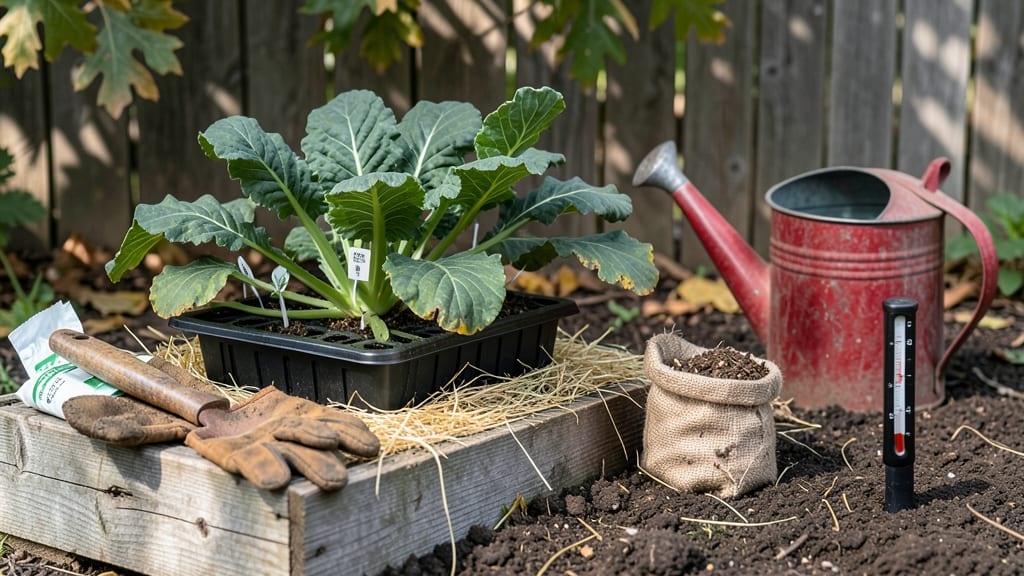
Planting a fall garden in Louisiana between August and October sets you up for a harvest before the first frost—typically around December 1 in Zone 9B.
Louisiana’s long, hot summers can make fall gardening a game-changer—if you plant at the perfect time. Miss the window, and your 🥬 crops will struggle with lingering heat or early frost. But get it right, and you’ll enjoy a bountiful harvest before winter sets in.
With 240 frost-free days in most of the state, you’ve got room to grow heat-tolerant greens like collards or quick-maturing radishes. The key is timing: start seeds indoors in late July for transplants by early August, or direct-sow leafy greens in September for a late fall feast.
Below, I’ll break down the exact planting deadlines by crop, how to prep your soil for Louisiana’s humidity, and why succession planting can add weeks to your harvest season—even if a hurricane disrupts your plans.
Louisiana heat Zone 9B fall planting deadlines by crop type
Timing is everything in Louisiana’s Heat Zone 9B, where summer heat lingers into October. The key is planting cool-season crops early enough to mature before the first frost (typically mid-November) but not so late that they struggle with residual summer heat.
Most fall crops thrive when soil temperatures drop below 80°F—aim for late August to early October for peak success.
Your fall garden in Louisiana can include everything from heat-tolerant greens like collards to frost-sensitive broccoli and cauliflower. The trick is understanding each crop’s days to maturity and aligning it with your local frost date.
For example, radishes (25-30 days) can handle late plantings, while cabbage (90+ days) needs an early start.
Here’s your crop-by-crop planting timeline for Louisiana’s 9B zone, including soil temperature thresholds and harvest windows to maximize your yield before winter sets in.
For heat-tolerant crops like collard greens or turnips, you can push your planting window slightly later—even into early October—since they handle mild fall temperatures better. However, frost-sensitive crops like broccoli or cauliflower must be in the ground by mid-August to avoid stunted growth.
Soil temperature is just as critical as air temperature. Use a soil thermometer to confirm conditions—most cool-season crops prefer soil temps between 60°F and 75°F.
In Louisiana’s humid climate, soil stays warm longer, so don’t rush planting. Wait until nighttime temps consistently drop below 80°F to avoid bolting or poor germination.
Pro tip: Succession planting is your best friend in Louisiana’s short fall window. Sow fast-growing crops like radishes or lettuce every 2-3 weeks from August through September. This ensures a continuous harvest and maximizes your garden space.
For example, plant a batch of radishes in late August for a 30-day harvest, then repeat in early September for another round.
If you’re in coastal Louisiana, where humidity is higher and frost comes later, you can extend your planting window by 1-2 weeks compared to inland areas.
Monitor local frost forecasts and adjust accordingly—some years, the first frost hits as early as late October, while others push it to December.
Don’t forget to harden off seedlings before transplanting. If you started plants indoors or in a greenhouse, acclimate them to outdoor conditions over 7-10 days by gradually increasing their exposure to sunlight and wind.
This step is especially important for delicate greens like spinach or arugula, which can bolt or develop bitter flavors if stressed.
Finally, prioritize well-draining soil to prevent waterlogged roots—a common issue in
How to extend your fall garden season in Louisiana’s humid climate
Louisiana’s mild winters give you a unique advantage for fall gardening—240 frost-free days mean you can grow cool-season crops longer than most northern gardeners.
But the key to success lies in extending your harvest window before the first frost hits around December 1 in Zone 9B. With the right strategies, you can keep growing kale, spinach, and carrots well into November, even in our humid climate.
The secret? Combining succession planting, protective covers, and microclimate management to shield tender plants from unexpected cold snaps. Unlike northern states, Louisiana’s humidity and occasional warm spells can confuse frost predictions—so proactive planning is everything.
I’ve tested these methods in my own garden, and they’ve added 4-6 weeks to my fall harvests, even in cooler-than-average years.
One of my biggest lessons? Don’t wait until October to set up protections. I once lost an entire collard greens patch because I delayed covering them until a 40°F snap hit.
Now, I install row covers by October 1 and monitor the National Weather Service for frost advisories—especially in Zone 8a areas like Natchitoches.
For root crops like carrots and beets, focus on soil warmth rather than frost protection. Plant them by September 15 so they mature before cold sets in. I’ve had success with ‘Danvers’ carrots, which stay crisp even when soil temps drop to 50°F.
Pair them with shade cloth if your garden gets intense afternoon sun—overheated soil can cause forked roots.
Finally, embrace Louisiana’s microclimates. Coastal areas like Lafayette often frost later than inland cities like Shreveport, so adjust your timeline accordingly. If you’re near water, you might gain an extra 10-14 days of growing time.
Always have a backup plan: keep a few seeds indoors under grow lights for a last-resort harvest if frost strikes early.
With these strategies, you’ll turn Louisiana’s humidity and mild winters into your fall garden’s superpower. My kale has lasted until Christmas in some years—proof that the right timing and protection can defy even the most unpredictable weather.