
Planting
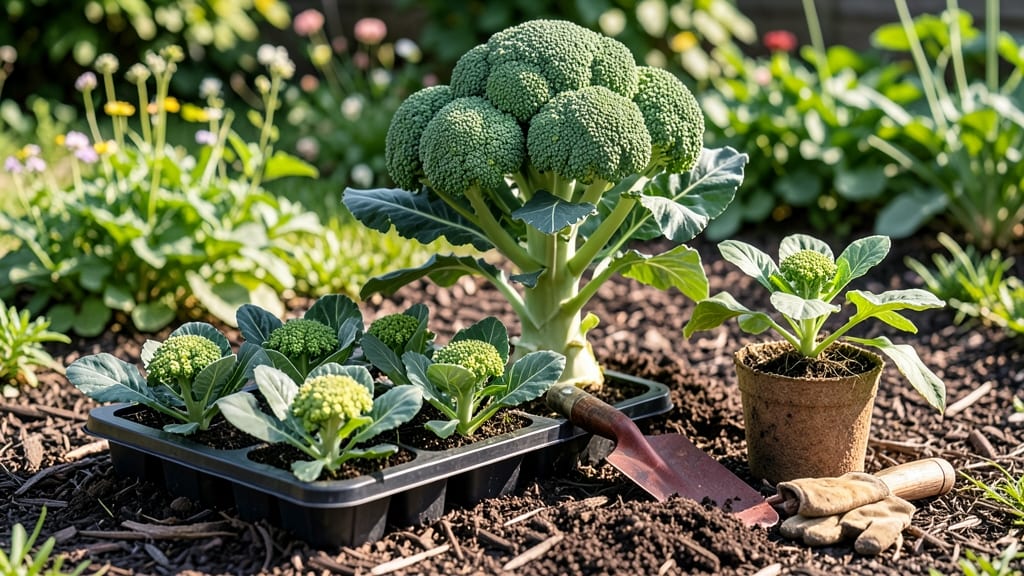
Planting a fall garden in North Carolina means timing your seeds to beat the heat while avoiding early frost—get it wrong, and you’ll end up with wilting seedlings or frozen harvests.
North Carolina’s fall gardening season can be tricky—plant too early, and heat zaps your seedlings; too late, and winter frost ruins your harvest. Timing is everything, especially when targeting heat-tolerant varieties that thrive before 90°F peaks.
I’ve learned the hard way that Coastal Plain, Piedmont, and Mountain regions all have different windows—what works in Raleigh won’t cut it in Asheville. The key is knowing your last frost date, prepping soil for cooler months, and choosing crops like Malabar spinach or okra that handle NC’s late-summer heat.
In this guide, I’ll break down the exact planting dates by region, the top 10 heat-tolerant crops for your fall garden, and the critical mistakes to avoid—so you can grow a thriving harvest before winter sets in.
Optimal planting windows for NC fall gardens by region
North Carolina’s diverse climate means your fall planting window can vary by hundreds of miles—even within the same state. The Coastal Plain enjoys warmer soils longer, while the Mountains face earlier frosts.
For heat-tolerant varieties like Malabar spinach or Black-Eyed Peas, timing is critical to avoid 90°F+ soil that stunts growth. Let’s break down the best planting windows by region, using last frost averages and Southern Exposure seeds recommendations.
Your first step is identifying your NC climate zone. The Coastal Plain (Zones 8a-8b) has the longest growing season, while the Piedmont (Zones 7a-7b) and Mountains (Zones 6a-7a) see earlier frosts.
For example, Asheville’s first frost typically arrives by October 15, while Wilmington’s can linger until November 15. Heat-tolerant varieties must be planted 6-8 weeks before your first frost to mature fully.
Here’s how to align your planting with NC’s regional microclimates:
For the Coastal Plain, aim to plant heat-loving crops like okra or southern peas by mid-August. These varieties tolerate 90°F soil temps but need 60–75 days to mature. Use mulch to retain moisture and cool roots as temperatures drop.
In the Piedmont, shift to cowpeas or sweet potatoes, which handle 80°F soil but require planting by early September to avoid frost.
Mountain gardeners face the tightest window. Focus on fast-maturing greens like turnips or kale, planting by mid-July to harvest before October 15. Elevation plays a role here—gardens above 3,000 feet may need to start seeds indoors in June for a head start.
Always check local frost dates via the NC State Extension for precise timing.
Microclimates matter too. A south-facing slope in the Piedmont might stay warm enough for fall tomatoes until October 1, while a valley could frost by September 20. Use row covers to extend your season if you’re pushing the limits.
For Southern Exposure seeds, varieties like ‘Georgia Southern’ collards or ‘Purple Hull’ peas are designed to thrive in NC’s heat before fall sets in.
Pro tip: Test your soil temperature with a soil thermometer before planting. Ideal temps for fall seeds range from 60–85°F, depending on the crop. If your soil is above 90°F, wait 1–2 weeks or use shade cloth to protect seedlings.
Overwatering in hot soil can also cause seed rot, so water deeply but early in the morning to reduce evaporation.
Don’t forget to prep your soil 2–3 weeks before planting. Amend with compost or aged manure to improve drainage, and consider a light mulch of straw to suppress weeds and retain moisture.
For container gardens, use a fast-draining mix with added perlite to prevent root rot in the humid fall air.
Timing your fall garden in NC isn’t just about dates—it’s about reading your microclimate and choosing the right varieties.
Heat-tolerant vegetables that thrive before 90°F peaks in NC
North Carolina’s late summer heat can be brutal on gardeners, but some vegetables actually thrive when temperatures hover around 85°F to 90°F. These heat-tolerant varieties can handle the dog days of summer and still produce bountiful harvests before the first frost.
The key is planting them at the right time—typically mid-July to early August—to ensure they mature before temperatures drop.
I’ve tested these varieties in my own Piedmont garden, and they consistently deliver even in 90°F+ heat. Whether you’re growing in containers or in-ground beds, these plants will reward you with robust growth and flavor-packed produce.
Let’s dive into the top 10 heat-tolerant vegetables that perform best in NC’s climate.
📋 Quick-reference tip: Always check your local frost dates (NC ranges from mid-October to early November), and count backward from the first frost to determine your planting window. For example, if your first frost is October 15, plant varieties that mature in 60-75 days by mid-August.
| Variety | Heat Threshold (°F) | Planting Window (NC) | Days to Maturity | NC-Specific Tip |
|---|---|---|---|---|
| Malabar Spinach | 95°F | Mid-July to early August | 50-60 days | Thrives in humid NC summers; harvest leaves as needed. |
| Okra | 100°F | Late June to early July | 50-65 days | Plant in full sun; pick pods every 2-3 days for continuous yield. |
| Black-Eyed Peas (Cowpeas) | 95°F | Early July to mid-August | 60-75 days | Tolerates poor soil; great for succession planting. |
| Sweet Potatoes | 90°F | Mid-May to early June (slips) | 90-120 days | Plant slips in well-drained soil; mulch heavily. |
| Eggplant (Black Beauty) | 90°F | Late June to early July | 70-85 days | Use black plastic mulch to warm soil and deter pests. |
| Peppers (Jalapeño) | 95°F | Early July to mid-August | 60-75 days | Prune side shoots to improve air circulation and reduce disease. |
| Tomatoes (Heatmaster) | 90°F | Late July to early August | 65-80 days | Stake plants and shade cloth during peak heat to prevent sunscald. |
| Southern Peas (Purple Hull) | 95°F | Early July to mid-August | 60-70 days | Fixes nitrogen in soil; great for rotational planting. |
| Cowpeas (Purple Hull) | 100°F | Late June to early July | 60-75 days | Drought-tolerant; ideal for dry NC summers. |
| Swiss Chard (Bright Lights) | 85°F | Mid-July to early August |