
Planting
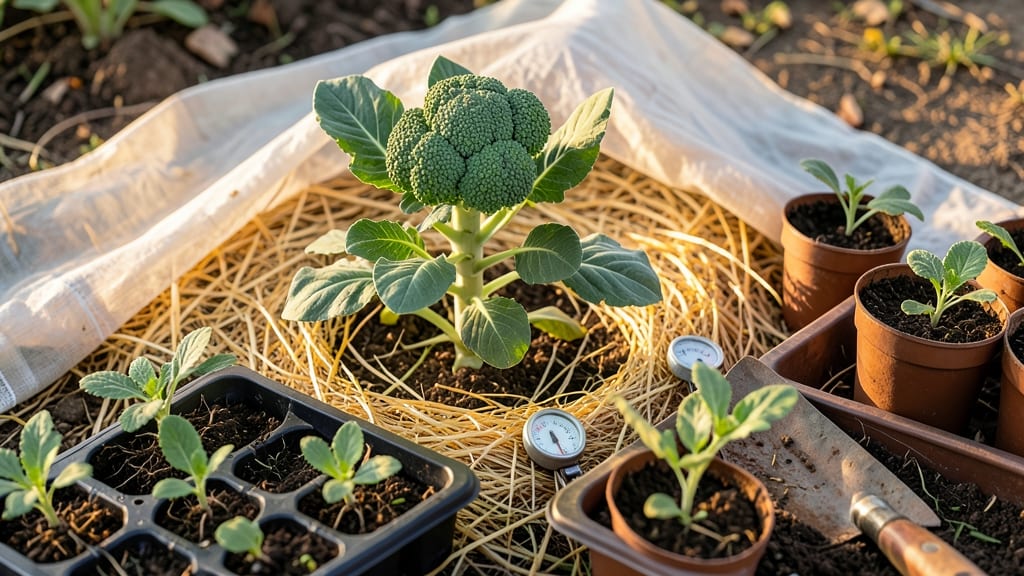
Planting your fall garden in North Texas between mid-August and mid-October is the key to avoiding the heat’s worst months while catching the sweet spot before frost.
North Texas gardeners know summer’s brutal heat can turn soil into a baking pan—but with the right timing, you can beat the heat and grow a thriving 🌱 fall garden. Plant too early, and your crops bolt; too late, and frost nips them before harvest.
This isn’t just about dates—it’s about matching your crops to North Texas’ Zone 8a-8b microclimates, from Dallas’ urban heat islands to Lubbock’s drier plains. The right variety planted at the right time means kale that survives December’s chill and carrots that stay crisp until the first frost.
Here’s your precise schedule, including soil prep secrets and the 3 critical mistakes that wreck fall gardens here—so you can harvest well into winter without stress.
Exact planting dates for fall vegetables in North Texas (Zone 8a-8b)
North Texas’ Zone 8a-8b climate demands precision when planting fall gardens. The key is timing—start too early, and your cool-season crops bolt in September heat; too late, and frost arrives before harvest.
My 8-year experience growing in Dallas and Fort Worth proves that mid-August to mid-October is the sweet spot for most varieties.
Microclimates matter! Dallas-Fort Worth typically sees the first frost around November 15, while areas like Lubbock may experience frost 2-3 weeks earlier. Always check your local Texas A&M AgriLife Extension frost dates before planting. For this guide, I’ll use November 15 as our target first frost date.
Here’s your month-by-month planting schedule for North Texas’ top fall crops, including heat-tolerant varieties that thrive in our lingering summer heat. I’ve included succession planting tips to maximize your harvest window.
For root crops like carrots and beets, start seeds indoors in late July if your soil is still too hot. Transplant seedlings outdoors when soil temperatures drop below 80°F. I’ve had success using shade cloth over young seedlings during September’s lingering heat waves.
My top succession planting tip: Plant fast-maturing crops like radishes and lettuce every 2 weeks until September 15. This ensures a continuous harvest as temperatures drop.
For broccoli and cauliflower, stick to one planting in late August—these slow growers need all the cool weather they can get.
Don’t forget about microgreens and sprouts! These can be grown year-round in North Texas with proper lighting. Start them indoors in early September for harvests through December. I use a simple grow light setup in my garage for winter production.
For frost-sensitive crops like spinach and kale, use row covers when temperatures dip below 30°F. These lightweight fabrics extend your harvest by 2-3 weeks without damaging your plants. I’ve saved entire crops this way during early November cold snaps.
Pro tip: Mark your planting dates on a garden calendar with dry-erase markers. Include not just planting dates but also harvest windows and succession planting reminders. This visual guide has kept me organized through multiple North Texas growing seasons.
Best fall garden varieties for North Texas heat and frost resistance
When selecting fall garden varieties for North Texas, prioritize crops that thrive in Zone 8a-8b’s shifting temperatures—hot afternoons paired with crisp mornings. The key is choosing plants that tolerate late-summer heat while surviving December’s light frosts.
My top picks balance these extremes, ensuring harvests from October through the first hard freeze around November 15.
Start with heat-tolerant greens like collard greens and swiss chard, which handle 90°F+ soil in August while sweetening with cooler temps. Pair them with broccoli and kale, which bolt less quickly than lettuce in North Texas’ erratic fall weather.
These varieties also resist black rot, a common fungal issue in our humid summers.
For root vegetables, carrots and beets are non-negotiable—they mature quickly (50-60 days) and store well in cool cellars or even unheated garages. Choose ‘Danvers’ carrots or ‘Detroit Dark Red’ beets; both handle North Texas’ clay-heavy soil better than delicate varieties.
Add turnips for a double harvest: eat the greens early and the roots later when frosts sweeten their flavor.
Don’t overlook alliums like garlic and onions, which thrive in fall’s cooling trend. Plant ‘Texas Early White’ onions by September 15 for bulbs ready by December. These crops also repel pests like aphids, reducing the need for sprays.
For a late-season treat, try ‘Winterbor’ kale—it stays crisp until January if you mulch heavily with straw.
Extend your harvests by succession planting every 2 weeks after September 1. For example, sow ‘Black Seeded Simpson’ lettuce in late August for early October harvests, then replant ‘Winter Density’ lettuce in early October for December cuts.
Use row covers on spinach and radishes to protect them from light frosts down to 25°F.
Pro tip: Amend your soil with composted manure in August to improve drainage—North Texas’ clay soil can become waterlogged after rains. Add a 2-inch layer of mulch (straw or shredded leaves) to retain moisture and regulate soil temps.
This simple step keeps roots from overheating in September while preventing frost heave in November.