
Planting
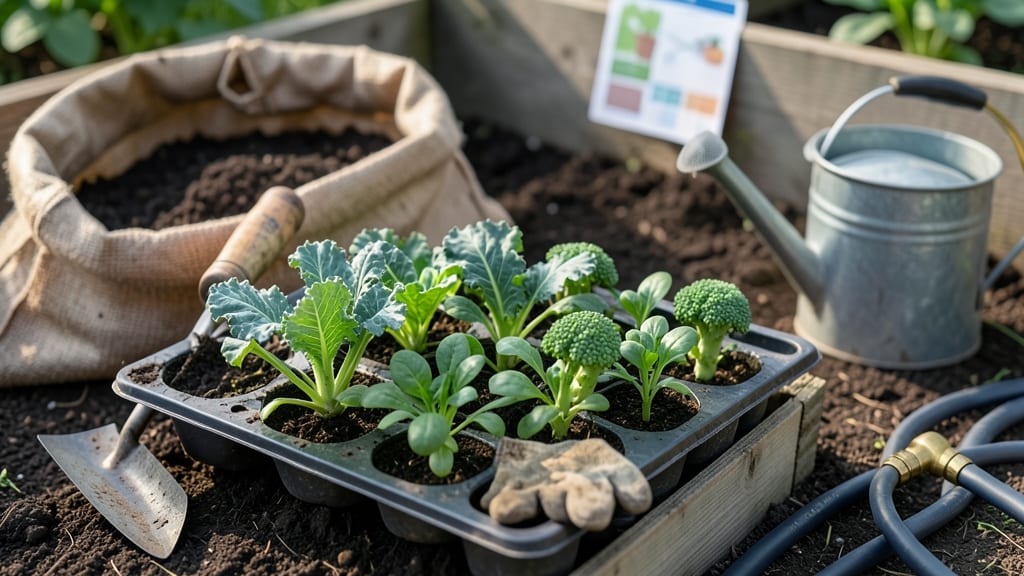
To plant a fall garden in Texas, start seeds indoors 6-8 weeks before your average first frost—typically late July to early August for most regions.
Texas gardeners know the struggle—scorching summers can make planting seem impossible, but fall offers a second chance to grow thriving vegetables. Timing your fall garden correctly means avoiding heat stress while maximizing harvests before winter frost.
This isn’t just about avoiding frost; it’s about working with Texas’s unique climate. North Texas has earlier frosts than South Texas, so your planting window shifts depending on where you live. Even a week off can mean the difference between a bountiful harvest and struggling seedlings.
In this guide, I’ll break down the exact timing for your region, the best heat-resistant crops for fall, and pro tips to stretch your growing season even longer. Let’s get those seeds in the ground before the heat fades for good.
Fall planting timeline in Texas: exact dates by region
Texas gardeners know that timing is everything when it comes to fall planting. The Lone Star State spans multiple USDA zones, from Zone 7a in the Panhandle to Zone 10a in the Rio Grande Valley.
Each region has distinct average first frost dates and soil temperature thresholds that dictate when to plant for optimal success. Getting this right means avoiding heat stress in your seedlings while ensuring they mature before winter chill sets in.
For North Texas (Zones 7b-8a), the fall planting window typically opens between mid-August and early September. This timing allows seedlings to establish roots before temperatures drop below 50°F at night.
In Central Texas (Zones 8a-8b), you can start as early as late July for heat-tolerant crops, with the main planting window extending through mid-October. Meanwhile, South Texas (Zones 8b-10a) offers the longest growing season, with planting possible until early November in some areas.
Soil temperature is a critical factor. Most fall crops thrive when soil temperatures stay above 60°F for root development. In North Texas, aim to plant when daytime highs are consistently below 90°F, while Central and South Texas can handle slightly warmer conditions.
Monitoring these conditions ensures your plants don't experience transplant shock or stunted growth due to extreme heat or cold.
In North Texas, where frost can arrive as early as mid-November, focus on fast-maturing crops like bush beans and radishes that can be harvested in 45-60 days.
Central Texas gardeners have more flexibility but should prioritize planting broccoli and kale by early September to ensure they mature before late November frosts. South Texas gardeners can enjoy a longer season, but even here, cabbage and carrots should be sown by mid-October to avoid winter chill.
Heat-tolerant varieties are your best friend in Texas fall gardens. Plants like Malabar spinach and Okra can handle the late-summer heat, while collard greens and turnips thrive as temperatures cool.
Always check seed packets for days to maturity and work backward from your region's first frost date to determine the best planting window. For example, if your first frost is November 15 and your crop needs 70 days to mature, plant by September 5.
Preparing your soil is just as important as timing. Before planting, conduct a soil test to check pH levels, which should ideally be between 6.0 and 7.0 for most vegetables. Amend the soil with compost or aged manure to improve fertility and drainage.
In regions like North Texas, where soil can dry out quickly, consider adding mulch to retain moisture and regulate soil temperature. This step is crucial for seedlings that struggle in hot, dry conditions.
Watering strategies also vary by region. In North Texas, where rainfall decreases in fall, deep watering every 2-3 days is essential. Central Texas may experience more consistent rainfall, but early morning watering minimizes evaporation.
South Texas gardeners should monitor soil moisture closely, as humidity can lead to fungal issues if plants stay wet too long. Always water at the base of plants to avoid wetting foliage, which can promote disease.
Don't forget about succession planting to extend your harvest. In Central and South Texas, you can make 2-3 plantings of fast-growing crops like lettuce or radishes every 2-3 weeks until mid-October. This technique ensures a continuous supply of fresh produce and maximizes your garden's potential.
Keep a planting journal to track what works best in your microclimate, including notes on soil conditions, watering needs, and pest pressures.
As you plan your fall garden, remember that Texas weather can be unpredictable. Always have a backup plan for late-season heat waves or early frosts. Row covers can protect tender plants from unexpected cold snaps, while shade cloth helps shield seedlings from lingering summer heat.
By aligning your planting schedule with your region's specific conditions, you'll set your fall garden up for success—yielding a bounty of fresh, homegrown produce before winter arrives.
With the right timing and preparation, your Texas fall garden can be just as productive as your spring counterpart. Start early, stay flexible, and enjoy the rewards of a well-tim
Best heat-resistant vegetables for Texas fall gardens
When Texas summers start to ease in late August, it’s time to plant heat-tolerant vegetables that thrive in the lingering warmth before cooler fall temperatures. The right varieties can survive 90°F+ soil temps while still producing bountiful harvests.
My top picks include collard greens, sweet potatoes, and Malabar spinach, all proven winners in Texas gardens.
Leafy greens like Swiss chard and mustard greens handle heat better than lettuce, making them ideal for late-summer planting. Root vegetables such as carrots and beets also perform well when sown early enough to mature before frost. These crops not only survive the heat but also sweeten up as temperatures drop.
For brassicas, broccoli and cauliflower varieties like Waltham 29 and Snowball Y Improved are bred to tolerate warmth better than traditional types. Planting them in late July or early August gives them time to establish roots before cooler weather sets in.
🌱 Heat-Resistant Vegetables: Pros and Cons
- Collard Greens: Thrives in heat, cold-hardy, nutrient-dense
- Sweet Potatoes: Loves Texas heat, drought-tolerant, sweetens in fall
- Malabar Spinach: Heat-resistant, fast-growing, no bolting
- Swiss Chard: Handles heat better than lettuce, colorful stems
- Okra: Loves extreme heat, high-yielding, versatile
- Collard Greens: Needs consistent moisture, slow initial growth
- Sweet Potatoes: Requires long growing season, vulnerable to pests
- Malabar Spinach: Not true spinach (different taste), tender stems
- Swiss Chard: Can bolt in extreme heat without shade
- Okra: Pods can become tough in inconsistent heat
All varieties benefit from mulching and regular watering to maintain soil moisture during Texas heat.
Okra is another standout for Texas gardens—it not only tolerates heat but thrives in it, producing more pods when temperatures stay high. Plant Clemson Spineless or Emerald varieties for reliable yields. These heat-lovers give you a head start on the growing season while other crops struggle.
Don’t overlook peppers either—jalapeños and bell peppers like Carolina Wonder can still produce well when planted in late July. They’ll continue bearing fruit well into fall, even as nights grow cooler. Just be sure to mulch heavily to retain soil warmth and moisture.
For fast harvests, radishes and turnips are excellent choices. Varieties like Cherry Belle radishes and Purple Top White Globe turnips mature quickly—often in 30-40 days—giving you a quick reward before cooler weather arrives. These crops also tolerate light frost, extending your harvest window.
To maximize success, direct-seed heat-tolerant varieties in well-prepared soil with organic matter and drip irrigation. Avoid overhead watering during peak heat to prevent fungal issues. With the right choices, your Texas fall garden can be just as productive as your spring one—if not more so!