
Planting
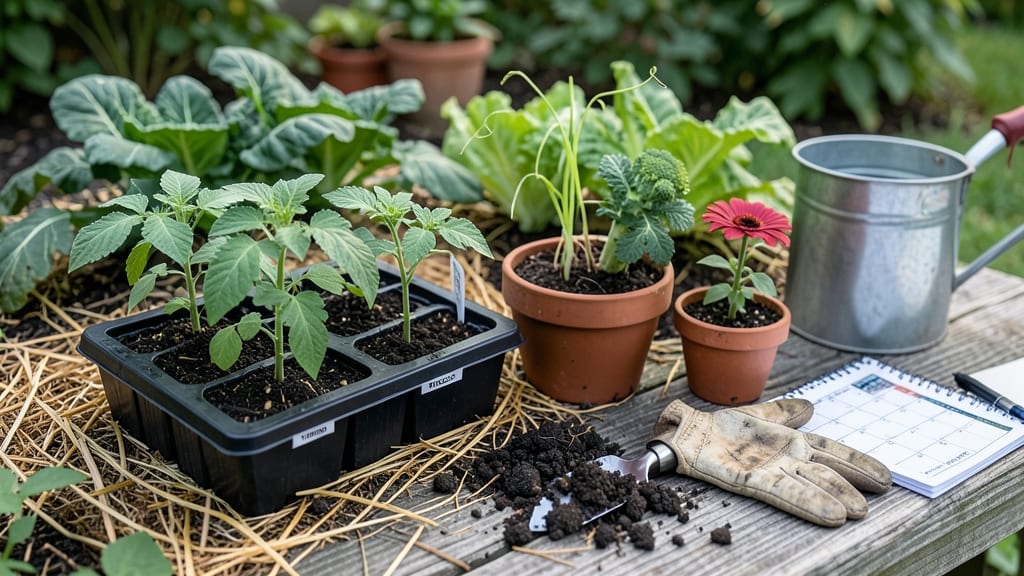
Planting your East Tennessee garden at the right time means the difference between a bumper crop and a sad, frost-nipped failure — and the 6a-7a zone has its own rules.
East Tennessee’s unique climate—with its chilly mountain winters and humid summers—demands precise timing for planting. Get the wrong schedule, and your garden could face frost damage or stunted growth. But master these frost-free deadlines, and you’ll enjoy a thriving harvest all season long.
Cool-season crops like spinach and broccoli need to hit the soil 4-6 weeks before your last frost (usually mid-April), while warm-season favorites like tomatoes and peppers wait until 2-3 weeks after that date. Miss the window, and you’re stuck with leggy seedlings or bolting greens.
Below, I’ll break down the exact planting windows for your county, how to adjust for elevation, and the 3 simple tricks to extend your growing season—so you can eat fresh from your garden from spring to fall.
East Tennessee planting zones: frost dates by county and elevation
East Tennessee spans USDA Hardiness Zones 6b through 7a, creating a complex patchwork of planting windows. The mountains (like Asheville) often experience earlier frosts than the valleys (like Knoxville), while elevation changes can shift frost dates by weeks.
Understanding these nuances is key to avoiding frost damage and maximizing your garden's potential.
For most East Tennessee gardeners, the last spring frost typically arrives between mid-April and early May, while the first fall frost hits between mid-October and early November.
However, these dates can vary by 1-3 weeks depending on whether you're gardening in the Smoky Mountains, the Cumberland Plateau, or the Tennessee Valley.
Elevation matters most. Every 1,000 feet higher you go, expect frost dates to shift 3-5 days earlier. That means a garden at 2,000 feet in the mountains might have a 2-week shorter growing season than one at 500 feet in the valley. This is why microclimates within counties can create wildly different planting schedules.
Let's break down the key frost dates for East Tennessee's major regions. These averages are based on 30-year climate data from NOAA and local agricultural extensions, but always check weekly forecasts in spring and fall for real-time adjustments.
If you're gardening in the Smoky Mountains or Blue Ridge Escarpment, pay special attention to microclimates. South-facing slopes warm up 1-2 weeks earlier in spring, while north-facing valleys can hold frost longer into May.
For precise local data, check the NOAA Frost Prediction Maps or your county's agricultural extension service.
For cool-season crops like lettuce, spinach, and broccoli, I
Best vegetables to plant by month in East Tennessee’s climate
Timing your garden in East Tennessee means balancing cool mountain nights with humid summer heat. The key? Plant cool-season crops early and warm-season favorites after frost danger passes. With 165 frost-free days on average, you can stretch harvests from spring to fall—but only if you follow the right schedule.
Start with spinach and kale in early spring, then transition to tomatoes and peppers by late May. Succession planting (like sowing beans every 2 weeks) keeps your garden productive all season.
Below, I’ve broken down the best month-by-month planting plan for East Tennessee’s USDA Zones 6b-7a, including elevation adjustments for mountain vs. valley gardens.
Pro tip: Use succession planting for beans and lettuce—sow new seeds every 2 weeks to ensure a continuous harvest. For tomatoes and peppers, wait until soil temperatures reach 60°F (use a soil thermometer if unsure) to avoid stunted growth.
In East Tennessee’s humid climate, watch for fungal diseases like early blight on tomatoes. Space plants properly (e.g., 18 inches apart for tomatoes) and water at the base of plants in the morning to prevent leaf diseases from evening moisture.
By following this month-by-month guide, you’ll maximize your garden’s potential and enjoy fresh homegrown veggies from spring through fall—without the risk of frost damage or wasted effort. Happy planting! 🌱