
Planting
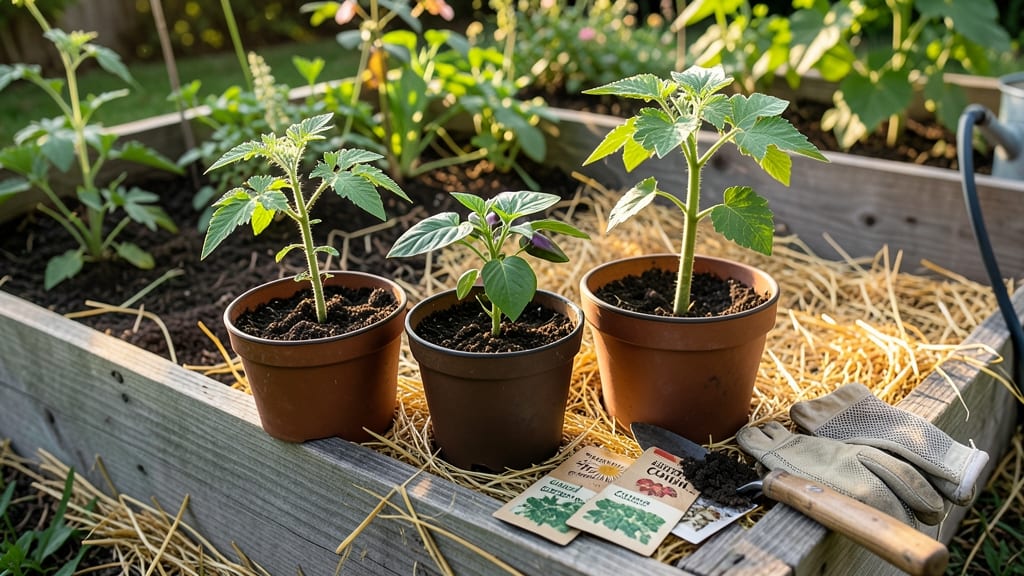
Planting your garden in Tennessee at the right time means the difference between a bountiful harvest and a wasted season—and the exact dates depend on whether you’re in Zone 6, 7, or 8.
Here’s the problem: Tennessee’s climate shifts dramatically from the humid mountains to the warmer plains, and planting too early or late can leave your 🌱 vulnerable to frost or stunted growth. One wrong move, and you’ll be staring at sad seedlings instead of ripe tomatoes.
This guide breaks down the precise frost dates for your zone, so you know when to start cool-season crops like spinach (as early as February in Zone 8) and when to wait for warm-season favorites like peppers (after mid-April in Zone 6).
You’ll also discover how to adjust for Tennessee’s microclimates—whether you’re in the Smokies or Nashville—and the one trick that extends your growing season by weeks. Let’s get started.
Tennessee frost dates by USDA Zone: when to plant cool vs warm season crops
Tennessee’s USDA Zones 6, 7, and 8 create a 100-day difference in frost-free growing seasons. In Zone 6 (eastern mountains), last frosts hit April 15-30, while Zone 8 (Memphis area) rarely sees frost until November 15.
This variation means your cool-season crops like lettuce and warm-season crops like tomatoes need precise timing to thrive.
Understanding these frost dates is critical because planting tomatoes too early in Zone 6 risks frost damage, while spinach planted late in Zone 8 may bolt before harvest. Below, I’ve broken down the exact planting windows for each zone, so you can align your garden with Tennessee’s climate quirks.
🌱 Pro Tip: Use a soil thermometer—warm-season crops like peppers need soil temps above 60°F, while cool-season crops tolerate 40°F+ soils. This small tool saves you from costly mistakes!
For Zone 6 gardeners, cool-season crops like spinach, peas, and broccoli should hit the soil by March 1. These plants tolerate light frosts and even thrive when temperatures dip to 25°F. Meanwhile, warm-season crops like tomatoes and peppers must wait until May 15 to avoid frost damage.
In Zone 7, you gain an extra 2-3 weeks of growing time. Start cool-season crops as early as February 15 for a spring harvest by June. Warm-season crops can go in by April 15, giving you a longer summer growing window.
This zone is ideal for double-cropping—plant radishes in early spring, then beans in their place after harvest.
If you’re in Zone 8, you’re in the sweet spot for year-round gardening. Cool-season crops like kale and carrots can be planted as early as January, and warm-season crops like eggplants can start by March 1.
This extended season lets you grow two full harvests of most vegetables—spring and fall—with minimal risk of frost.
Don’t overlook fall planting, especially in Zones 7 and 8. Cool-season crops like lettuce and Brussels sprouts can be sown as late as August 15 in Zone 7 and September 15 in Zone 8.
These late plantings often produce sweeter, more tender harvests because cooler temps reduce bitterness in greens.
🌿 Key Crop Examples by Zone:
- Zone 6: Plant potatoes in March for harvest by July.
- Zone 7: Sow cucumbers in April for summer pickling.
- Zone 8: Try fall broccoli planted in August for a holiday harvest.
To extend your season further, use row covers or cold frames in Zone 6 to protect early plantings. In Zone 8, black plastic mulch can warm soil faster for earlier warm-season crops. These simple tricks help you push your garden’s limits without risking frost damage.
Finally, always check local frost alerts from the National Weather Service or UT Extension for real-time adjustments. A late frost in May can wipe out tomato seedlings, while an early warm spell might fool you into planting cool crops too late.
When in doubt, err on the side of caution
How to adjust planting dates for Tennessee’s microclimates and soil conditions
Tennessee’s microclimates can throw off even the most experienced gardener. If you’re in the Great Smoky Mountains, your last frost might hit weeks after Nashville’s Zone 7 gardens are already thriving.
Meanwhile, urban gardens in Memphis face heavy clay soils that stay cold longer, while high-altitude areas like Cumberland Gap need earlier starts. Adjusting your planting dates isn’t just about frost dates—it’s about understanding your local soil temperature and terrain.
Start by testing your soil temperature with a simple thermometer. Most warm-season crops like tomatoes and peppers need soil at 60°F or above to germinate. In Tennessee’s Zone 6 areas, this might not happen until late April, while Zone 8 gardens in Jackson could be ready by early March.
Use black plastic mulch or row covers to warm the soil faster in cooler microclimates.
Here’s how to fine-tune your planting schedule for Tennessee’s unique conditions:
- 1 High-Altitude Adjustments: Add 2-3 weeks to your planting timeline if you’re above 2,000 feet (e.g., Great Smoky Mountains). Start cool-season crops like lettuce in February instead of March.
- 2 Urban Clay Soils: Amend heavy clay with compost to improve drainage. Plant warm-season crops like squash 2 weeks later than the average frost date, as clay stays cold longer.
- 3 Row Covers for Early Starts: Use floating row covers to plant cool-season crops like broccoli 4 weeks before your average last frost date. Remove covers when flowers appear to prevent pests.
- 4 Cold Frames for Fall Extensions: Protect late-season crops like kale with a cold frame to extend harvests until November in Zone 7. Remove the frame during the day for ventilation.
- 5 Black Plastic Mulch: Lay black plastic over beds in early spring to warm soil by 10-15°F. Ideal for tomatoes and peppers in cooler microclimates like Chattanooga.
Don’t overlook microclimates within your yard. A south-facing wall can create a warmer zone perfect for heat-loving plants like basil, while a shady spot under trees might only support partial-sun crops like Swiss chard.
Use these microclimates to extend your growing season by planting heat lovers early in warm spots and cool-season crops late in shaded areas.
For clay-heavy soils, mix in organic matter like leaf mold or well-rotted manure to improve drainage. This helps roots warm up faster in spring, allowing you to plant warm-season crops closer to the average frost date.
If your soil is still below 60°F in early May, wait—your seeds will rot in cold soil.
Pro tip: Keep a garden journal to track when your local microclimate is ready for planting. Note the dates you use row covers or mulch, and adjust future years based on your observations. With these tweaks, you’ll maximize your harvest no matter where in Tennessee you garden. 🌱