
Planting
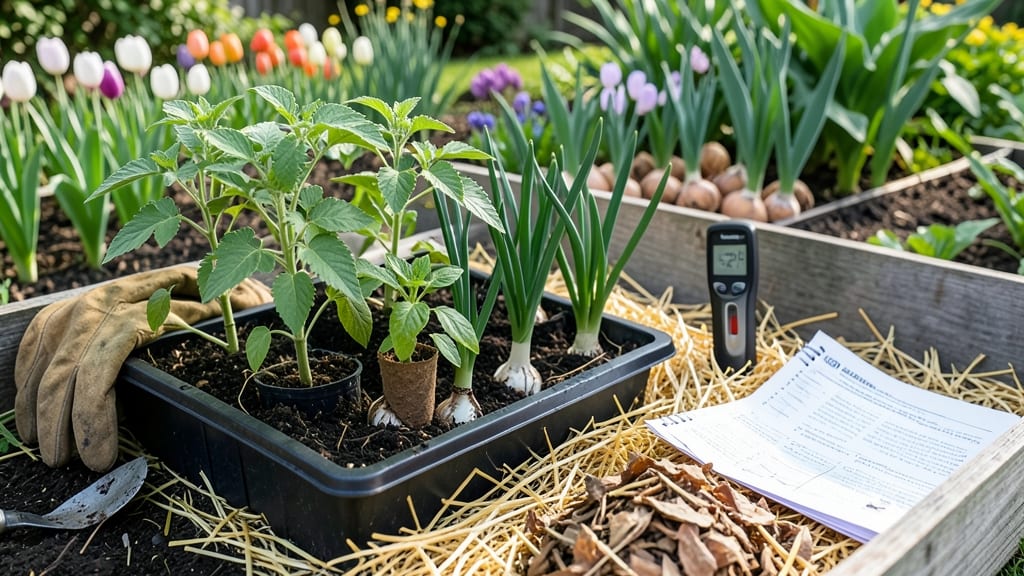
Planting a garden in Indiana at the right time means the difference between a bountiful harvest and a season of missed opportunities — and the best window opens as soon as the soil warms up.
Indiana’s unpredictable spring weather can turn even the most eager gardener into a second-guesser—but timing your plantings right means the difference between a thriving harvest and a wasted season.
Whether you’re sowing cool-season crops like spinach or waiting for the heat to plant tomatoes, getting the timing down to the week matters.
With USDA Zones 5 and 6 across the state, your planting schedule shifts from north to south, and even a late frost can derail your plans. The key is knowing your last frost date, prepping the soil early, and having a backup plan for those unpredictable Hoosier spring surprises.
In this guide, I’ll break down the exact months to plant everything from vegetables to perennials, how to adjust for Indiana’s quirky weather, and the fastest-growing crops that make up for a short season. Let’s get your garden off to the right start!
Indiana planting Zones 5 & 6: exact timelines by season for maximum yield
Indiana's USDA Zones 5 and 6 offer a 120-150 frost-free day growing season, making precise planting timing critical for success. The average last frost date ranges from April 15 (southern IN) to May 15 (northern IN), while the first frost typically arrives between October 15-30.
Understanding these windows helps you avoid frost damage to tender plants while maximizing harvest potential.
For cool-season crops like lettuce and peas, you'll have two planting windows: early spring (March-April) and late summer (August-September). Meanwhile, warm-season crops such as tomatoes and peppers need to wait until after your last frost date when soil temperatures reach 60°F+.
Let's break down the exact monthly schedule for each plant category.
📅 PRO TIP: Use row covers to extend early spring planting by 2-3 weeks and protect fall crops from light frosts. Always check your local Purdue Extension office for microclimate-specific frost date updates each year.
Your spring planting should begin with cool-hardy crops like peas and spinach in March, even if you're still seeing light frosts. These biennial or perennial plants can handle 28°F temperatures and will establish quickly.
For warm-season vegetables, start tomato and pepper seeds indoors by April 1—they need 6-8 weeks of warm conditions before transplanting.
Once your last frost date passes (typically mid-to-late May), you can direct-sow warm-season crops like corn, beans, and cucumbers. These plants won't tolerate frost and need consistent soil temperatures above 60°F. Use a soil thermometer to confirm—if it's below 55°F, wait another week.
Don't overlook succession planting in summer! Fast-growing crops like radishes (25 days) and bush beans (50 days) can be sown every 2-3 weeks through July to ensure a continuous harvest. This maximizes garden space and prevents gluts of produce all at once.
Fall planting in Indiana offers a second chance for cool-season crops. Begin 60-70 days before your first frost (typically mid-August) with broccoli, cabbage, and kale. These plants thrive in cooler weather and can even sweetened by frost.
For overwintering crops like garlic and asparagus, plant by October 1 to establish strong roots before winter.
🌡️ WATCH FOR: Indiana's unpredictable late frosts can strike as late as May 20 in some years. Use frost cloth or row covers for frost-sensitive plants until you're confident the danger has passed. Similarly, early September frosts can damage tender fall crops—be
How to adjust planting dates for Indiana’s unpredictable weather patterns
Indiana’s unpredictable spring frosts and summer heatwaves can throw off even the most experienced gardener’s schedule. I’ve learned that flexibility is key—what worked last year might fail this year, and that’s okay. The trick is knowing how to adjust planting dates without sacrificing your harvest.
Whether you’re dealing with a late frost in May or an early chill in September, these strategies will help you stay ahead of Mother Nature.
First, always check the USDA Plant Hardiness Zone Map for your specific Indiana location. Most of the state falls in Zones 5b and 6a, but microclimates near lakes or urban areas can shift your frost dates by 1-2 weeks.
For example, Northern Indiana might see its last frost in early May, while Southern Indiana could be frost-free by mid-April. Start by noting your local average last frost date—then add a buffer for safety.
⚠️ WARNING: DON’T PLANT TOO EARLY! ⚠️
One of my favorite tools for extending Indiana’s growing season is season extenders. A simple row cover or cold frame can push your planting window by 3-4 weeks in spring and 2-3 weeks in fall.
For example, I plant lettuce and radishes under row covers in early March, and they’re ready to harvest before the frost-free date.
If you’re growing tomatoes or peppers, start them indoors 8-10 weeks before your last frost date, then transplant them after Memorial Day—when the soil is consistently 50°F or warmer.
For drought-prone summers, adjust your planting schedule to avoid the hottest months. Instead of planting heat-sensitive crops like cucumbers in July, opt for succession planting in May and early June. Choose drought-tolerant varieties like zucchini, Swiss chard, or black-eyed peas, which thrive in Indiana’s hot, humid conditions.
If a heatwave strikes, provide shade cloth and mulch heavily to retain moisture. I’ve also had success with drip irrigation on a timer to keep plants hydrated without wasting water.
If your early crops fail due to frost or disease, don’t panic—replant! Indiana’s short growing season means you can often squeeze in a second planting of fast-growing crops like bush beans, radishes, or lettuce by late June or early July.
Just make sure to choose varieties with a shorter maturity date (under 50 days) to ensure they mature before the first frost in October. Keep a replanting checklist handy, and always test your soil’s pH and nutrient levels before adding new seeds.
Finally, pay attention to microclimates in your garden. A south-facing wall or raised bed can warm up faster in spring, allowing you to plant earlier. I’ve even used black plastic mulch to raise soil temperatures by 5-10°F, giving warm-season crops a head start.
By combining these strategies—adjusting dates, using season extenders, and replanting smartly—you’ll turn Indiana’s unpredictable weather into an advantage. Happy gardening! 🌱