
Planting
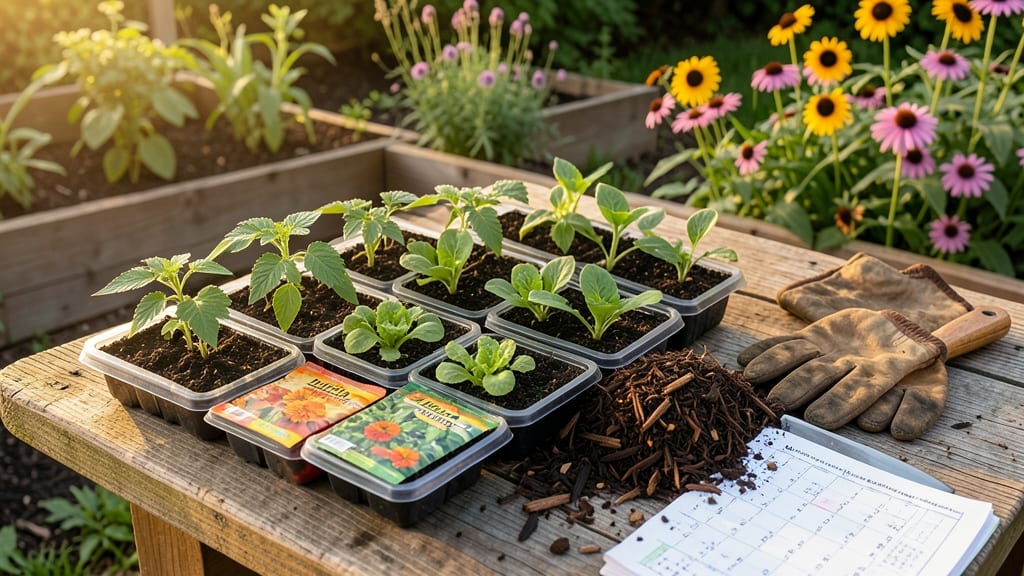
Planting your garden in Kentucky at the right time means the difference between a thriving harvest and a frost-killed disappointment.
Kentucky gardeners know timing is everything—plant too early and frost will ruin your hard work, but wait too long and your harvest season shrinks. Mastering the last frost dates for your area ensures you start seeds and transplant with confidence, maximizing yields from tomatoes to tulips.
With USDA Zones 6-8 across the state, your planting window varies from mid-March in the Bluegrass to late April on the Cumberland Plateau. That’s why knowing your local frost dates—and how to adjust for microclimates—is the key to avoiding common mistakes like bolting lettuce or stunted peppers.
In this guide, I’ll break down the exact weeks to plant everything from cool-season greens to heat-loving okra, plus how to use Kentucky’s Mesonet weather tools to fine-tune your schedule. No more guessing—just a foolproof plan for your 🌱 garden to thrive.
Kentucky’s last frost dates by region: critical planting windows
Kentucky’s diverse climate—spanning USDA Zones 6a to 8a—means frost dates vary dramatically from the Bluegrass Region to the Cumberland Plateau. Knowing your last average frost date is the key to timing everything from seed starting to transplanting.
In Louisville’s Zone 7a, for example, the last frost typically arrives by April 15, while in Paducah (Zone 7b), it’s often two weeks later. These regional differences can mean the difference between a bountiful harvest and lost plants.
For gardeners in rural areas, microclimates can shift frost dates by 5-10 days—valleys hold cold air longer, while urban heat islands may warm soil faster. Always check local weather stations like the Kentucky Mesonet for real-time adjustments.
Even a single late frost in May can devastate tender seedlings like tomatoes or peppers, so planning ahead is non-negotiable.
Here’s how to use this data: Cool-season crops (spinach, peas, lettuce) can handle light frosts and should go in 4-6 weeks before your last frost. Warm-season crops (tomatoes, beans, cucumbers) need soil temperatures above 60°F and should wait until 2 weeks after your last frost.
Perennials like asparagus or strawberries have their own timing rules—plant crowns in early spring but avoid late frosts that can damage emerging shoots.
If you’re in Zone 7a or warmer, you can push the envelope with early warm-season crops like peppers or eggplants. Start seeds indoors in mid-March and transplant after your last frost—just be ready to cover young plants with frost cloth if late frosts linger.
For Zone 6b or cooler, play it safer: wait until May 1 for heat-lovers like tomatoes, or opt for cold-hardy varieties like 'Stupice' tomatoes, which tolerate 28°F.
Don’t forget about fall planting—Kentucky’s second growing season is just as productive. In Zone 7a, you can direct-sow broccoli or kale as early as August 15 for a harvest before winter.
Use these frost dates in reverse: count back 60 days from your first frost to determine your last planting window. For example, if your first frost is October 15, your last planting date for fast growers like radishes is August 20.
For urban gardeners, concrete and buildings create heat pockets that can trick plants into thinking spring has arrived. Test your soil temperature with a soil thermometer—warm-season crops need 60-65°F for roots to establish.
If your soil is cold but the calendar says it’s safe, wait another week. Rural gardens in valleys or near lakes may need to adjust 10 days later than official frost dates, as cold air pools in low areas.
Pro tip: Use Kentucky State University Extension’s frost date calculator for hyper-localized advice. Their tools account for elevation changes (like the Daniel Boone National Forest areas) and historical data. Even a 5°F difference can shift your planting window by a week—don’t guess, verify. The Kentucky Mesonet also
Best planting schedule for Kentucky gardens: what to sow when
Kentucky’s diverse climate zones (USDA 6-8) mean your planting schedule should adapt from the Bluegrass Region to the Cumberland Plateau. Cool-season crops like lettuce and peas thrive in early spring, while heat-lovers such as okra and sweet potatoes need summer’s warmth.
Even within these zones, microclimates—like urban heat islands—can shift planting windows by 1-2 weeks.
Start with last frost dates: Northern Kentucky averages April 15, while Southern Kentucky sees March 20. Use these as your cool-season launchpad for hardy crops, then transition to warm-season transplants after soil reaches 60°F.
Succession planting every 2 weeks ensures continuous harvests, whether you’re growing bush beans or zucchini.
🌱 Kentucky Planting Timeline
- March-April: Direct sow peas, spinach, and radishes 4-6 weeks before last frost. Transplant broccoli and cabbage seedlings.
- May: After last frost, sow carrots, beets, and lettuce. Transplant tomatoes, peppers, and eggplants when soil is 60°F+.
- June-July: Direct sow okra, southern peas, and sweet potatoes. Succession plant bush beans and cucumbers every 2 weeks.
- August-September: Sow fall broccoli, kale, and turnips for harvest before first frost (October 15-November 1).
- October-November: Plant garlic and spring onions for next year’s harvest. Use row covers to extend harvests.
🌿 Pro Tip: Kentucky’s humidity demands good airflow—space plants properly to prevent fungal diseases.
For flowers and herbs, timing matters too. Plant marigolds and basil after last frost for pest control and flavor, while perennials like lavender thrive when transplanted in early spring or fall. Use cold frames to start tender perennials like fuchsias indoors in February.
Extend your season with row covers or low tunnels—these can push spring planting 2-3 weeks earlier and fall harvests 4-6 weeks later. For example, spinach and kale can tolerate light frosts, so sow them in late summer for a winter harvest under protection.
Monitor soil temperatures with a soil thermometer—50°F is ideal for cool-season crops, while 70°F+ is needed for tomatoes and peppers. In Kentucky’s variable climate, having a backup plan (like greenhouse starts) ensures you’re never left without fresh produce.
Don’t forget herbs! Cilantro bolts in heat, so sow it in early spring or fall, while oregano and thyme are perennial workhorses that thrive with minimal fuss. With this schedule, your Kentucky garden will be bursting with color and flavor from spring to frost.