
Planting
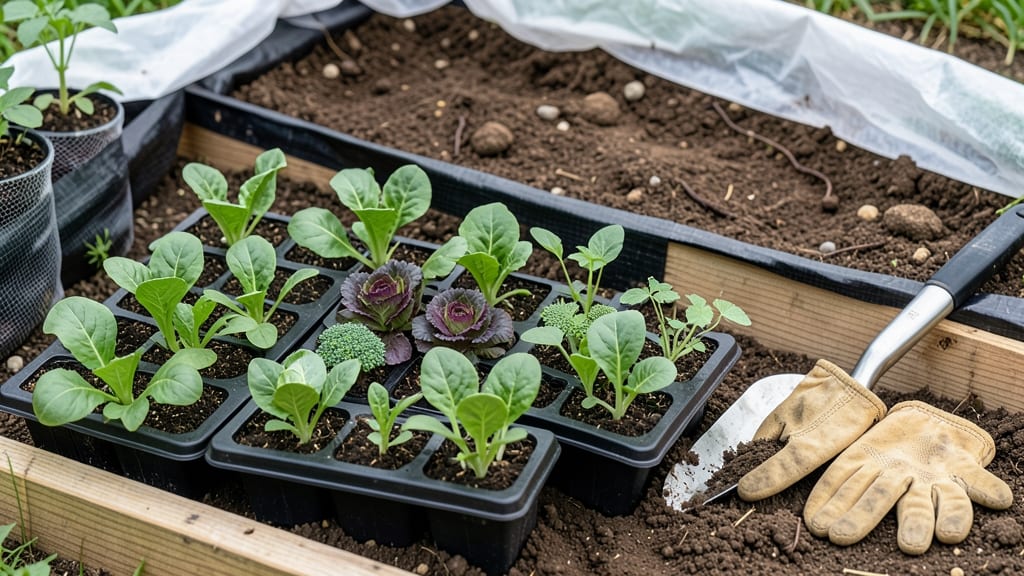
Planting a garden in Wisconsin at the right time means the difference between a thriving harvest and a frostbitten failure — and the last spring frost is your true north.
Wisconsin’s unpredictable frost dates can turn a thriving garden into a frostbitten disappointment—or transform your harvest into a bountiful success. Timing your planting perfectly means the difference between wilting seedlings and flourishing plants.
With USDA Zones 3-5 spanning the state, your planting window shifts dramatically from the southern tip to the northern border. Even within a single region, microclimates—like urban heat islands or sheltered valleys—can push your ideal dates by two weeks or more.
In this guide, I’ll break down the exact frost-date windows by region, the best planting schedule for vegetables, flowers, and perennials, and the smart tricks to extend your growing season when Wisconsin’s short summer feels too brief.
Wisconsin frost dates by region: critical planting windows for vegetables, flowers, and herbs
Wisconsin’s frost dates vary dramatically across its three distinct regions, creating unique planting challenges. Whether you're in Southern Wisconsin (Zone 5), Central Wisconsin (Zone 4), or Northern Wisconsin (Zone 3), knowing your average last frost date and first frost date is essential for timing your garden correctly.
The Southern region enjoys the longest growing season, while the Northern region faces some of the earliest frosts. Even within regions, microclimates near lakes or urban areas can shift frost dates by 1-2 weeks.
For example, Madison typically sees its last frost by April 25, while Duluth might still experience frost until May 20.
Understanding these planting windows helps you avoid common mistakes like planting warm-season crops too early or cool-season crops too late. Let’s break down the critical frost dates and ideal planting periods for each region to maximize your garden's potential.
Here’s a comparison of frost dates and planting windows across Wisconsin’s three regions, including recommendations for both vegetables and flowers.
In Southern Wisconsin, where the growing season stretches to nearly 6 months, you can start planting cool-season crops like spinach and kale as early as mid-March. By mid-May, the soil warms enough for tomatoes, peppers, and cucumbers to thrive.
The longer season also allows for succession planting of beans and lettuce throughout summer.
For Central Wisconsin, where frosts linger longer, focus on hardy varieties of vegetables like broccoli and carrots for early spring plantings. Wait until late May to transplant warm-season crops, and consider using black plastic mulch to warm the soil faster.
The shorter season means prioritizing fast-maturing varieties like bush beans or radishes.
In Northern Wisconsin, the 110-130 day growing season demands even more caution. Start cool-season crops indoors by early April and transplant outdoors only after mid-May. Warm-season crops like peppers and eggplants may struggle unless you use row covers or a greenhouse.
Focus on cold-hardy herbs like parsley and chives, which tolerate frost better than most annuals.
Perennials and ornamental flowers also follow regional frost patterns.
In Southern Wisconsin, you can plant daylilies and coneflowers as early as April, while in the North, wait until mid-May to avoid frost damage. Bulbs like tulips should be planted in fall (September-October) across all regions to establish roots before winter.
Pro tip: Use a frost calendar from your local Cooperative Extension office for hyper-localized advice. They
Best planting schedule for Wisconsin gardens: month-by-month guide by plant type
Wisconsin’s short growing season demands precise timing to maximize your garden’s potential. Whether you’re planting cool-season crops like lettuce or warm-season favorites like tomatoes, knowing the right planting windows ensures success. I’ve broken down the schedule by plant type and frost tolerance, so you can plan with confidence.
Start with hardy perennials in early spring, when soil temperatures reach 45°F (7°C). These plants establish roots before summer heat arrives. For annual vegetables, timing varies dramatically—some thrive in cool weather, while others need warmth to germinate.
Let’s dive into the month-by-month details to keep your garden thriving all season.
| Plant Type | Frost Tolerance | Best Planting Months | Notes |
|---|---|---|---|
| Lettuce, Spinach, Kale | Hardy | March–April (spring), August–September (fall) | Sow seeds directly; avoid summer heat. |
| Tomatoes, Peppers, Eggplants | Tender | May–June (after last frost) | Start indoors 6–8 weeks before transplanting. |
| Beans, Peas, Corn | Semi-hardy | May–July (warm soil required) | Direct sow after soil warms to 60°F (15°C). |
| Perennials (Asclepias, Coneflowers) | Hardy | April–May (spring) | Plant bare-root or potted plants before buds swell. |
| Herbs (Basil, Cilantro) | Semi-hardy | April–May (basil); March–April (cilantro) | Basil needs warmth; cilantro bolts in heat. |
For cool-season crops, like lettuce and spinach, I recommend planting in March or April for spring harvests. These plants tolerate light frosts, so don’t rush—wait until soil temperatures stabilize. In August or September, you can plant another round for a fall harvest before the first frost hits.
Warm-season crops, such as tomatoes and peppers, need to wait until after the last frost date, typically mid-May in most of Wisconsin. Start seeds indoors in March or April to give them a head start. Transplant seedlings outdoors only when nighttime temperatures consistently stay above 50°F (10°C).
Don’t overlook succession planting for crops like beans and peas. Sow seeds every 2–3 weeks from May through July to ensure a continuous harvest. This strategy works especially well in Wisconsin’s short season, where timing is everything.
For perennials, early spring planting gives roots time to establish before summer’s intensity.
Always check your local last frost date—it can vary by 1–2 weeks across Wisconsin’s regions. Use a frost calendar or ask your local extension office for precise guidance. With this schedule, your garden will thrive from spring to fall, no matter where you are in the state.