
Planting
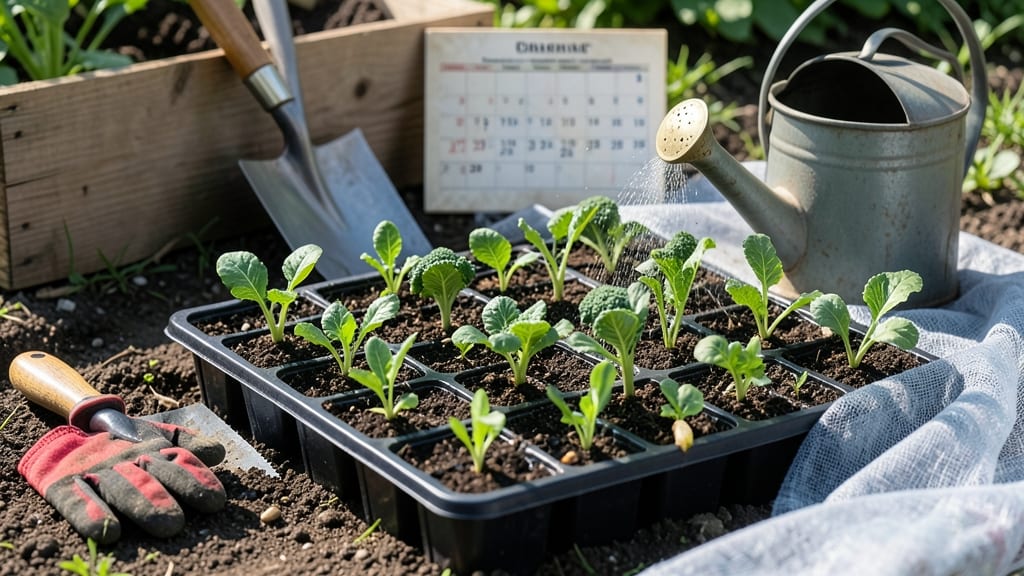
To plant a garden in Zone 7 successfully, timing is everything—cool-season crops need to go in 4–6 weeks before your last frost, while warm-season plants wait until 2–3 weeks after.
Zone 7 gardeners know timing is everything—plant too early and risk frost, too late and miss the growing season. Whether you’re sowing 🌱 lettuce in spring or tomatoes in summer, getting the dates right means the difference between a thriving garden and a wasted season.
This guide breaks down the exact planting windows for vegetables, flowers, and perennials in Zone 7 (7a-7b), including adjustments for microclimates like urban heat islands or high-altitude spots. No more guessing—just science-backed dates to maximize your harvest.
You’ll learn how to time cool-season crops like spinach and kale for early spring and fall, when to sow warm-season favorites like peppers and beans, and even how to stretch your growing season with row covers or succession planting. Ready to turn your garden into a year-round success?
Zone 7 planting calendar: exact dates for vegetables, flowers, and herbs
Mastering the Zone 7 planting calendar means knowing your last frost date (typically March 15 for Zone 7a and March 1 for Zone 7b) and soil temperatures. These factors determine whether you're planting cool-season crops in early spring or warm-season crops after the frost risk passes.
Get it wrong, and you'll either lose seedlings to frost or watch plants struggle in unseasonably cold soil.
For Zone 7 gardeners, success hinges on two key windows: spring planting (March–May) for cool-loving plants and fall planting (August–October) for a second harvest. Warm-season crops like tomatoes and peppers need to wait until soil reaches 60°F+, usually by late April or early May.
Meanwhile, perennials and hardy annuals can often be planted in early spring or fall for established root growth.
Here’s your Zone 7 planting schedule broken down by crop type, with exact dates and soil temperature requirements to avoid common mistakes. Use this as your go-to guide for vegetables, flowers, and herbs in your region.
🌱
| Plant Type | Planting Window | Soil Temp (°F) | Last Frost Buffer | Notes |
|---|---|---|---|---|
| Cool-Season Vegetables (Lettuce, Spinach, Kale, Peas) | March 1–April 15 (Spring) / August 15–September 15 (Fall) | 40–50°F | 4–6 weeks before last frost | Direct sow or transplant seedlings. Avoid bolting in summer heat. |
| Warm-Season Vegetables (Tomatoes, Peppers, Cucumbers, Beans) | April 15–May 15 (After last frost) | 60–70°F | 2–3 weeks after last frost | Start indoors 6–8 weeks before transplanting. Use row covers for early starts. |
| Herbs (Basil, Cilantro, Parsley) | March 15–April 15 (Spring) / August 1–September 1 (Fall) | 50–60°F | 3–4 weeks before last frost (spring) / 8 weeks before first frost (fall) | Basil needs warm soil; cilantro bolts in heat. Succession plant every 2 weeks. |
| Annual Flowers (Marigolds, Zinnias, Sunflowers) | April 1–May 15 (After frost risk) | 55–65°F | No buffer needed (hardy after frost) | Direct sow or transplant after soil warms. Deadhead for continuous blooms. |
| Perennials (Daylilies, Coneflowers, Lavender) | March 1–April 30 (Spring) / September 1–October 15 (Fall) | 50°F+ | No buffer (established roots tolerate frost) | Plant in well-draining soil. Mulch after planting to protect roots. |
| Fall Crops (Kale, Carrots, Radishes) | August 1–September 15 | 50–60°F | 8–10 weeks before first frost | Sow directly for best flavor. Use row covers to extend harvest into winter. |
Your Zone 7 planting schedule isn’t just about dates—it’s about soil temperature and microclimates. For example, tomatoes and peppers won’t thrive if planted before soil reaches 60°F, even if the air is warm.
Use a soil thermometer to check; most garden centers sell them for under $10. If your soil is slow to warm, consider using black plastic mulch or row covers to speed up the process.
For cool-season crops like lettuce and spinach, the key is planting 4–6 weeks before your last frost date. This gives seedlings time to establish roots before temperatures rise. In Zone 7, that means starting in early March for most areas.
If you’re in a coastal Zone 7 (like near the Pacific Northwest), your frost dates may be later—adjust accordingly. Inland areas often have earlier frosts, so err on the side of caution.
Don’t overlook fall planting—it’s a gardener’s secret weapon for a second harvest. Kale, carrots, and radishes thrive in cooler weather and can be sown as late as September 15 in Zone 7.
These crops often taste sweeter after a light frost, and you’ll avoid the summer heat that causes bolting in greens. Plan to harvest before the first frost (November 1–15), or use row covers
How to adjust planting times for early or late Zone 7 seasons
Zone 7’s unpredictable frost dates can throw off even the most experienced gardener. One year, your last frost might arrive by March 1, while the next, it lingers until April 15.
Learning to adjust planting times ensures your cool-season crops like broccoli and warm-season favorites like peppers thrive despite Mother Nature’s whims.
Instead of sticking rigidly to a calendar, use seasonal extensions like row covers, cold frames, or succession planting. These techniques let you shift planting windows by 2–4 weeks, giving you flexibility when early frosts or late warm spells disrupt your plans.
Think of it as a growing-season insurance policy—because in gardening, timing isn’t just about the clock, it’s about reading the weather.
If your Zone 7a area experiences an early frost in October, don’t give up on a fall garden. Use low tunnels (mini cold frames) to protect cabbage or carrots until December.
These simple structures create a microclimate that shields plants from frost while still allowing sunlight. Even a $20 hoop house can add 30+ days to your growing season.
For warm-season crops like peppers and eggplants, late springs can be just as tricky. If your soil stays cold past your usual planting date, try container gardening. Fill pots with heat-absorbing materials like black plastic-lined containers or even dark-colored fabric to warm the soil faster.
Place them in the sunniest spot and plant transplants as soon as the soil reaches 65°F.
Remember, microclimates play a huge role. A south-facing wall can add 10°F of warmth, while a shady spot might delay planting by 2 weeks. Scout your garden in early spring to identify these zones—then adjust your planting schedule accordingly.
With these season-extending tricks, you’ll turn Zone 7’s unpredictable weather into an advantage. 🌱