
Tools
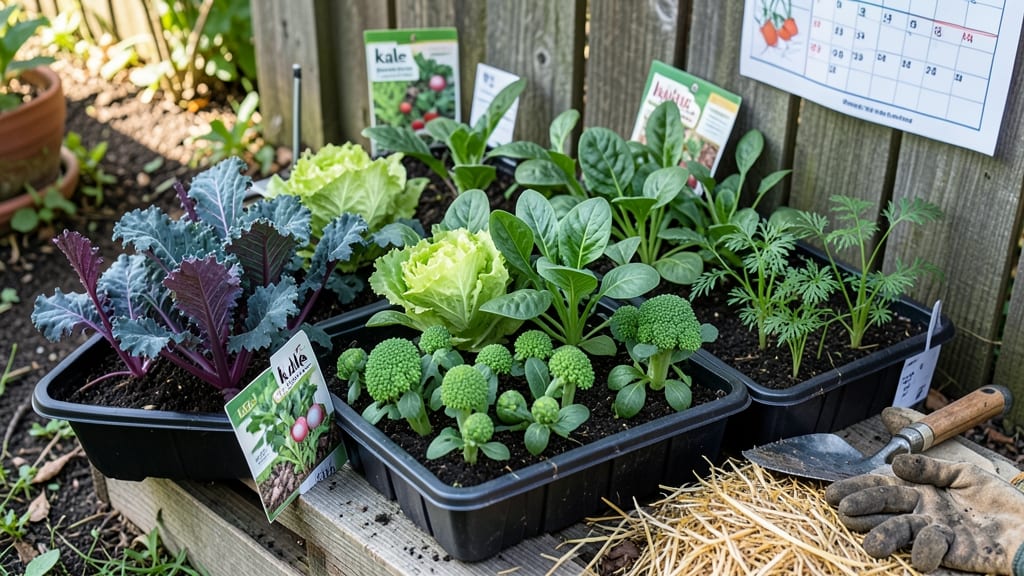
To start a fall garden, begin planting 4-6 weeks before your first frost—typically mid-August in USDA Zone 6, but adjust for your region’s last heatwave.
Timing your fall garden correctly means the difference between a bumper harvest and wasted effort—plant too early, and your crops bolt in the heat; too late, and frost ruins your hard work.
Most heat-tolerant Fall Garden Vegetables (General) like okra, sweet potatoes, and malabar spinach need warm soil to germinate, but they’ll also bolt if temperatures stay above 85°F for too long.
Below, I’ll walk you through the exact planting windows by crop, how to extend your season with row covers, and the 5 biggest mistakes that kill fall gardens before they even begin.
Best fall crops and their exact planting windows by region
Fall gardening thrives when you focus on heat-tolerant crops that mature before the first frost. These plants—like okra, sweet potatoes, and black-eyed peas—need precise timing to avoid bolting or frost damage.
Your USDA zone determines the exact window, but soil temperature is equally critical. For example, okra seeds won’t sprout below 70°F, while sweet potato slips need 65°F+ soil to establish roots.
To calculate your planting window, subtract the crop’s days to maturity from your average first frost date. Most regions in USDA zones 5-10 have frost dates between October 15 and November 30.
For instance, in Zone 7 (first frost ~October 25), plant okra (50-65 days to maturity) by September 10 to harvest before frost. Adjust for your zone using the table below.
In USDA zones 5-6, where frost arrives earlier (late September to October), prioritize fast-maturing varieties. For example, black-eyed peas (50-70 days to maturity) can be planted by August 1 in Zone 6 (first frost ~October 15).
Use row covers to extend harvests by 2-3 weeks if temperatures dip below 32°F. In warmer zones (8-10), you have flexibility—okra and peppers can be planted as late as September 15 in Zone 10.
Soil temperature is just as critical as air temperature. Use a soil thermometer to confirm readiness—
How to extend your fall garden season without risking frost damage
Even after summer's peak, your garden can keep producing with the right strategies. The key is protecting heat-loving crops while gradually transitioning to cooler weather. I've found that combining succession planting with protective coverings can extend harvests by 4-6 weeks in most climates.
Start by identifying your last frost date and working backward. For example, in USDA Zone 7, where first frost typically arrives October 15, you'd plant fast-maturing crops like bush beans by early August. This timing ensures they mature before temperatures drop below 40°F.
Succession Planting Strategy
Plant fast-maturing varieties (e.g., bush beans) every 2-3 weeks to stagger harvests. Example: Start first batch 120 days before frost, follow with 90-day varieties 3 weeks later.
Row Covers and Low Tunnels
Use lightweight row covers to protect seedlings from light frosts (down to 28°F) and extend harvest by 2-4 weeks. Secure edges with soil or bricks to prevent heat bucketing.
Cold Frames for Late Harvests
Build or buy a cold frame to create a microclimate that stays 10-15°F warmer than outside. Ideal for leafy greens and root vegetables like carrots and beets.
Companion Planting for Frost Protection
Pair heat-lovers with cold-hardy companions. For example, plant okra near collard greens—the greens act as a living mulch, slowing soil temperature drops.
For okra and sweet potatoes, I recommend using black plastic mulch to maintain soil warmth. This simple technique can add 2-3 weeks to your growing season by preventing heat loss. Just lay the mulch 2-3 weeks before planting and create small holes for seedlings.
Don't overlook companion planting as a natural frost buffer. For instance, interplanting basil with tomatoes not only improves flavor but also helps tomatoes tolerate cooler nights by 1-2°F. This subtle difference can mean the difference between a harvest and a frost-killed plant.
Finally, monitor your garden's microclimates. South-facing beds stay warmer longer, while north-facing areas cool faster. Use this knowledge to position your most frost-sensitive crops where they'll receive the most protection from late-season sun.