
Planting
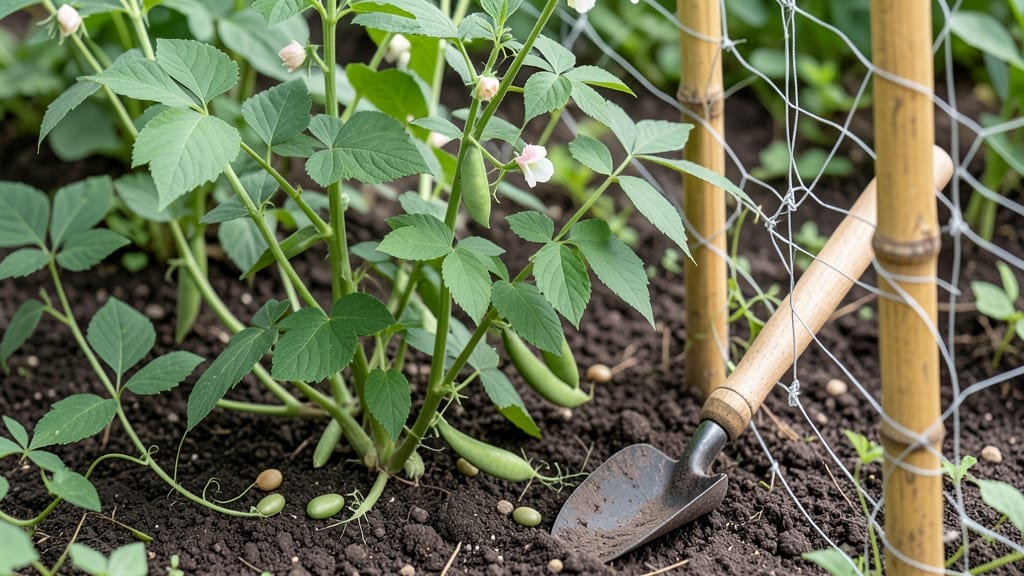
Planting garden peas at the right time ensures fast germination and a bountiful harvest—aim for early spring or late fall when soil temperatures hover between 40–85°F.
Garden peas thrive in cool weather, but planting them at the wrong time can lead to slow germination or even failure—here’s the exact window for success.
In USDA Zone 6a, like much of the Midwest, your best bet is 4–6 weeks before your last frost, typically mid-March to early April. For a fall crop, plant 60–90 days before the first frost, giving you a second harvest in late fall.
Below, I’ll break down the ideal timing by region, how to adjust for your local frost dates, and pro tips for maximizing your yield—no guesswork, just results.
Best planting times for garden peas by US growing zones
Garden peas are one of the first cool-season crops I plant each year, but timing is everything. These frost-tolerant plants thrive when soil temperatures hover between 40°F and 85°F. Plant too early, and germination slows; too late, and heat stress sets in.
Your USDA hardiness zone determines the perfect window—whether it's early spring or late fall. Let’s break down the ideal planting times by region to maximize your harvest.
In northern zones (3-5), where winters are harsh, peas go in the ground 4-6 weeks before the last frost date. This typically means late March to early May, depending on your location.
Meanwhile, southern zones (7-10) can plant as early as late January to February for a spring harvest or even late summer for a fall crop. The key is avoiding soil temperatures above 85°F, which can stunt growth.
Here’s a quick reference for your zone—use this to pinpoint the best time to start seeds or set out transplants. Remember, peas are fast growers (55-70 days to harvest), so succession planting every 2 weeks keeps your supply fresh all season.
| USDA Zone | Spring Planting Window | Fall Planting Window | Soil Temp Threshold | Key Tip |
|---|---|---|---|---|
| Zones 1-3 (Alaska, Northern Plains) | Late April–May (4-6 weeks before last frost) | Late July–August (90 days before first frost) | 40–65°F | Use row covers to extend season |
| Zones 4-5 (New England, Midwest) | Early April–May (4-6 weeks before last frost) | Mid-August–September (60-90 days before first frost) | 45–70°F | Plant sugar snap peas for longer harvest |
| Zones 6-7 (Mid-Atlantic, South Central) | March–April (6-8 weeks before last frost) | Late August–September (70-80 days before first frost) | 50–75°F | Succession plant every 2 weeks for continuous yield |
| Zones 8-9 (Southeast, Pacific Northwest) | January–February (avoid summer heat) | September–October (harvest before winter rains) | 55–80°F | Choose heat-tolerant varieties like 'Oregon Sugar Pod' |
| Zones 10+ (California, Florida, Hawaii) | September–November (cool season) | June–July (summer drought escape) | 60–85°F | Provide shade cloth in peak heat |
For northern gardeners, focus on spring planting—peas are frost-hardy and can even handle light freezes. In zones 3-5, aim for late April to early May when soil warms to 45°F.
If you miss spring, a fall crop in late July still works, but harvest before the first hard frost.
In warmer climates (zones 7-10), the strategy shifts. Plant in winter or early spring to avoid summer heat. For example, in zone 9, I sow seeds in January for a spring harvest, then again in September for a fall crop.
The goal is to keep soil temps below 85°F—any hotter, and peas bolt or produce poorly.
Regional variations matter too. In the Pacific Northwest, cool, wet springs delay planting until April, while Florida’s dry winters make fall planting ideal. Always check your local frost dates—the USDA Plant Hardiness Zone Map is your best friend.
Pro tip: Use a soil thermometer to confirm temps before planting.
Don’t forget about succession planting! Since peas mature quickly (60 days), I stagger plantings every 2 weeks to ensure a steady supply. For example, in zone 6, I might plant on April 1st, April 15th, and May 1st for a prolonged harvest.
This works in fall too—just adjust timing based on your first frost date.
One common mistake? Planting peas in hot, dry soil. If your area experiences summer droughts, opt for fall planting instead. Mulch with straw or grass clippings to retain moisture and cool the soil.
And always choose dwarf or semi-dwarf varieties for containers or small spaces—they’re just as productive as tall types.
Finally, pair peas with companion plants like radishes, carrots, or lettuce to maximize space. Avoid planting near onions or garlic, as they stunt pea growth. With the right timing and care, your pea plants will reward you with sweet, tender pods all season long.
How to time pea planting for fast germination and high yields
Timing your pea planting right means the difference between fast germination and struggling seedlings. Peas germinate best when soil temperatures stay between 40–85°F, making early spring or late fall the ideal windows. If you plant too early, cold soil slows sprouting; too late, and heat stress sets in.
For fastest results, aim to plant when your soil reaches 45°F—this is typically 4–6 weeks before your last frost date. In USDA Zone 6a, that’s usually mid-March to early April. Use a soil thermometer to check; if it’s below 40°F, wait a week or two.
🌱 Key Takeaway: When to Plant Garden Peas
- Best Soil Temp: 40–85°F
- Spring Planting: 4–6 weeks before last frost
- Fall Planting: 60–90 days before first frost
- Pre-Sprout Method: Soak seeds 8–12 hours before planting
- Companion Plants: Plant with carrots, radishes, or lettuce
Avoid planting when soil is below 40°F or above 85°F—both extremes slow germination.
One trick I swear by for faster germination is pre-sprouting. Soak pea seeds in lukewarm water for 8–12 hours before planting. This jumpstarts the process, giving you sprouts in as little as 5–7 days instead of 10–14. Just be sure to plant them 1 inch deep in well-draining soil.
Don’t overlook companion planting—it can boost your yields. Pair peas with carrots, radishes, or lettuce; these plants improve soil structure and deter pests. Avoid planting near onions or garlic, though, as their strong scent can inhibit pea growth.
Timing mistakes happen, but here’s how to fix them. If you plant too early and face cold soil, cover seeds with row fabric or straw mulch to insulate them.
If you plant too late and hit heat stress, opt for shade cloth or choose heat-tolerant varieties like ‘Carouby de Maussane’.
For a second harvest, try a fall planting 60–90 days before your first frost. This works best in cooler climates like USDA Zones 3–7. Just monitor for pests like pea weevils, which thrive in late-season crops, and use row covers if needed.