
Plants
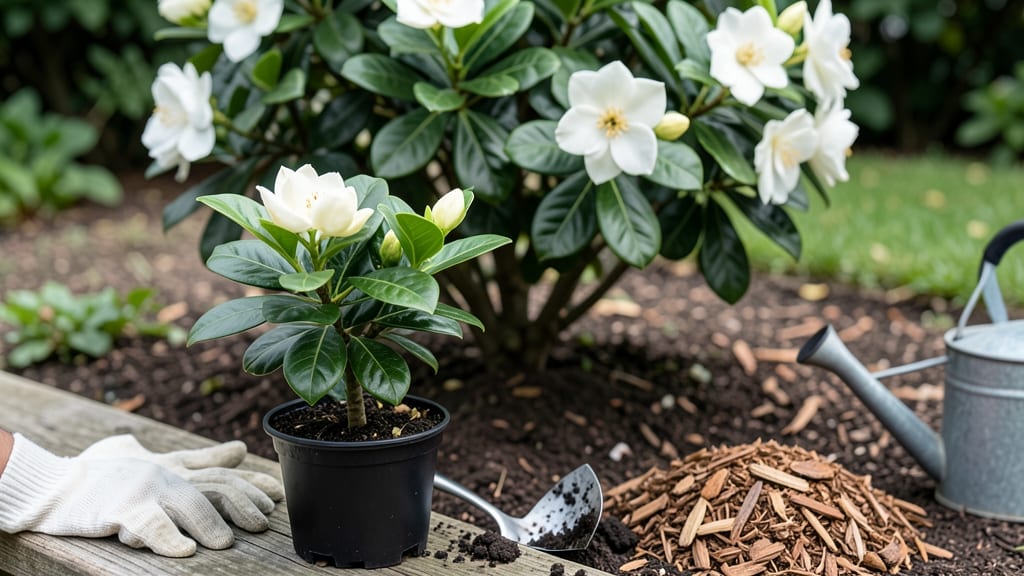
Planting gardenias in Texas at the right time means the difference between fragrant blooms 🌸 and a sad, wilted shrub.
Texas gardeners know the struggle: plant too early, and scorching summer heat will fry them; too late, and they’ll miss the blooming season. Timing is everything for these fragrant favorites—and getting it wrong can mean years of disappointment.
If you’re in North Texas (USDA zones 8a-9a), aim for late March or early April after the last frost. Down in South Texas (zones 10a-10b), fall planting in September or October works best, giving roots time to establish before winter warmth kicks in.
Below, I’ll break down the exact windows for your zone, how to prep soil for Texas heat, and the one trick that keeps gardenias blooming year-round—no matter where you live in the state.
Optimal planting windows for Texas gardenias by climate zone
Texas’s diverse climate zones—from North Texas’s cooler winters to South Texas’s humid heat—create unique challenges for planting gardenias. These fragrant shrubs thrive when planted at the right time, avoiding both scorching summer heat and late-season frost risks.
The key is understanding your USDA zone and adjusting your schedule accordingly.
In North Texas (Zones 7b-8a), where winters dip below 20°F, gardenias must wait until after the last frost—typically mid-February to early April.
Meanwhile, Central Texas (Zones 8a-9a) offers a broader window from late February to May, while South Texas (Zones 9b-10a) gardeners can plant as late as September to November to escape summer’s brutal heat.
Heat tolerance is critical: gardenias wilt in temperatures above 90°F, so fall planting in warmer zones lets roots establish before summer stress. Even in cooler zones, avoid planting in sweltering summer months—transplant shock and heat stress will kill young plants.
| Climate Zone | USDA Zone | Best Planting Window | Avoid Planting When | Heat Threshold (°F) |
|---|---|---|---|---|
| North Texas | 7b-8a | Mid-February to early April | May–September (heat stress) | Above 90°F |
| Central Texas | 8a-9a | Late February to May | June–August (peak heat) | Above 95°F |
| South Texas | 9b-10a | September to November | April–July (extreme heat) | Above 100°F |
For North Texas gardeners, the last frost date (around February 15) signals the start of planting season. Choose a cloudy day to reduce transplant shock, and protect young plants with shade cloth if summer arrives early.
In Central Texas, where heat arrives earlier, aim to plant by late April to give roots time to establish before 100°F+ temperatures.
In South Texas, the fall planting window (September–November) is ideal because it avoids the humid summer heat that causes fungal diseases like powdery mildew. Mulch heavily with pine straw or wood chips to retain moisture and cool roots.
If you must plant in spring, do so by March and provide afternoon shade until roots are established.
Pro tip: Container gardening extends flexibility in hot zones. Move potted gardenias to shadier spots during peak summer or place them on patio decks where afternoon shade is natural. Just ensure containers have drainage holes and use acidic potting mix (pH 5.0–6.0) to mimic their native soil.
Always check soil temperature before planting—gardenias prefer 60–70°F soil. Stick a soil thermometer 2 inches deep; if it’s cooler, wait a week or two. Root rot is a silent killer, so well-draining soil is non-negotiable. Amend clay-heavy soils with compost or peat moss to improve aeration.
Finally, prune back leggy growth after planting to encourage bushier, more resilient shrubs. This also helps reduce water stress by limiting leaf surface area. With the right timing, your gardenias will reward you with scented blooms from late spring to fall—a Texas gardener’s dream.
🌸
Signs your Texas soil and weather are ready for gardenias
Before you dig in, your Texas gardenias need the right conditions to thrive. The soil temperature should stay above 60°F (15°C) for at least 2-3 weeks—this is your green light for planting.
Use a soil thermometer to check, especially in North Texas where late frosts can sneak up until March.
Humidity matters too—gardenias love 60-70% humidity, which is common in South Texas but challenging in drier areas like West Texas. If your air feels dry, consider planting near a water feature or using a humidity tray for container gardenias.
⚠️ callout-warning ⚠️
Texas summers are brutal—planting gardenias before soil temps hit 70°F (21°C) risks heat stress. In North Texas (zones 8a-9a), wait until after April 15. In South Texas (zones 10a-10b), September 1 is your deadline for fall planting.
✅ Pro Tip: Mulch with 3-4 inches of pine bark to keep roots cool and retain moisture.
Check for frost risk by monitoring local forecasts—gardenias can’t handle temps below 28°F (-2°C). In Central Texas, this means waiting until mid-April, while South Texas gardeners can plant as late as early November.
Prepare your garden bed by amending soil with compost and peat moss to lower the pH to 5.0-6.0. Gardenias hate alkaline soil, so test your soil with a pH meter or send a sample to your local agricultural extension office for accuracy.
For transplanting, choose a cloudy day to reduce shock. Water the nursery pot thoroughly the night before, then dig a hole twice as wide as the root ball. This gives roots room to spread and access moisture in Texas’s clay-heavy soils.
After planting, apply a 2-3 inch layer of mulch around the base (but not touching the trunk) to lock in moisture and protect roots from extreme heat. Replenish mulch every 6 months to maintain its insulating properties.