
Container Gardens
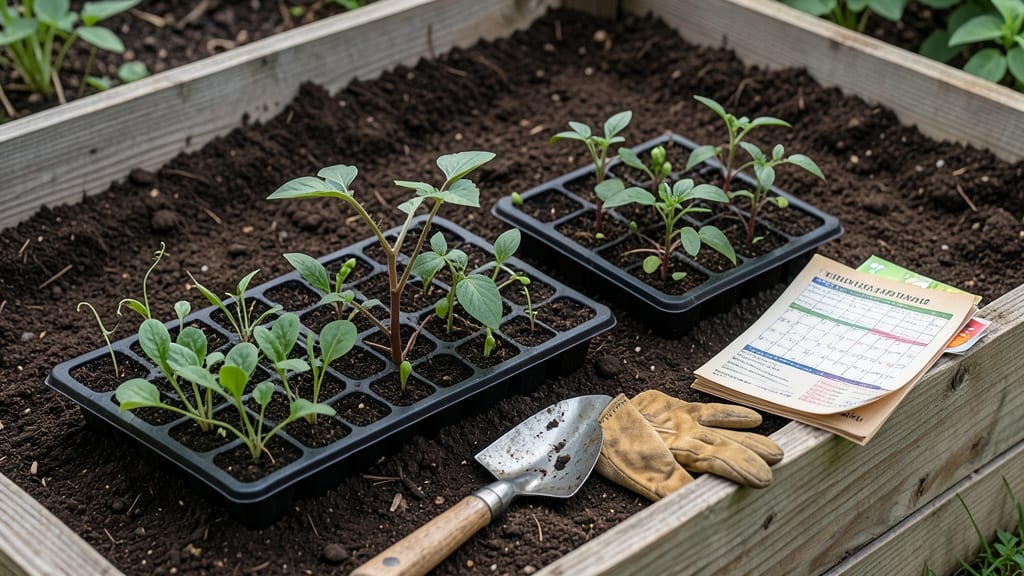
Planting gardens in Ohio after the last frost date—typically around mid-April—sets you up for a thriving season, but timing varies wildly across the state.
Ohio’s unpredictable spring weather can turn your gardening dreams into a guessing game—but timing your plantings based on Ohio’s microclimates and warmth thresholds ensures a bountiful harvest instead of wilting disappointment.
From the cooler northern regions near Lake Erie to the slightly warmer southern areas, soil temperatures and frost risks change how and when you plant.
Cool-season crops like spinach and peas can go in as early as late March, while tomatoes and peppers need to wait until the soil hits 60°F—usually late May in most of the state.
Below, I’ll break down the exact planting windows for your zone, how to adjust for urban heat islands, and the best tricks to extend your growing season—so you can avoid the heartbreak of frost-nipped seedlings and enjoy a garden that keeps giving all summer long.
Ohio’s planting zones & warmth thresholds: when to start cool vs. warm-season crops
Ohio’s USDA Plant Hardiness Zones 5-7 create a diverse gardening landscape, where northern regions (Zone 5) face earlier frosts than southern areas (Zone 7). Understanding these zones—and the soil temperature thresholds your plants need—is the key to avoiding frost bites and maximizing yields.
For example, cool-season crops like spinach thrive when soil temps hit 40°F (4°C), while tomatoes won’t germinate until soil warms to 60°F (15°C). Let’s break down the exact timing for Ohio’s most popular plants.
Your planting success hinges on two critical dates: the average last frost date (when you can safely plant cool-season crops) and the soil temperature required for warm-season seeds to sprout. In Ohio, these dates vary by 1-2 weeks from north to south.
For instance, Zone 5 (northwest Ohio) typically sees its last frost around May 10, while Zone 7 (southern Ohio) can plant outdoors as early as April 15.
Warm-season crops like peppers and cucumbers need soil temps of 70-85°F (21-29°C) to thrive, which often means starting them indoors 6-8 weeks before the last frost.
Here’s where things get tricky: even within Ohio, microclimates can shift planting windows by weeks. A south-facing slope warms up faster than a shady valley, and urban areas like Columbus experience urban heat islands that delay frost.
To navigate this, I always check local frost data from sources like the Old Farmer’s Almanac or NOAA’s climate maps and adjust my schedule accordingly. For example, if your garden sits in a frost pocket, you might need to wait an extra week before planting frost-sensitive basil.
Let’s dive into the specifics with this Ohio planting timeline, tailored to both cool-season and warm-season crops, including soil temperature requirements and ideal planting windows for your region.
| Crop Type | USDA Zone | Last Frost Date | Soil Temp for Germination | Planting Window | Notes | |||||||||||||||||||||||||
|---|---|---|---|---|---|---|---|---|---|---|---|---|---|---|---|---|---|---|---|---|---|---|---|---|---|---|---|---|---|---|
| Cool-Season Crops | 5-7 | April 15 - May 10 | 40-50°F (4-10°C) | March-April (direct sow) / Sept-Oct (fall) | Spinach, peas, lettuce, broccoli | |||||||||||||||||||||||||
| Warm-Season Crops | 5-7 | April 15 - May 10 | 60-85°F (15-29°C) | After last frost (May-June) | Tomatoes, peppers, cucumbers, beans | |||||||||||||||||||||||||
| Peas | 5-6 | April 1 - May 1 | 40-50°F (4-10°C) | Early spring (March-April) | Sow directly; avoid transplanting | |||||||||||||||||||||||||
| Spinach | 5-7 | April 15 - May 1 | 40-55°F (4-13°C) | March-April, Sept-Oct | Bolt-resistant varieties for summer | |||||||||||||||||||||||||
| Tomatoes | 5-7 | April 15 - May 10 | 60-70°F (15-21°C) | Start indoors 6-8 wks before last frost | Use row covers for early planting | |||||||||||||||||||||||||
| Peppers | 6-7 | May 1 - May 15 | 70-85°F (21-29°C) | Start indoors 8-10 wks before last frost | Slow to germinate; keep soil warm | |||||||||||||||||||||||||
| Basil | 6-7 | May 10 - May 20 | 70°F (21°C) minimum | After last frost; avoid chilly nights |
How to adjust planting timing for Ohio’s microclimates: urban vs. rural differencesOhio’s diverse geography creates microclimates that can shift planting windows by weeks—especially when comparing urban heat islands like Columbus to cooler rural areas near Toledo or lake-effect zones around Cleveland. These differences mean your neighbor’s tomato success in May might spell disaster for your frost-sensitive seedlings just 30 miles away. The key factors are urban heat islands (cities stay 5-10°F warmer at night), elevation changes (higher areas get frost later), and lake breezes (Lake Erie moderates temperatures). For example, Cincinnati’s last frost often comes 2 weeks earlier than Youngstown’s, while Toledo’s lake-effect delays warm-season planting until late May. Here’s how to adjust your planting schedule based on where you garden in Ohio:
For urban gardeners, leverage the heat island effect by planting warm-season crops like eggplant 1-2 weeks earlier than rural guides suggest. Use a soil thermometer to confirm 60°F+ for germination—urban soils often warm faster than rural areas. In rural or lake-effect zones, prioritize frost-tolerant varieties like Swiss chard or kale for spring, and use black plastic mulch to accelerate soil warming. For Toledo-area gardeners, consider starting peppers indoors by March 15 to give them a head start against late frosts. Pro tip: Monitor your local Cooperative Extension office for real-time frost alerts—these microclimates shift yearly. A 5-day forecast of 40°F nights means protecting tender seedlings with frost cloth, even in Columbus. |