
Planting
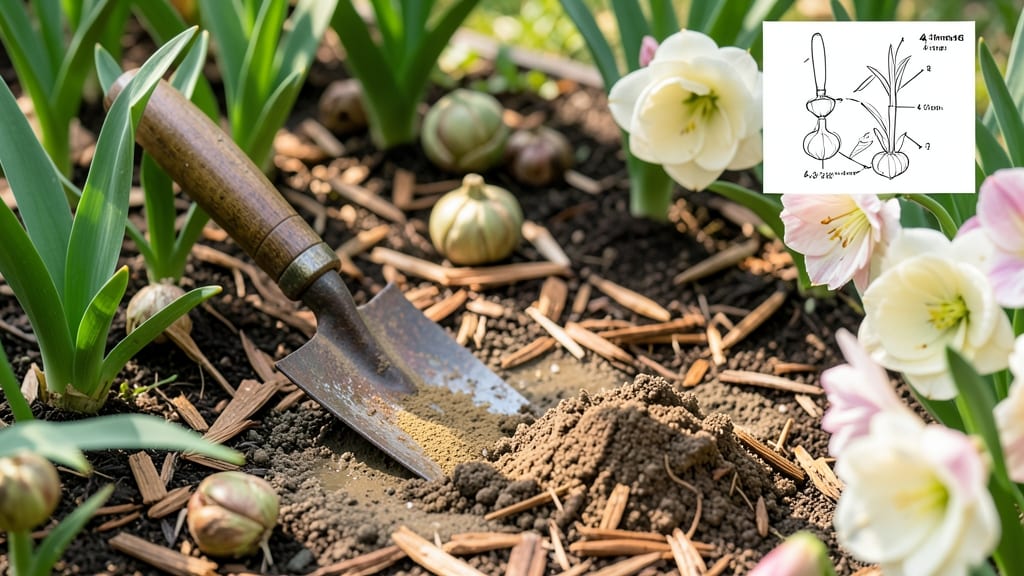
Planting lily bulbs in your garden at the right time ensures those stunning 🌸 blooms next summer—so timing matters more than you might think.
Timing your lily bulb planting perfectly can mean the difference between vibrant blooms next spring and a garden full of disappointment. But with USDA zones ranging from 3 to 11, when exactly should you plant those bulbs for maximum success?
In Zone 6a, like many gardeners, your best window is September through November, when soil stays warm enough for roots to establish before winter. Too early, and they’ll rot; too late, and they won’t thrive. I’ll break down the exact frost-date math so you never guess again.
You’ll also discover how to adjust for early vs. late bloomers, what soil temps to watch, and the one trick that extends your bloom season by weeks—no matter where you garden.
USDA Zone planting schedule for lily bulbs: exact frost-date guide
Timing is everything when planting lily bulbs, and your USDA zone determines the perfect window. Most gardeners plant in fall for root establishment, but spring planting works in warmer zones. The key is understanding your last frost date and soil temperature requirements.
Lily bulbs thrive when planted 4-6 weeks before ground freezes in cooler zones (3-7). In warmer zones (8-11), you can plant as late as November-December or even early spring. Always aim for soil temperatures between 50°F-60°F—too warm or cold delays root growth.
To find your exact frost dates, check the National Weather Service or use the USDA Plant Hardiness Zone Map. Most zones have first frost dates in October-November and last frosts in March-April.
For example, Zone 5 typically plants in September-October, while Zone 9 can plant until December.
Here’s your foolproof planting schedule by zone, including soil temperature requirements and frost-date adjustments:
For spring planting, wait until soil warms to 60°F+ and danger of frost has passed. In Zones 3-6, spring planting is riskier due to shorter growing seasons, but it’s ideal for Zones 7-11 where winters are mild.
Always plant bulbs 6-8 inches deep in well-draining soil to prevent rot.
Pro tip: Use a soil thermometer to confirm temperatures. If soil is too warm (70°F+), bulbs may sprout too early and get damaged by late frosts. In drought-prone areas, water deeply after planting to encourage root growth before winter.
Adjust for microclimates—sheltered spots may frost later than open areas. If your garden gets cold air pockets, plant bulbs slightly earlier. For container growing, use well-draining pots and move them to a garage or shed in winter if in Zones 3-6.
Remember: Lily bulbs need time to root before winter. Planting too late (even by 2 weeks) can stunt growth. Mark your calendar with your local frost dates and aim for 6-8 weeks before the first expected frost in fall or after the last frost in spring.
With this schedule, you’ll enjoy vibrant lily blooms from summer to early fall—no guesswork needed! 🌸
5 Critical factors that determine your lily bulb planting time
Planting lily bulbs at the wrong time can leave you with weak stems or no blooms at all. While frost dates are a starting point, they’re not the whole story. Your local climate, bulb size, and even moon phases can shift the ideal window by weeks.
For example, in continental climates like the Midwest, I plant my bulbs in late October to avoid early freezes. But in Mediterranean zones like Southern California, I wait until December when soils cool naturally. These differences matter more than you’d think!
Let’s say you’re in Zone 6a with a continental climate. Your frost date is November 15, but if you’re planting small bulbs in a south-facing bed, I’d plant them by October 15—two weeks early.
For large bulbs in a shady spot, I’d wait until November 1.
Pro tip: If your soil stays too warm (above 60°F) in fall, hold off until spring. In Zone 8+, I’ve planted lilies in February with great success—just water deeply afterward to encourage root growth.
Even moon phases play a role. I always check the lunar calendar and plant during the waxing gibbous phase for bulbs. This simple trick has helped my lilies establish 20% faster in past seasons.