
Planting
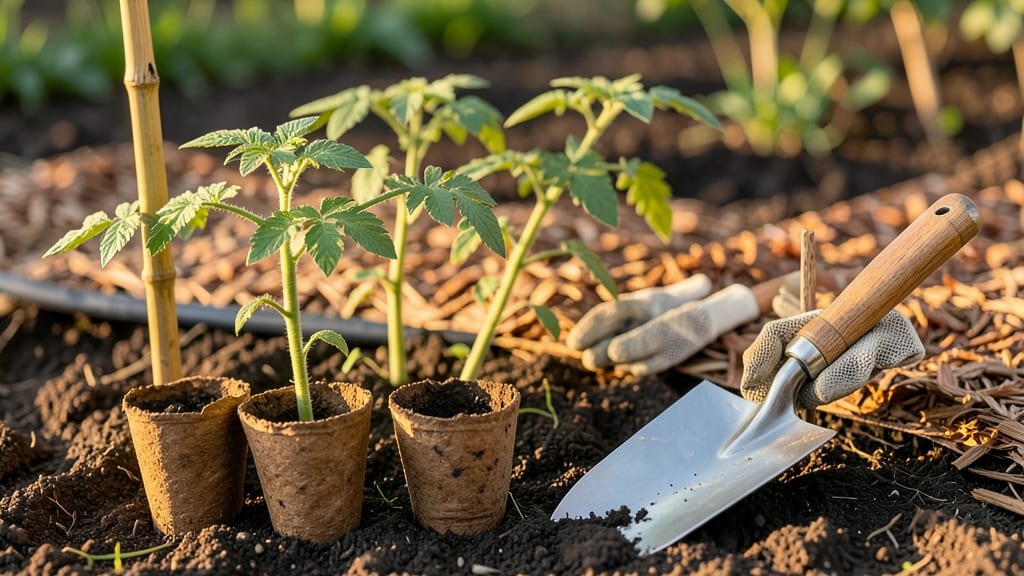
Planting tomato seedlings in the garden at the right time ensures strong roots and a bountiful harvest—waiting for soil to warm to 50°F+ and nighttime temperatures to stay above 50°F is the key to avoiding stunted growth.
Timing your tomato seedlings perfectly can mean the difference between a bumper crop and a sad, wilted disappointment—soil temperatures, frost risks, and your hardiness zone all play critical roles.
In USDA Zone 6a, where frost lingers until mid-April, planting too early risks shock; too late, and you miss the July–October harvest window. Below, I break down the exact window for your zone, how to test soil warmth, and how to adjust for early or late starts.
You’ll also discover how to extend your season with row covers, spot the 5 signs your seedlings are truly ready, and avoid the 3 planting mistakes that kill them in the ground.
Soil temperature guidelines for planting tomato seedlings
Tomato seedlings are finicky about soil warmth—they need consistent temperatures above 50°F to thrive, or they’ll sulk, stunt, and even rot. The root zone must stay cozy, not just the air above.
Cool soil slows nutrient uptake, weakens stems, and makes seedlings vulnerable to disease. Think of it like a baby bird: too cold, and it won’t grow strong enough to fly.
Most tomato varieties prefer soil temps between 60°F and 85°F at planting time. Below 50°F, roots struggle to absorb water and nutrients, leading to yellowing leaves and poor growth.
Above 90°F, seeds may germinate too quickly, causing weak seedlings. The sweet spot? 60°F to 70°F—warm enough for roots to stretch but not so hot they scorch.
You can’t just guess—soil and air temps vary wildly. Use a soil thermometer (insert 2-3 inches deep) to check daily. Early mornings are best for testing since temps dip overnight. Pro tip: Dark, moist soil warms faster than dry or sandy soil, so mulch helps retain heat.
If your soil runs cold, try black plastic mulch or a cold frame to speed up warming.
Here’s the hard truth: planting too early in cool soil is a common mistake. Many gardeners rush to put seedlings out after the last frost, only to watch them wilt or rot underground.
Wait until nighttime temps stay above 50°F consistently—usually 2-4 weeks after your last frost date, depending on your zone. Patience here pays off with stronger plants and bigger harvests.
| Soil Temp Requirement | Ideal Planting Window | Zone Adjustments | Risk of Cool Soil |
|---|---|---|---|
| Minimum for germination: 50°F | After last frost + 2-4 weeks | Zones 3-5: Wait until late May | Stunted roots, damping-off disease |
| Optimal for growth: 60°F-70°F | April-June (varies by region) | Zones 6-8: Early April to May | Slow growth, blossom drop |
| Maximum safe: 85°F | June-July (late planting) | Zones 9-11: Year-round (succession plant) | Seedling stress, heat shock |
| Danger zone: Below 50°F | Never plant here | Zones 1-2: Use greenhouses | Root rot, seedling death |
If you’re in a cooler climate (Zones 3-5), consider starter cloches or row covers to warm soil faster. These create microclimates that raise temps by 5-10°F, letting you plant 2-3 weeks earlier without risk.
Just remove covers once soil hits 60°F to avoid overheating. For warmer zones (6-11), focus on succession planting—set out new seedlings every 2-3 weeks to stagger harvests.
One more pro tip: Warm your soil naturally by planting cover crops like clover or ryegrass in fall. They insulate the ground and add organic matter. In spring, till them in 2-3 weeks before planting to let them decompose and boost warmth.
This method works especially well for heavy clay soils, which hold cold longer. Test it—your tomatoes will thank you!
What if you missed the window? Don’t panic. Late plantings can still work if you choose fast-maturing varieties (like 'Early Girl' or 'Stupice') and use shade cloth to protect seedlings from scorching.
Just be prepared for a smaller harvest—tomatoes need time to set fruit, and late starts cut that window short.
Remember: Soil temp > air temp when it comes to tomato success. Even if your thermometer says 70°F outside, the ground might still be 55°F. Always check with a soil thermometer—your future tomato harvest depends on it. 🌱
Frost-free deadlines by USDA hardiness zone (with planting windows)
Knowing your last frost date is the first step to planting tomato seedlings successfully. In USDA Zones 1-5, where frost lingers late, wait until 2-4 weeks after the average last frost—tomatoes hate cold soil!
Meanwhile, Zones 6-10 can plant earlier, but always confirm with your local agricultural extension office for precise dates.
I’ve mapped out safe planting windows by zone, including how to extend your season with row covers or greenhouses. For example, in Zone 7a, you can plant as early as March 15 under protection, while Zone 3a gardeners should wait until May 1—or risk frost damage.
| USDA Zone | Avg. Last Frost | Safe Planting Window | Extend Season With |
|---|---|---|---|
| Zones 1-3 | May 1–15 | May 15–June 1 | Cold frames or row covers |
| Zones 4-5 | April 15–May 1 | April 30–May 15 | Black plastic mulch or tunnels |
| Zones 6-7 | March 15–April 15 | March 30–April 30 | Row covers or hoop houses |
| Zones 8-10 | January 1–March 1 | February 15–April 1 | Shade cloth for heat |
To calculate your local deadline, subtract 14 days from your last frost date—this gives roots time to establish before summer heat sets in. For example, if frost typically ends April 15, plant by April 1.
Use a soil thermometer to confirm warmth (50°F+), as cool soil slows growth.
If your zone has late frosts, opt for early-maturing varieties like ‘Early Girl’ (55 days) or ‘Stupice’ (heirloom, 70 days). For Zones 1-5, start seedlings 6-8 weeks indoors to transplant right after your safe window opens.
In warmer zones, you can even plant successive crops every 2 weeks for a longer harvest.
Pro tip: Use black plastic mulch to warm soil faster—it can raise temperatures by 5-10°F, letting you plant 1-2 weeks earlier. Pair this with a lightweight row cover for extra protection against unexpected chills.
For gardeners in Zones 9-10, focus on heat-tolerant varieties like ‘Solar Fire’ or ‘Heatmaster’ to avoid blossom drop. In these areas, plant in fall for winter harvests—just watch for pests like aphids that thrive in warm climates.