
Tools
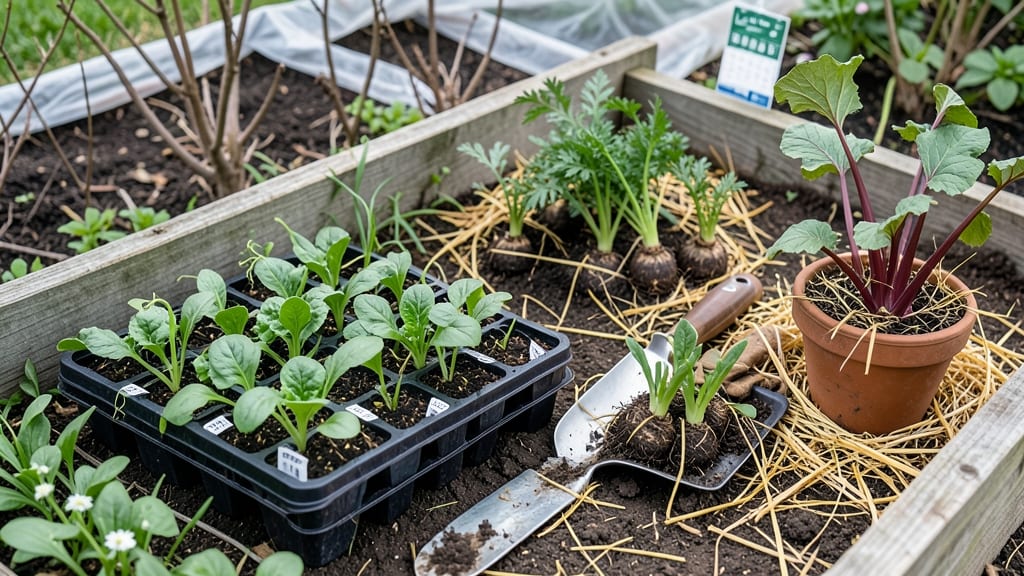
To start a garden in Ohio, timing is everything—especially when you’re balancing USDA zones 5b through 6b and Ohio’s famously fickle spring weather.
Picture this: You’ve spent weeks nurturing seedlings indoors, only to watch them wilt overnight because a late frost snuck in. Or worse, you plant too late and miss the sweet spot for a bumper crop.
Ohio’s last frost dates can shift by weeks between Columbus and Cincinnati, so knowing exactly when to sow, transplant, and harvest is the difference between a thriving garden and a lesson in patience.
This guide breaks down Ohio’s planting zones, month-by-month action steps, and pro tips to stretch your growing season—whether you’re a first-timer or a veteran gardener fine-tuning your routine.
You’ll learn how to read frost forecasts, adjust for microclimates, and even use row covers to cheat the system. By the end, you’ll have a customized timeline that turns Ohio’s unpredictable climate into your garden’s biggest advantage.
Ohio’s planting zones: when to start based on last frost dates
Ohio spans USDA Plant Hardiness Zones 5b through 6b, meaning our frost dates vary dramatically from northern counties like Ashtabula (Zone 5b) to southern regions like Lawrenceburg (Zone 6b). These differences determine whether your tomato seedlings survive or your spinach bolts prematurely.
Understanding your last average frost date—typically between April 15 and May 15—lets you time plantings precisely for Ohio’s climate.
For example, cold-hardy crops like peas and spinach can handle light frosts, while heat-lovers like tomatoes and peppers need soil temperatures above 60°F (15°C) to thrive.
I’ve planted basil indoors in March only to watch it wilt when transplanted too early—so I now rely on local weather data from the Ohio State University Extension to adjust timelines. Let’s break down what you need to know for your specific zone.
Your first frost date in fall—typically between October 15 and November 15—also dictates when to plant cool-season crops like broccoli or Brussels sprouts.
In Zone 5b, I’ve learned to sow spinach seeds in early September for a harvest before hard frost, while in Zone 6b, gardeners can push into late October for cold-hardy greens.
Always check 30-year averages from the National Weather Service for your county, as microclimates near lakes or hills can shift frost dates by 1-2 weeks.
For heat-sensitive crops, like cucumbers or melons, wait until after Memorial Day in most of Ohio. I once planted zucchini too early in May—only to watch the flowers drop off due to chilly nights.
Now, I test soil temperature with a digital thermometer ($15 at garden centers) to confirm it’s above 65°F (18°C) before transplanting. This small step saved my summer squash harvest last year!
Ohio’s summer planting window runs from late May to early July, but succession planting is key. For example, bush beans can be sown every 2 weeks until July 15 to ensure a steady harvest.
Meanwhile, fall crops like kale benefit from bolting prevention when planted after Labor Day. I mark my calendar with frost dates and set reminders for seed packets to avoid last-minute scrambling.
Don’t overlook local weather patterns—some years, Ohio sees unusually warm springs (like 2012, when frost dates shifted 3 weeks early) or late frosts (like 20192 weeks. I follow @OhioAgWeather on Twitter for real-time updates and adjust my planting schedule accordingly.
When in doubt, start seeds indoors 6-8 weeks before the last frost date for tomatoes, peppers, and eggplants—this gives you a head start if spring arrives late.
For perennial plants, like asparagus or rhubarb, timing matters too. I planted asparagus crowns in early spring (March-April) but avoided disturbing roots during active growth periods. These slow-growing perennials need 2-3 years to establish before harvest, so patience is key.
Meanwhile, strawberries thrive when planted in early fall (September-October) to develop strong roots before winter.
Ohio’s growing season length varies from 120 days in Zone 5b to 180 days in Zone 6b. To maximize yield, I use <
Step-by-step Ohio garden calendar: what to plant each month
Ohio gardeners know the drill: timing is everything. While your neighbor in Cincinnati might be planting tomatoes in early May, a late frost in Toledo could leave your seedlings shivering.
This month-by-month guide aligns your planting schedule with Ohio’s USDA zones 5b-6b, average frost dates, and the unique needs of cold-hardy vs. heat-loving crops.
We’ll cover everything from February seed-starting indoors to November harvests, including when to harden off seedlings, transplant, and use succession planting to maximize your space. Whether you’re growing peas in March or kale in October, this calendar keeps you ahead of Ohio’s unpredictable weather.
Pro tip: Bookmark this page or print the downloadable checklist at the end to track your progress. Adjust dates by 1-2 weeks based on your local microclimate—southern Ohio can be 2 weeks ahead of northern regions!
📅 Month-by-Month Ohio Garden Calendar
- 1 February: Start cool-season crops indoors (broccoli, cabbage, onions). Test and amend garden soil for pH and nutrients.
- 2 March: Plant peas and spinach outdoors as soon as soil is workable. Harden off indoor seedlings (4-7 days before transplanting).
- 3 April: Transplant broccoli, cabbage, and lettuce. Sow carrots and radishes directly into soil. Cover with row covers for frost protection.
- 4 May: Plant tomatoes, peppers, and cucumbers after last frost (avg. mid-May). Start succession planting of beans and lettuce every 2 weeks.
- 5 June-July: Harvest early crops (radishes, lettuce). Plant fall crops like kale and carrots. Watch for pests (aphids, squash bugs) and treat early.
- 6 August-September: Sow cool-season crops (spinach, peas). Extend harvests with row covers. Pull weeds and mulch to retain moisture.
- 7 October-November: Harvest late crops (kale, Brussels sprouts). Plant garlic for next year. Clean up garden beds and add compost for spring.
Don’t let Ohio’s unpredictable frost dates catch you off guard. Use this calendar as your roadmap, but always check the Ohio State University Extension for localized updates. For example, Columbus typically sees its last frost around April 20th, while Toledo can wait until May 5th.
Succession planting is your secret weapon: By sowing lettuce or beans every 2 weeks from May through July, you’ll enjoy a continuous harvest instead of one big glut. And if you’re eager to push your season further, row covers can add 2-4 weeks to both spring and fall harvests.
Print this checklist to track your progress and adjust for your microclimate. Happy planting—your Ohio garden will thank you! 🌱