
Planting
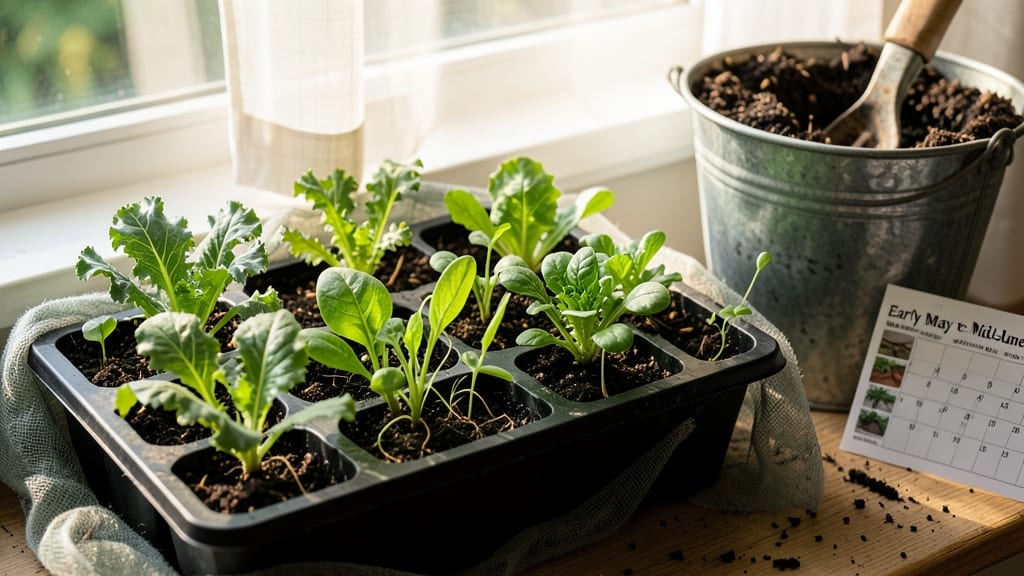
Planting a vegetable garden in New Brunswick at the right time means the difference between a bountiful harvest and a frost-killed disappointment — and the clock starts ticking earlier than you think.
New Brunswick’s unpredictable climate can turn a thriving vegetable garden 🥬 into a frost-killed disappointment—or help you grow the most abundant harvest in your neighborhood. Timing is everything, and getting it wrong means wasted seeds and missed opportunities.
With USDA Zone 5b frost dates that average mid-May for the last spring freeze and mid-October for the first fall frost, your planting window is tight but doable with the right strategy.
Cool-season crops like peas and lettuce can go in as early as late March, while tomatoes and peppers need to wait until after May 15 to avoid a chilly shock.
Below, I’ll break down the exact months to start seeds indoors, when to direct-sow outdoors, and how to stretch your growing season with simple tricks—so you can enjoy fresh veggies from spring to fall without the guesswork.
New Brunswick planting zones: when to start seeds indoors vs. direct sowing outdoors
New Brunswick’s USDA planting zones 5a-6b create a unique challenge for gardeners—short but intense growing seasons where timing can make or break your harvest. The average last frost date falls around mid-May, but coastal areas like Saint John may see frost 2-3 weeks later than inland regions.
Understanding these differences helps you decide whether to start seeds indoors or direct sow outdoors for maximum success.
For cold-hardy crops like peas, lettuce, and spinach, you can often direct sow outdoors as soon as the soil is workable in early April. These plants thrive in cooler temperatures and can even handle light frosts.
Meanwhile, warm-season vegetables like tomatoes, peppers, and cucumbers need to be started indoors 6-8 weeks before the last frost to give them a head start against New Brunswick’s brief but hot summers.
Here’s the key: Indoor seed starting isn’t just for warm crops—it’s also a smart move for slow-growing vegetables like broccoli and cabbage. By getting a jump on these, you’ll have larger, healthier plants ready to transplant right as the frost risk subsides.
The goal is to avoid transplant shock while ensuring your plants mature before the first frost in mid-October.
🌱
| Plant Type | Indoor Start Time | Direct Sow Time | Notes |
|---|---|---|---|
| Cold-Hardy Crops | Not Needed (or 4-6 weeks before last frost) | Early April (as soon as soil is workable) | Peas, spinach, kale, lettuce |
| Warm-Season Crops | 6-8 weeks before last frost (March) | After last frost (mid-May) | Tomatoes, peppers, cucumbers, eggplant |
| Slow-Growing Crops | 6-8 weeks before last frost (March) | Early May (after frost risk passes) | Broccoli, cabbage, Brussels sprouts |
| Root Vegetables | Not Needed (direct sow) | April–June (depending on variety) | Carrots, beets, radishes, potatoes |
| Herbs | 4-6 weeks before last frost (optional) | April–May (after frost) | Basil, parsley, cilantro (cold-sensitive) |
One of the biggest mistakes I see in New Brunswick gardens is starting warm-season seeds too late. By the time you transplant tomatoes or peppers in June, they’re already struggling to mature before the heat of summer sets in.
The solution? Start these indoors in early March so they’re ready to transplant by mid-May, giving them a full 3-4 months of growth before the first frost.
For direct sowing outdoors, focus on cool-season crops first. Peas and lettuce can handle light frosts and grow quickly in New Brunswick’s cool springs. I like to sow peas in early April under a light row cover to protect them from late frosts.
Meanwhile, radishes are the fastest option—ready to harvest in just 3-4 weeks, making them perfect for early spring or fall plantings.
Don’t forget about fall planting!
While New Brunswick’s growing season ends in mid-October, you can still extend your harvest by direct sowing cold-hardy crops in early August. Spinach, kale, and arugula thrive in cool fall temperatures and can often be harvested until November if protected with row covers.
If you’re unsure about your local frost dates, check the Canadian Hardiness Zone Map and adjust for your specific region. Coastal areas like Saint John tend to have later last frosts, while inland zones like Fredericton may experience frost earlier in the season.
Keeping a gardening journal to track your local frost patterns will help you refine your planting schedule each year.
Pro tip: Use biodegradable seed starters for indoor seeds to avoid transplant shock. These peanut-sized pots can be planted directly into the soil, giving your seedlings a gentler transition to outdoor conditions.
Pair this with hardening off (acclimating seedlings to outdoor temps over 7-10 days) for the best results.
☀️
Best month-by-month planting schedule for New Brunswick vegetables
New Brunswick’s short growing season demands precision timing to maximize your vegetable garden’s potential. Coastal areas like Saint John enjoy slightly milder conditions, while inland regions experience earlier frosts.
Understanding these microclimates helps you adjust planting dates by 1-2 weeks for optimal success. Start with cool-season crops in early spring and transition to warm-season favorites as temperatures rise.
The key to a productive garden lies in aligning your planting schedule with New Brunswick’s average last frost date (mid-May) and first frost (mid-October). Coastal areas may push these dates back by 10-14 days, while inland zones like Fredericton face earlier threats.
Always monitor local weather forecasts, as unpredictable spring frosts can still occur after Memorial Day weekend.
- 1 March-April: Start cool-season crops indoors (lettuce, spinach) and direct sow hardy varieties (peas, radishes) when soil reaches 40°F (4°C).
- 2 Late April: Transplant broccoli, cabbage and direct sow carrots, beets after last frost risk passes. Coastal areas can plant 1 week earlier.
- 3 May: Plant warm-season crops (tomatoes, peppers) after soil reaches 60°F (15°C). Use row covers for early starts in cooler inland areas.
- 4 June-July: Sow beans, cucumbers, squash and succession plant lettuce, kale for fall harvest. Monitor for pests during humid summer months.
- 5 August: Begin fall planting of spinach, radishes, turnips for harvest before first frost. Coastal areas can extend this window by 2-3 weeks.
- 6 September: Plant garlic, onions, hardy greens for early spring harvest. Use mulch to protect from early frosts in inland zones.
For coastal New Brunswick, extend your fall planting window by 2-3 weeks due to moderating ocean influences. Saint John gardeners can often harvest kale and spinach well into November, while inland areas should prioritize fast-maturing varieties to avoid frost damage.
Always test your soil’s drainage capacity before planting—New Brunswick’s heavy clay soils benefit from compost amendments to prevent waterlogging.
Succession planting is your secret weapon for continuous harvests. In May and June, sow small batches of lettuce, radishes, and bush beans every 2-3 weeks to maintain production.
This approach ensures you’re never without fresh vegetables, even when some crops mature quickly. Pair slow growers (like tomatoes) with fast growers (like radishes) to optimize space and time.
Remember that New Brunswick’s unpredictable weather patterns can disrupt even the best-laid plans. Keep a gardening journal to track your local microclimate’s quirks—note when frost occurs, how quickly soil warms in spring, and which varieties thrive in your specific zone.
With each season, you’ll refine your timing and increase your garden’s productivity by 20-30%. 🌱