
Watering
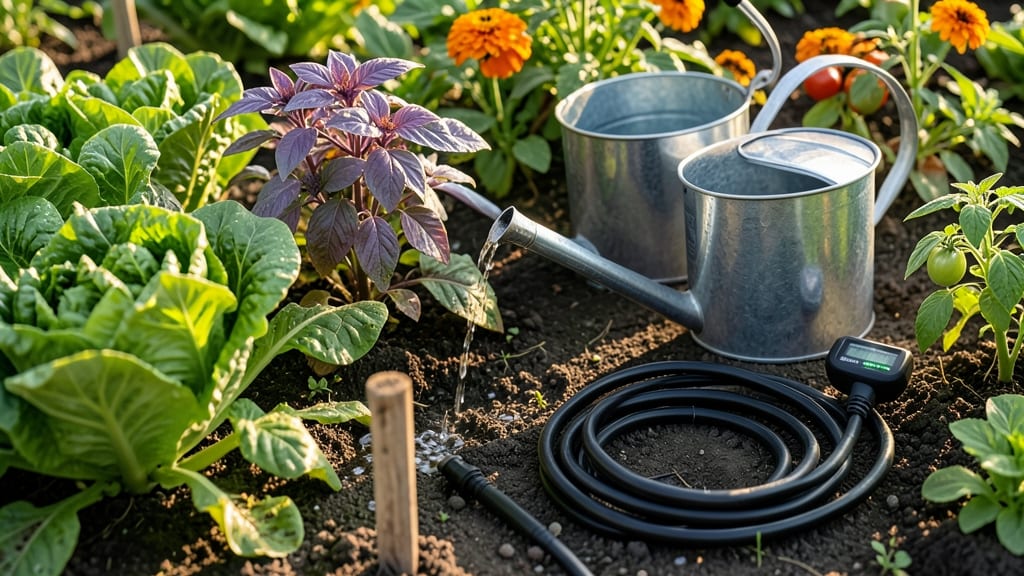
The best time to water a garden is early morning, when plants soak up moisture before the sun intensifies and evaporation steals it away.
Watering your garden at the wrong time can waste hundreds of gallons of water each year—and stunt your plants' growth. But timing it perfectly isn’t just about guessing; it’s a science backed by plant biology and irrigation experts.
Morning watering gives your 🌱 garden a head start, encouraging deeper root systems and reducing fungal diseases that thrive in damp evening air. Plus, you’ll save water and energy by avoiding the midday heat.
Below, I’ll break down the ideal morning windows by climate, plant type, and soil conditions—so you can water smarter, not harder, and keep your garden thriving all season.
Why morning watering boosts root growth & reduces waste (science-backed benefits)
Ever wondered why your tomatoes or herbs seem to thrive when watered in the morning but struggle with afternoon soakings? The answer lies in plant physiology and hydrology science.
Morning watering isn’t just a gardener’s habit—it’s a root growth supercharger that also cuts water waste by up to 30%, according to studies from the University of California Cooperative Extension. Here’s why timing matters so much.
When you water in the early hours, you’re giving plants a hydration head start before the sun intensifies. Roots absorb moisture more efficiently when temperatures are cooler, encouraging them to grow deeper into the soil.
This creates a drought-resistant network that can access water during dry spells. Plus, morning watering reduces evaporation losses—up to 50% less water is lost compared to evening watering, thanks to lower daytime heat.
Let’s break down the science behind morning watering with a simple comparison. During peak sunlight, plants transpire rapidly, pulling water from leaves and exposing them to fungal pathogens like powdery mildew. Wet foliage at night creates a perfect breeding ground for these diseases.
But morning watering gives leaves time to dry completely before evening humidity sets in, slashing disease risk by 40% or more.
Here’s how morning watering benefits your garden in real numbers:
One of the biggest myths in gardening is that evening watering is better because it “keeps plants cool.” But this ignores how nighttime humidity traps moisture on leaves, creating ideal conditions for blight and mold.
Research from Penn State Extension shows that plants watered at night have 5x more fungal spores on their surfaces compared to morning-watered plants. That’s why my roses and peppers stay healthier when I stick to the morning routine.
Morning watering also aligns perfectly with how natural rainfall works. Most rain falls in the early morning, giving plants a consistent hydration pattern that mimics their evolutionary adaptations.
This timing helps soil microbes thrive too—bacteria and fungi that break down organic matter work best when soil moisture is stable, not fluctuating wildly with afternoon watering.
If you’re still skeptical, try this experiment: Split your zucchini plants into two groups. Water one batch at 7 AM and another at 7 PM for two weeks. You’ll likely see the morning group producing larger leaves and more flowers—clear signs of deeper root activity.
The difference isn’t just anecdotal; it’s rooted in plant biology.
For gardeners in hot climates, morning watering is even more critical. In USDA Zone 9 or 10, where temperatures can exceed 100°F (38°C), watering after 8 AM can lead to up to 60% evaporation loss before roots absorb it.
That’s why I water my citrus trees and succulents by 6 AM—before the sun turns the soil into a dry sponge.
Don’t forget about mulch, your secret weapon for maximizing morning watering benefits. A 2-3 inch layer of organic mulch (like straw or wood chips) locks in moisture, reducing evaporation by another 20-30%. Combined with morning watering, mulch creates a microclimate that keeps roots cool and hydrated all day.
So next time you’re debating whether to grab the hose, ask yourself: “Will my plants have all day to soak up this water?” If the answer’s no, you’re likely wasting water—and missing out on the root-boosting power of morning hydration.
Trust the science, and your garden will thank you with healthier plants and a lower water bill. 🌱
Best morning watering times by plant type & climate (Zone-specific guide)
Not all plants thrive on the same watering schedule, and your local climate plays a huge role in determining the best morning window.
In arid zones like USDA Zone 9, watering between 6-8 AM minimizes evaporation, while humid climates in Zone 5 may benefit from a later window of 7-9 AM to avoid fungal spores. The key is balancing root absorption with environmental conditions.
Succulents and cacti in desert climates need short, infrequent watering—just 10-15 minutes in the early morning—while thirsty vegetables like tomatoes or peppers require deep soaking for 20-30 minutes.
Even the time of year matters: spring and fall allow for slightly later watering, but summer heat demands earlier mornings to prevent stress.
Here’s a quick comparison to help you tailor your watering routine:
| Climate Type | Best Morning Window | Plant Types | Watering Duration | Key Tip |
|---|---|---|---|---|
| Arid (Zones 7-11) | 6:00–8:00 AM | Succulents, Cacti, Lavender | 10–15 minutes | Water soil, not foliage, to avoid fungal growth |
| Temperate (Zones 4-6) | 7:00–9:00 AM | Vegetables, Herbs, Perennials | 20–30 minutes | Mulch after watering to lock in moisture |
| Humid (Zones 3-5) | 7:30–9:00 AM | Flowers, Shrubs, Trees | 15–25 minutes | Water at soil level to prevent leaf diseases |
| Coastal (Zones 6-8) | 6:30–8:30 AM | Citrus, Berries, Ornamentals | 15–20 minutes | Adjust for fog—water when dew lifts |
For container gardens, water earlier—between 5-7 AM—since pots dry out faster. Always check the top inch of soil: if it’s dry, it’s time to water. Overwatering is just as harmful as underwatering, especially in clay-heavy soils where drainage is poor.
Pro tip: Use a rain gauge or moisture meter to track how much water your garden actually needs. In my Zone 6 garden, I’ve reduced water waste by 40% just by adjusting my morning routine based on real-time soil conditions.
Even a 30-minute shift can make a difference in plant health and water conservation.
Remember, the goal is to mimic natural rainfall patterns—slow, deep watering that encourages roots to grow downward, not upward. With the right timing, your garden will thrive with less effort and less waste. 💧