
Companion Plants
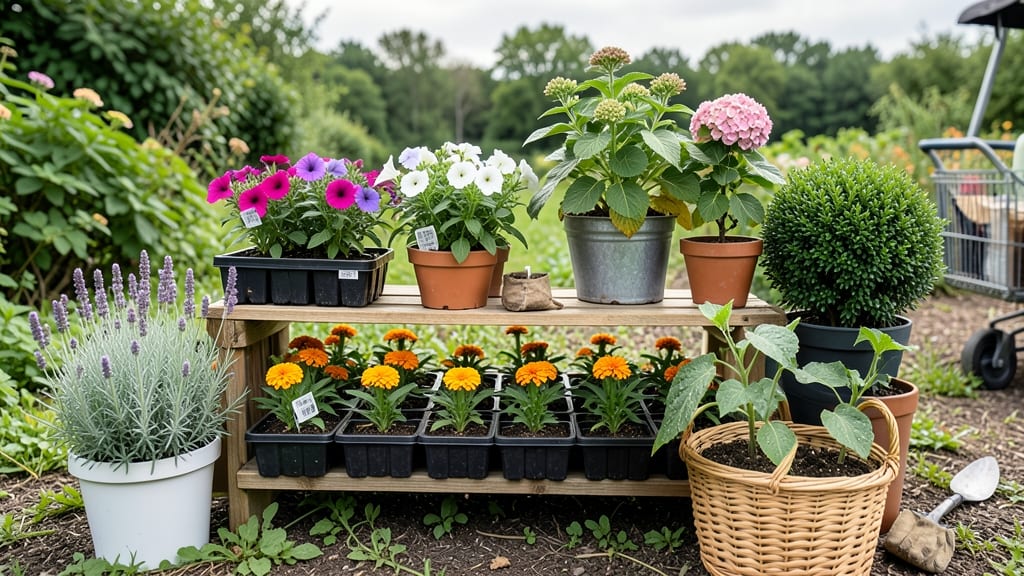
To find where to buy garden plants, local nurseries provide expert advice and healthy stock tailored to your region, while online retailers offer rare varieties and bulk purchasing convenience. Both options demand careful evaluation of plant health and seasonal timing.
Local nurseries let you see plants in person before buying, which is crucial for spotting pests or poor health. 🌱 I always check leaves for yellowing or holes—those are red flags. Plus, staff can recommend plants that thrive in your specific climate and soil type, saving you trial-and-error frustration.
For rare or specialty plants, though, online retailers like Burpee or Proven Winners often carry unique varieties you won't find locally, with detailed descriptions and customer reviews to guide your choices.
Seasonal timing matters too—spring is ideal for most perennials, but tropical plants may arrive year-round from online sources. Always verify shipping policies if ordering online, as some plants arrive in pots that can dry out during transit.
I've learned the hard way that a well-timed purchase (and proper care upon arrival) makes all the difference in plant survival rates.
💡 In This Article
- Local Nursery Advantages for Garden Plant Purchases
- Top Online Retailers for Garden Plants: What to Look For
Local nursery advantages for garden plant purchases
Local nurseries offer a sensory-rich experience that online shopping simply can't match. When you walk into a well-stocked nursery, you can immediately assess plant health by examining leaf color, stem firmness, and root structure.
For example, a thriving tomato plant should have vibrant green leaves without brown edges—a sign of proper hydration and nutrient balance. The staff can also demonstrate proper planting techniques on the spot, like burying stems to 2-3 inches for tomatoes to encourage strong root growth.
This hands-on guidance reduces the guesswork that often leads to underperforming gardens.
The regional expertise at local nurseries is another game-changer. Nursery owners often have 10-20 years of experience growing plants adapted to your specific climate zone.
They'll recommend varieties that thrive in your soil type—whether it's the slightly acidic conditions of the Pacific Northwest or the heavy clay common in the Midwest. For instance, while a local nursery might stock Black Beauty eggplants for Northern gardeners, they'll avoid heat-sensitive varieties that would wilt in Southern summers.
This localized knowledge translates to higher success rates for your garden.
Beyond plant selection, local nurseries often provide soil amendments tailored to your garden's needs. Many offer compost blends or mycorrhizal fungi that improve root establishment by up to 30%.
The ability to test soil pH on-site (often for free) means you can adjust amendments before planting, creating optimal conditions for your new additions. This level of personalized service is impossible to replicate when ordering online, where you're essentially flying blind about your garden's specific requirements.
Community support is another hidden advantage of local nurseries. Many host workshops on topics like companion planting or pest control, where you can learn how to pair basil with tomatoes to naturally repel flies.
The social aspect also creates accountability—when you see your neighbors' thriving gardens, you're more motivated to tend to yours. This sense of community is particularly valuable for beginners who might feel overwhelmed by gardening's complexities.
However, local nurseries do have limitations. Their selection is typically limited to what can thrive in your region, meaning you won't find tropical plants like hibiscus unless you live in USDA zone 10 or higher. Seasonal availability also restricts your options—most nurseries stop carrying tender annuals by early fall.
For these cases, online retailers become essential, but even then, combining both sources gives you the best of both worlds: local expertise for your main garden plants and online access to specialty varieties.
One pro tip: Visit nurseries at different times of day to observe how plants handle heat stress. A plant that wilts by midday in summer may not be suitable for your garden's microclimate. This real-world testing gives you insights that online product descriptions simply can't provide. 🌿