
Tools
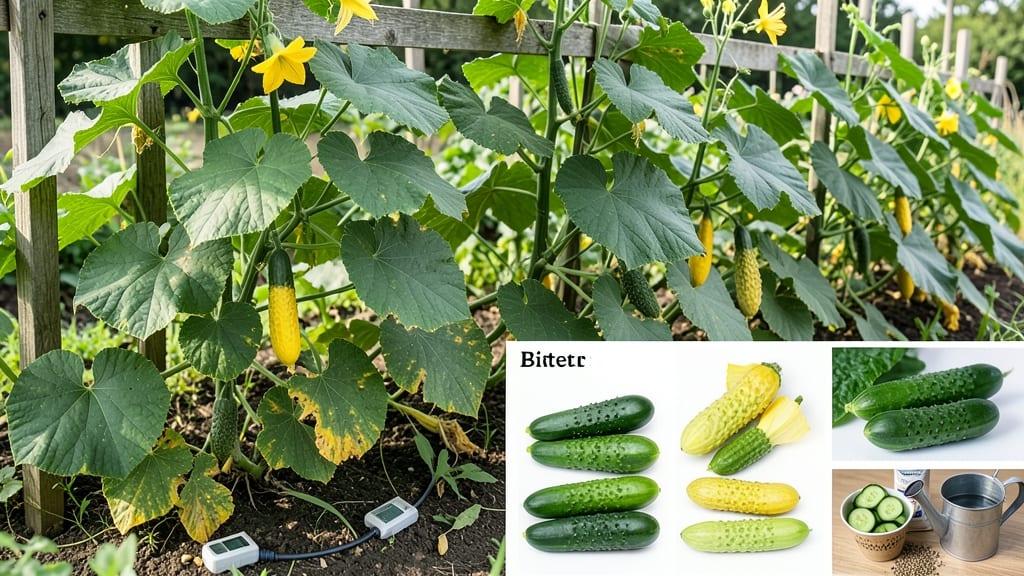
Your garden cucumbers 🥒 taste bitter because they’re overripe, stressed, or fighting environmental factors — and fixing it is easier than you think.
Picture this: you’ve spent weeks nurturing your plants, only to bite into a cucumber that tastes like soap or chalk. That’s the moment you realize bitterness isn’t just a flavor issue—it’s a cry for help from your plants.
The good news? Most causes are quick to diagnose and even quicker to fix.
Overripe fruit, uneven watering, or extreme heat can turn sweet cucumbers into bitter disappointments. But with the right adjustments—like harvesting at the perfect stage or tweaking your watering routine—you can restore that crisp, refreshing taste in just a few days.
In this guide, I’ll walk you through the most common reasons your cucumbers turn bitter and the fast fixes that work. You’ll learn how to spot the problem early, adjust your care routine, and keep your harvest sweet all season long.
5 Common reasons your garden cucumbers taste bitter (and how to fix them)
Discovering bitter cucumbers in your garden can turn a rewarding harvest into a disappointing one. The good news? Bitterness is almost always preventable or fixable with the right adjustments. Cucumbers develop bitter flavors due to environmental stress, genetic traits, or simple growing mistakes.
Let's explore the five most common causes and how to restore that sweet, crisp flavor you love.
First, it's important to understand that bitterness in cucumbers is often a survival mechanism. When plants experience stress, they produce cucurbitacins, compounds that make them less appealing to pests.
While this protects the plant, it ruins your meal prep. The key is identifying which stress factors are at play in your garden and addressing them quickly.
🔍 Why Are My Garden Cucumbers Bitter?
- 1 Overripe cucumbers develop bitter flavors as they mature beyond their prime. The longer they stay on the vine, the more bitter they become. Solution: Harvest when cucumbers reach 6-8 inches and the skin resists gentle thumb pressure.
- 2 Inconsistent watering causes stress, leading to bitterness. Cucumbers need consistent moisture—drought or overwatering disrupts flavor. Solution: Water deeply every 2-3 days, keeping soil evenly moist but not soggy.
- 3 Extreme heat or cold stresses plants, triggering bitterness. Ideal temperatures are 70-85°F. Solution: Use shade cloth during heatwaves and mulch to regulate soil temperature.
- 4 Poor pollination leads to deformed, bitter cucumbers. Bees and wind are essential for fertilization. Solution: Plant near flowering plants to attract pollinators or hand-pollinate with a small brush.
- 5 Genetic traits in some varieties make them naturally bitter. Solution: Choose slicing varieties like 'Straight Eight' or 'Marketmore' for sweeter flavors, or 'Armenian' for milder taste.
Let’s start with the most common issue: overripe cucumbers. Many gardeners assume cucumbers can stay on the vine indefinitely, but this is a myth. Once cucumbers reach their ideal size—typically 6-8 inches—they begin converting sugars into bitter compounds.
The longer they linger, the more pronounced the bitterness becomes. To fix this, I recommend harvesting cucumbers every 2-3 days during peak production. This not only prevents bitterness but also encourages your plants to produce more fruit.
Another frequent culprit is inconsistent watering. Cucumbers have high water needs, and fluctuations in moisture levels stress the plants. When soil dries out or becomes waterlogged, the plant responds by producing cucurbitacins, those bitter compounds.
To maintain sweetness, I water my cucumbers deeply every 2-3 days, ensuring the top 2 inches of soil remain moist. Using drip irrigation or soaker hoses helps deliver water consistently without wetting the leaves, which can lead to fungal issues.
If your garden experiences temperature extremes, your cucumbers may develop bitterness as a stress response. Cucumbers thrive in temperatures between 70-85°F. When temperatures rise above 90°F or drop below 55°F, the plants struggle to produce sweet fruit.
To combat this, I use shade cloth during heatwaves and apply a thick layer of mulch to regulate soil temperature. For cooler climates, I opt for early-maturing varieties like 'Bush Champion' to avoid the risk of early frost.
Poor pollination can also lead to bitter cucumbers, especially in container gardens or areas with few pollinators. When cucumbers aren’t properly pollinated, they may develop into small, misshapen, or bitter fruit. To improve pollination, I plant companion flowers like marigolds or nasturtiums near my cucumber plants to attract bees.
If pollinators are scarce, I hand-pollinate by gently brushing a small paintbrush against the male and female flowers in the morning when they’re open.
Finally, some cucumber varieties are genetically predisposed to bitterness. For example, pickling cucumbers like 'Boston Pickling' are bred for crispness and tanginess, which can translate to bitterness when eaten fresh. If you’re growing cucumbers for slicing, opt for slicing varieties like 'Straight Eight' or 'Marketmore 76'.
These varieties are bred for sweetness and are less likely to develop bitter flavors. For a milder taste, consider Armenian cucumbers, which have thinner skins and a sweeter profile.
To prevent bitterness long-term, focus on consistent care. This includes regular harvesting, proper watering, and monitoring your plants for signs of stress. If you notice yellowing leaves, it could indicate nutrient deficiencies or pests, both of which can contribute to bitter flavors.
By addressing these issues early, you’ll enjoy sweet, crisp cucumbers all season long.
Remember, bitterness is often a sign that your plants are communicating stress. Pay attention to their needs, and you’ll be rewarded with the sweet, refreshing cucumbers you love to eat. Happy gardening! 🌱
How to harvest cucumbers at the perfect stage for maximum sweetness
Harvesting cucumbers at the right moment is the simplest way to prevent bitterness and ensure maximum sweetness. Most gardeners miss the window because they focus on size alone, but flavor depends on texture, color, and stem signals too.
When you pick cucumbers too late, they develop cucurbitacin—a natural compound that creates that unpleasant bitter taste.
The ideal harvest time varies slightly by variety, but most slicing cucumbers reach peak flavor at 6-8 inches long with firm skin that resists gentle thumb pressure. If you wait until they’re larger, you risk sacrificing sweetness for size.
Think of it like catching a fish at the right moment—too early, and it’s not ready; too late, and it’s overdone.
Here’s the golden rule for harvesting: check the stem end and skin firmness every 2-3 days. A cucumber ready to pick will have a yellow or brown stem end and a slight give when pressed.
If the stem is still green and firm, it needs more time. Ignoring these cues is how bitterness sneaks into your harvest.
| Harvest Stage | Size | Skin Texture | Stem Color | Flavor Risk |
|---|---|---|---|---|
| Too Early | Under 5 inches | Very firm, pale | Green | Underdeveloped, bland |
| Perfect | 6-8 inches | Firm but yields slightly | Yellow/brown | Sweet, crisp, no bitterness |
| Overripe | 9+ inches | Soft, wrinkled | Brown/dry | Bitter, seedy, watery |
One of the biggest mistakes I see is harvesting with a knife or shears instead of using your hands. When you twist or snap the cucumber from the vine, you avoid damaging the plant and reduce the risk of disease.
A clean break also helps the plant redirect energy to producing more fruit faster, which keeps your harvest consistent and sweet.
If you’re growing long English cucumbers or pickling varieties, the rules shift slightly. These types often need to be harvested smaller (4-6 inches) for the best texture and flavor. Always check the seed packet for variety-specific guidelines—some cucumbers are bred to stay sweet even when larger, but most aren’t.
Finally, harvest frequency matters more than you think. When you pick cucumbers regularly, you encourage the plant to produce more fruit at the ideal stage. If you let cucumbers linger on the vine, the plant’s energy shifts toward seed production, and the remaining cucumbers become bitter.
Aim to harvest at least 2-3 times per week during peak production.
Pro tip: Set a reminder to check your cucumber plants every morning. Just 5 minutes of inspection can save your entire harvest from bitterness. The earlier you catch the signs, the sweeter your reward will be.