
Trees
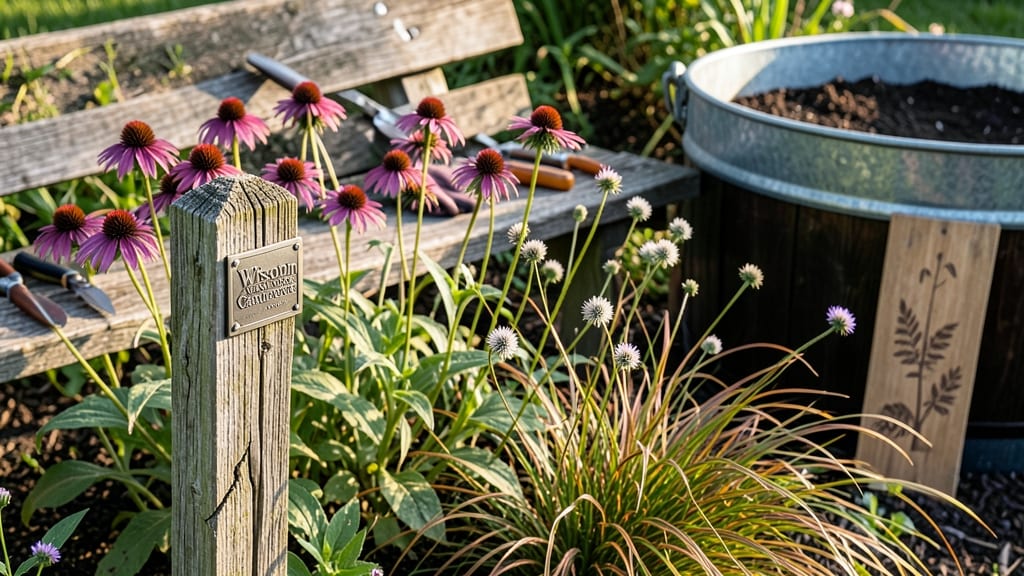
To become a Wisconsin Master Gardener, you'll complete a 20-hour training program through UW-Extension, pass an exam, and volunteer 50 hours annually. The curriculum focuses on horticulture, pest management, and sustainable practices tailored to Wisconsin's unique climate challenges.
This certification isn't just about gardening knowledge—it's a hands-on commitment to your community. 🌱 The program dives deep into Wisconsin-specific topics like managing invasive species (think spotted lanternfly or emerald ash borer) and adapting techniques for our variable weather.
What sets it apart is the volunteer requirement: you're not just learning, you're immediately applying what you learn to real-world gardens, parks, and education programs across the state.
UW-Extension offers both online and in-person training options, making it accessible whether you're in Madison or Milwaukee. The exam tests your understanding of plant health, soil science, and sustainable practices, while the volunteer hours ensure you're actively helping others improve their green spaces.
It's a great way to turn your passion for gardening into a structured, impactful role.
💡 In This Article
- Wisconsin Master Gardener Training Curriculum Breakdown
- How to Apply for Wisconsin Master Gardener Certification
Wisconsin Master Gardener training curriculum breakdown
The Wisconsin Master Gardener program's 20-hour curriculum is meticulously designed to address the unique challenges of gardening in Wisconsin's diverse climate zones, from the humid southern regions to the colder northern areas.
The training dives into soil science with a focus on Wisconsin's glacial till soils, which often require special amendments like compost or lime to achieve optimal pH levels (typically 6.0-7.0 for most plants).
You'll learn how to analyze soil texture, structure, and organic matter content using simple tests like the ribbon method or jar tests that demonstrate soil separation layers.
Plant pathology and entomology modules teach you to identify 20+ common Wisconsin pests, including Japanese beetles, squash vine borers, and the invasive spotted lanternfly.
The curriculum emphasizes integrated pest management (IPM) techniques, where you'll learn to calculate economic thresholds—like removing 5-10% of aphids before they cause significant damage—to minimize chemical use.
Lab sessions often include dissecting plant samples under microscopes to observe fungal spores or insect larvae firsthand, creating a tactile learning experience that sticks with you.
What makes this program stand out is its alignment with UW-Extension's research-backed principles, particularly in sustainable practices. You'll study Wisconsin-specific topics like managing invasive species (e.g., garlic mustard or buckthorn) and adapting gardening techniques for our variable weather patterns, including late spring frosts and early fall freezes.
The curriculum balances theory with practical applications, such as designing low-maintenance gardens for urban areas or creating pollinator-friendly landscapes that support Wisconsin's declining bee populations.
Teaching methods vary by region, with some programs offering 100% online modules for flexibility, while others combine in-person workshops with virtual components. For example, the Madison program includes a full-day field trip to the UW Arboretum, where you'll analyze soil profiles and plant health in real-time.
The hands-on approach ensures you're not just memorizing facts but developing the skills to diagnose garden problems and implement solutions immediately.
One often-overlooked aspect is the emphasis on community and communication skills. The program trains you to translate complex gardening science into accessible advice for home gardeners, whether through public speaking, writing articles, or leading workshops.
This skill set is particularly valuable when volunteering, as you'll frequently interact with diverse audiences, from schoolchildren to senior citizens, each with unique gardening needs.
Consider these key curriculum highlights that set Wisconsin's program apart:
- Wisconsin-specific focus: Topics like managing emerald ash borer infestations or adapting to Zone 3-5 climates are deeply integrated
- Hands-on labs: Soil analysis, plant disease diagnosis, and pest identification using microscopes
- Research-backed content: Curriculum developed in collaboration with UW-Madison's College of Agricultural and Life Sciences
- Flexible formats: Online, in-person, or hybrid options depending on your location and schedule
The program's structure ensures you leave with both technical expertise and the ability to apply it in real-world scenarios—whether you're troubleshooting a home garden or leading a community project. This combination of knowledge and practical skills is what makes Wisconsin Master Gardeners such valuable resources in their communities. 🌿