
Watering
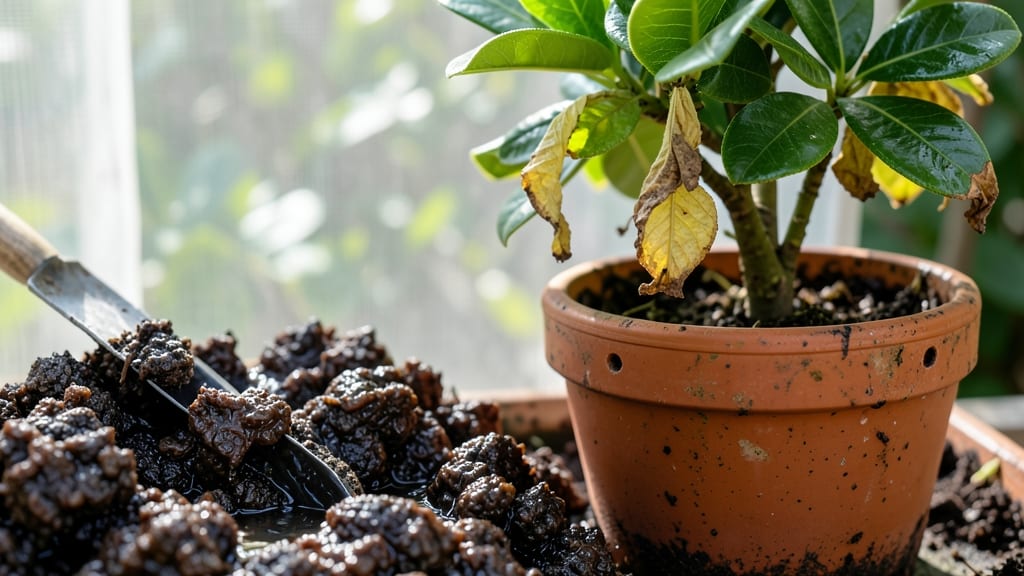
When the leaves of a yellow overwatered gardenia droop and yellow, it’s a clear sign of root rot—stop watering immediately, inspect for blackened or mushy roots, trim away the damaged sections, and repot in fresh, well-draining soil to help the plant recover. Prune off the yellow leaves to redirect energy toward healing the roots.
A yellow overwatered gardenia signals a suffocating root environment where fungal infections and nutrient starvation take hold. 🌱 The yellowing begins as a subtle stress response—chlorosis—but becomes irreversible if ignored.
I’ve seen gardenias make a full recovery when addressed early, but the key lies in swift action and creating the right conditions: airy soil, proper drainage, and a temporary pause on watering until the roots stabilize.
What many gardeners overlook is that recovery isn’t just about fixing the roots—it’s about adjusting the entire care routine. After repotting, I recommend placing the plant in bright, indirect light and checking soil moisture with your finger (only water when the top 1-2 inches feel dry).
The goal is to balance the plant’s natural drought tolerance while giving it the time it needs to bounce back.
💡 In This Article
- Identifying Root Rot in Overwatered Gardenias
- Step-by-Step Gardenia Recovery After Overwatering
Identifying root rot in overwatered gardenias
Root rot in gardenias starts when excess water displaces oxygen in the soil, creating an anaerobic environment that suffocates the roots. This triggers two destructive processes: fungal growth (like Pythium or Phytophthora) and bacterial infections, both of which thrive in waterlogged conditions.
The roots begin to turn mushy and dark brown or black within 3-5 days of chronic overwatering, losing their ability to absorb nutrients or water.
The yellowing you see on leaves is a symptom called chlorosis, where the plant can't produce enough chlorophyll due to nutrient starvation.
Ironically, the plant may still feel moist at the surface while the roots suffocate below. 🌱 A simple test: gently squeeze a handful of soil—if it stays clumped and smells sour or rotten, that’s your confirmation.
Healthy gardenia roots should be firm, white to tan, and fibrous, while rotting roots will feel slimy and emit a foul odor.
Look for other visual cues: leaves may yellow from the bottom up, with newer growth appearing stunted or curled. The plant might also wilt despite moist soil—a classic sign of root dysfunction.
In severe cases, you might spot white fungal growth on the soil surface or at the base of the stem. These signs indicate the rot has progressed beyond the roots and is now attacking the plant’s vascular system.
What’s happening chemically? Overwatered soil becomes acidic (pH drops below 6.0), which further stresses the roots. The plant’s natural defense mechanisms—like producing antimicrobial compounds—get overwhelmed, allowing pathogens to spread rapidly. This is why gardenias, which prefer slightly acidic soil (pH 5.0-6.5), are particularly vulnerable when overwatered.
Don’t wait for the plant to collapse—early intervention can save it. The key is catching the rot before it spreads to the stem. Healthy roots should feel firm when touched, while infected ones will collapse under gentle pressure.
If you see even a few blackened roots, act immediately to prevent total failure.
Pro tip: Use a clean, sterilized knife to trim roots—never pull or tear them, as this can damage healthy tissue. Disinfect your tools with rubbing alcohol between cuts to prevent cross-contamination. 💫