
Planting
Zone 5 gardening requires strategic planting based on last frost dates (mid-April to mid-May) and first frost timelines (mid-October), with frost-proofing techniques like row covers, mulch, and cold-hardy plant selection to extend growing seasons and protect tender crops.
Mastering Zone 5 gardening means working with your climate's natural rhythms—where a single late frost can wipe out weeks of progress. 🌱 The key is balancing timing with protection: start cool-season crops like spinach in early spring, but keep row covers handy for those 28°F dips.
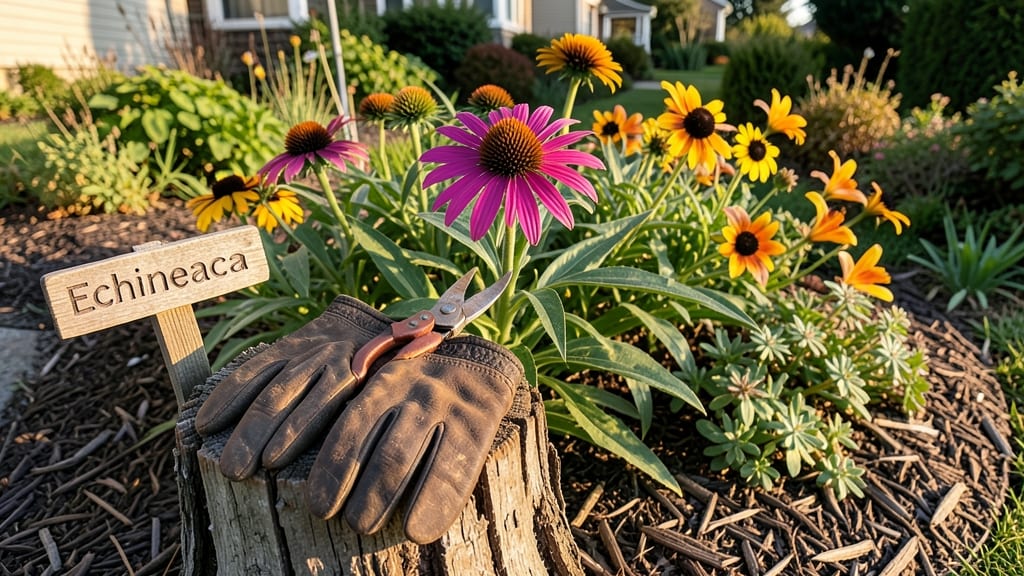
I’ve found that perennials like coneflowers thrive here with minimal fuss, while annuals need extra care during temperature swings. Even experienced gardeners misjudge frost dates, so I always plant heat-lovers like tomatoes after Memorial Day, even if the calendar suggests otherwise.
Beyond timing, the real game-changer is layering defenses. A thick layer of straw mulch around tender plants can add 5-10°F of protection overnight, while lightweight row covers create microclimates that shield seedlings from surprise frosts.
For budget-friendly solutions, I repurpose old window screens as makeshift cold frames—cheap, effective, and reusable for years. The goal isn’t just survival; it’s turning Zone 5’s challenges into opportunities for longer harvests and hardier plants.
💡 In This Article
- Understanding Zone 5 Frost Dates and Plant Hardiness
- Frost-Proofing Hacks for Zone 5 Gardens
Understanding Zone 5 frost dates and plant hardiness
Zone 5's frost patterns follow a predictable cycle, but with critical variations. The USDA defines Zone 5 as areas with average minimum winter temperatures between -20°F and -10°F, but frost timing varies by 1-2 weeks even within the same zone due to microclimates.
For example, urban areas often experience later last frosts because concrete absorbs heat during the day and releases it at night, creating warmer pockets. Meanwhile, open fields can drop to 28°F or lower 2-3 weeks earlier than city gardens.
The science behind frost timing involves temperature inversion layers—cold air sinks and pools in low-lying areas, while hillsides stay warmer. This is why gardeners in valleys often face earlier frosts than those on slopes.
Plant hardiness ratings (like the 30°F threshold for tomatoes) refer to the lowest temperature a plant can survive, but germination and transplanting require different thresholds. Seeds often need soil temperatures above 50°F to sprout, while seedlings can't handle temps below 40°F without protection. 🌡️
Timing matters most during three critical windows: last frost (when nighttime temps stay above 32°F consistently), transplanting (after soil warms to 60°F for warm-season crops), and harvest (before first frost hits).
In Zone 5, last frosts typically occur between April 15-30, but I've seen them linger until May 10 in particularly cold years. This variability is why I always plant cold-hardy crops like peas and lettuce 4-6 weeks before the average last frost date.
Plant hardiness ratings can be confusing because they don't account for acclimation. For instance, a 25°F-hardy plant might survive a 28°F night if it's been gradually exposed to cooler temps, but could fail if hit by a sudden 20°F drop.
This is why I harden off seedlings over 7-10 days before transplanting—exposing them to outdoor conditions during the day and bringing them in at night mimics natural temperature fluctuations.
One often-overlooked factor is the 24-hour rule for frost warnings. Meteorologists predict frost when temps drop to 36°F or below, but actual frost forms at 32°F with high humidity. This means plants can suffer damage even when frost isn't officially forecasted.
I've lost entire trays of seedlings to 34°F nights because I didn't account for this buffer. The solution? Monitor both official forecasts and your local weather station's actual temperature readings.
For gardeners new to Zone 5, the key takeaway is to plant in three waves: cold-hardy crops first (like kale), followed by transitional plants (spinach, peas) 2-3 weeks later, and finally heat-lovers (tomatoes, peppers) only after Memorial Day.
This staggered approach ensures you have continuous harvests regardless of frost timing. The most resilient gardeners I know treat frost dates as guidelines, not rules—always keeping row covers and mulch on hand for those unpredictable 28°F surprises. 🌱