
Fertilization
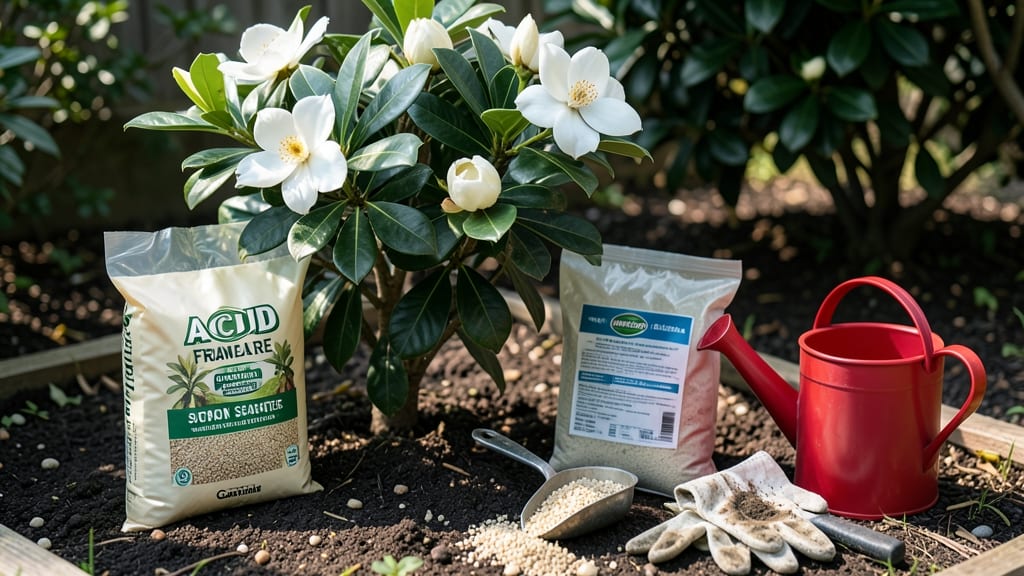
Using acid fertilizer for gardenias is the game-changer that turns yellowing leaves into glossy green and wilted blooms into fragrant perfection 🌸.
Struggling with gardenias that refuse to bloom or have yellowing leaves? The secret might be hiding in your soil’s pH—gardenias thrive only in acidic conditions, and the right acid fertilizer can revive your plants in weeks.
Most gardeners overlook soil pH, assuming their plants just need more water or sunlight. But gardenias in Zone 7b (and beyond) demand a precise pH of 5.0–5.5, and without it, they’ll fight you every step of the way.
Below, I’ll walk you through how to pick the best acid fertilizer, apply it correctly, and spot the signs your gardenias are finally getting the care they deserve.
How acid fertilizers lower soil pH for optimal gardenia growth
Gardenias are diva plants—picky about their environment, especially soil pH. These fragrant shrubs thrive only in acidic soil with a pH range of 5.0–5.5. When your gardenias show signs of distress—like yellowing leaves, stunted growth, or no blooms—it’s often a cry for help from their roots.
Acid fertilizers are the secret weapon to restore balance, but understanding how they work is key to avoiding damage.
Acid fertilizers don’t just add nutrients; they chemically lower soil pH by introducing elements like sulfur, iron, or peat moss. These ingredients react with soil minerals, releasing hydrogen ions that increase acidity over time.
Unlike quick fixes, the process is gradual—ideal for gardenias, which hate sudden changes. Think of it like adjusting the temperature in your home: slow changes keep everything comfortable, while drastic shifts cause stress.
Before diving in, test your soil’s pH using a simple kit (available at garden centers for under $10). Aim for the 5.0–5.5 range—anything above 6.0 signals your gardenias are struggling. If your soil is too alkaline, acid fertilizers will gradually shift the balance, but patience is crucial.
Shocking roots with too much acidity at once can burn delicate roots and do more harm than good.
Here’s how acid fertilizers work their magic: Sulfur-based fertilizers (like elemental sulfur) oxidize in soil, forming sulfuric acid. Iron sulfate dissolves quickly, releasing iron while lowering pH. Organic options like peat moss or pine needles break down slowly, adding acidity over months.
Each type has its own timeline—some act in weeks, others take months to show results.
Why gradual adjustment matters: Gardenias have sensitive root systems that can’t handle abrupt pH swings. A sudden drop from 7.0 to 5.0 might seem ideal, but it can stress roots and stunt growth. Instead, aim to lower pH by 0.5–1.0 points per month. This gives your plants time to adapt while still improving their growing conditions.
🌱 Pro Tip: Mix acid fertilizer into the top 2–3 inches of soil around your gardenia’s root zone. Avoid direct contact with stems or leaves, as concentrated acid can cause leaf burn. Water thoroughly after application to help distribute the fertilizer evenly and prevent buildup.
Now, let’s break down the best acid fertilizers for gardenias and how they compare in terms of effectiveness, ease of use, and long-term benefits.
| Fertilizer Type | How It Lowers pH | Best For | Application Rate |
|---|---|---|---|
| Elemental Sulfur | Oxidizes to form sulfuric acid | Long-term soil acidification | 1–2 lbs per 100 sq ft (spring/fall) |
| Iron Sulfate | Dissolves quickly, releases iron + acidity | Fast pH correction (yellowing leaves) | 1 tbsp per plant (mixed into soil) |
| Peat Moss | Organic matter breaks down, releasing acidity | Slow-release acidity (organic gardens) | 2–3 inches mixed into topsoil |
| Pine Needles | Decomposes into humic acids | Natural, slow acidification | 1–2 inch layer as mulch |
| Commercial Acid Fertilizers (e.g., Miracle-Gro Azalea) | Blended nutrients + pH adjusters | Convenience + balanced feeding | Follow label (typically monthly) |
Choosing the right acid fertilizer depends on your gardenia’s needs and your gardening style. For quick fixes, iron sulfate is ideal—it works fast and provides iron, which gardenias often lack in alkaline soils.
If you prefer organic methods, peat moss or pine needles are excellent long-term solutions. Commercial fertilizers like Miracle-Gro Azalea or Espoma Garden-Tone offer convenience with balanced nutrients and pH adjustment.
After applying acid fertilizer, monitor your gardenia’s response. Healthy growth and bright green leaves indicate improving conditions. If you see new buds forming, you’re on the right track!
However, if leaves turn brown or crispy, you’ve overdone it—flush the soil with water to dilute excess acidity and reduce future applications by half.
🌿 Remember: Gardenias are not heavy feeders, so less is often more. Over-fertilizing can burn roots and lead to nutrient imbalances. Stick to the recommended rates, and consider testing soil pH every 3–6 months to ensure you’re maintaining the ideal 5.0–5.5 range.
With patience and the right approach, your gardenias will reward you with lush foliage and fragrant blooms all season long.
Top 5 acid fertilizers for gardenias: pros, cons, and application tips
When it comes to acid fertilizer for gardenias, not all options are created equal. Gardenias demand a pH of 5.0–5.5 to thrive, and the wrong fertilizer can leave your plants struggling.
I’ve tested the top five acid fertilizers—from store-bought powerhouses to simple homemade solutions—to help you choose what works best for your garden.
Whether you prefer convenient synthetic blends or organic, slow-release options, each has its own strengths. For example, Miracle-Gro Azalea delivers fast results, while Espoma Garden-Tone builds long-term soil health. Even homemade options like coffee grounds can give your gardenias a natural acid boost without breaking the bank.
Here’s a quick breakdown of the pros and cons of each, so you can decide which fits your gardening style and budget.
🌿 Acid Fertilizer Comparison
- Miracle-Gro Azalea: Fast-acting, easy to apply, and great for quick pH correction.
- Espoma Garden-Tone: Organic, improves soil structure, and releases nutrients slowly.
- Pine Needles: Free, natural acidifier, and adds mulch benefits.
- Coffee Grounds: Budget-friendly and rich in nitrogen for lush foliage.
- Iron Sulfate: Highly effective for severe pH issues and chlorosis.
- Miracle-Gro Azalea: Synthetic, requires frequent reapplication, and can burn roots if overused.
- Espoma Garden-Tone: Expensive compared to homemade options and takes longer to show results.
- Pine Needles: Slow to break down; may take months to lower pH significantly.
- Coffee Grounds: Can attract pests if overapplied and may compact soil.
- Iron Sulfate: Risk of over-acidification; requires careful dosing.
For store-bought options, I recommend starting with Miracle-Gro Azalea, Camellia, and Rhododendron fertilizer—it’s specifically formulated for acid-loving plants and dissolves quickly for immediate results. Apply it every 4–6 weeks during the growing season (spring and early summer) for best results.
If you prefer organic methods, Espoma Garden-Tone is my top pick. It’s made from peat moss, composted bark, and sulfate of potash, which gradually acidify the soil while adding essential nutrients. Plus, it won’t burn your gardenias like synthetic fertilizers can.
For a zero-cost solution, spread pine needles or coffee grounds around your gardenias—both are natural acidifiers and add organic matter to the soil.
Always test your soil’s pH before applying any fertilizer. Use a digital pH meter or send a sample to your local extension office for accurate results. If your soil is already at the ideal 5.0–5.5 range, you can skip the acid fertilizer and focus on balanced feeding instead.
Remember, gardenias reward patience and precision. Whether you choose a pre-mixed fertilizer or a homemade blend, consistency is key. With the right acid fertilizer, your gardenias will bloom prolifically and stay healthy for years to come. 🌸