
Vegetables
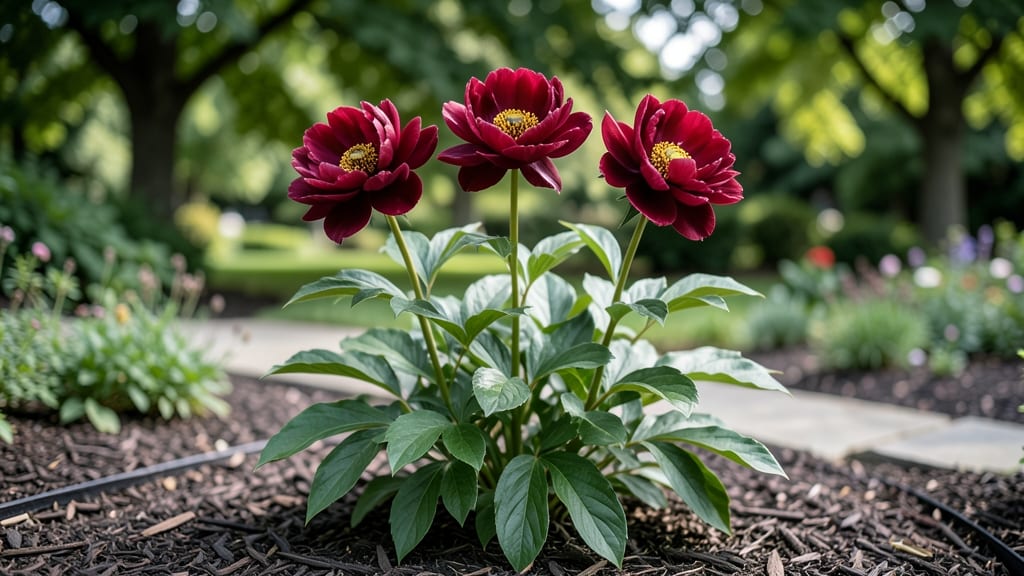
Adelman Peony Gardens in Oregon features over 1,500 peony varieties in spectacular bloom from late May through June, complete with guided tours, a charming gift shop, and a tranquil woodland garden setting.
This Oregon garden isn't just a flower show—it's a living museum of peony diversity, where each bloom tells a story. 🌸 The Willamette Valley's mild climate creates perfect conditions for these delicate flowers, with blooms lasting longer than in colder regions.
I've found that visiting on weekdays means fewer crowds and better photo opportunities among the rare hybrids, like the deep burgundy 'Bowl of Beauty' or the fragrant 'Sarah Bernhardt'.
The garden's layout also includes hidden paths where you can experience the full sensory experience of peonies—from their velvety petals to their intoxicating scent.
The Peony Festival in June adds another layer of magic, with live music and workshops that let you learn about peony cultivation firsthand. Whether you're a photography enthusiast or just love gardens, Adelman delivers an unforgettable experience that goes beyond the typical flower show.
💡 In This Article
- Peony Bloom Seasons and Oregon’s Climate Impact
- Hidden Gems and Must-See Features at Adelman Peony Gardens
Peony bloom seasons and Oregon’s climate impact
Oregon’s Willamette Valley creates a near-perfect environment for peonies, thanks to its mild, maritime climate with cool nights and warm days—ideal for triggering blooms.
The late May to June window occurs because peonies need chilling hours (300-500 hours below 45°F) during winter to break dormancy, followed by consistent 60-75°F temperatures in spring. This region’s moderate rainfall (about 40-50 inches annually) keeps the soil moist without waterlogging, which could stress roots.
What makes Adelman Gardens unique is its microclimate advantage—the garden sits at 200 feet elevation, just enough to delay frost and extend the bloom season by 1-2 weeks compared to higher elevations in Oregon.
For example, tree peonies (like 'Koi-Nishiki') bloom 2-3 weeks later than herbaceous types (like 'Bowl of Beauty') due to their deeper root systems requiring more warmth.
Rainfall patterns also play a role: April showers (about 3-4 inches) prime the soil, while June’s drier spells (just 1-2 inches) prevent petal rot.
Visitors often wonder why some peonies bloom earlier or later than others. The answer lies in cultivar-specific needs: Intersectional hybrids (crosses between tree and herbaceous peonies) thrive in Adelman’s climate, blooming 3-5 days longer than pure herbaceous types.
For instance, 'Sarah Bernhardt' (a fragrant hybrid) peaks in mid-June, while 'Kansas' (a classic herbaceous) starts blooming in late May. This variation is why the garden’s 1,500+ varieties create a 3-week-long visual feast.
Oregon’s Pacific Northwest location also shields peonies from extreme heat or cold.
Unlike gardens in California’s Central Valley (which can hit 90°F+ and cause early wilting) or New England (where frosts in May can damage buds), Adelman’s temperature range of 55-78°F in peak bloom season ensures petals stay plump and vibrant.
The garden’s woodland setting further protects blooms from harsh winds, allowing them to open fully and last 7-10 days per variety—a luxury in other regions.
For photographers and gardeners, timing is everything. The first week of June often marks the peak of herbaceous peonies, while tree peonies reach their prime in late June.
Morning visits (before 10 AM) are ideal because dew keeps petals crisp and dew-covered, creating a magical, almost ethereal quality in photos. The garden’s elevation and microclimate also mean blooms last 20-30% longer than in flatter, warmer areas like the Willamette Valley floor.
What most visitors don’t realize is how rainfall timing affects bloom duration. A dry spell in early June (common in Oregon) can extend petal life by 3-5 days by reducing fungal pressure. This is why Adelman’s blooms often outlast those in Mediterranean climates, where summer droughts arrive earlier.
The garden’s organic soil amendments (like composted leaf mold) also enhance water retention, giving roots a steady supply without over-saturation.
To maximize your visit, check the garden’s annual bloom forecast—available online by mid-April. This tool predicts bloom windows by variety, helping you plan for specific colors or fragrances.
For example, fragrant peonies (like 'Duchesse de Nemours') peak in early June, while double-flowered varieties (like 'Coral Charm') shine in late June. With this knowledge, you can time your trip to see the full spectrum of peony diversity in just a few days. 🌸