
Aphids
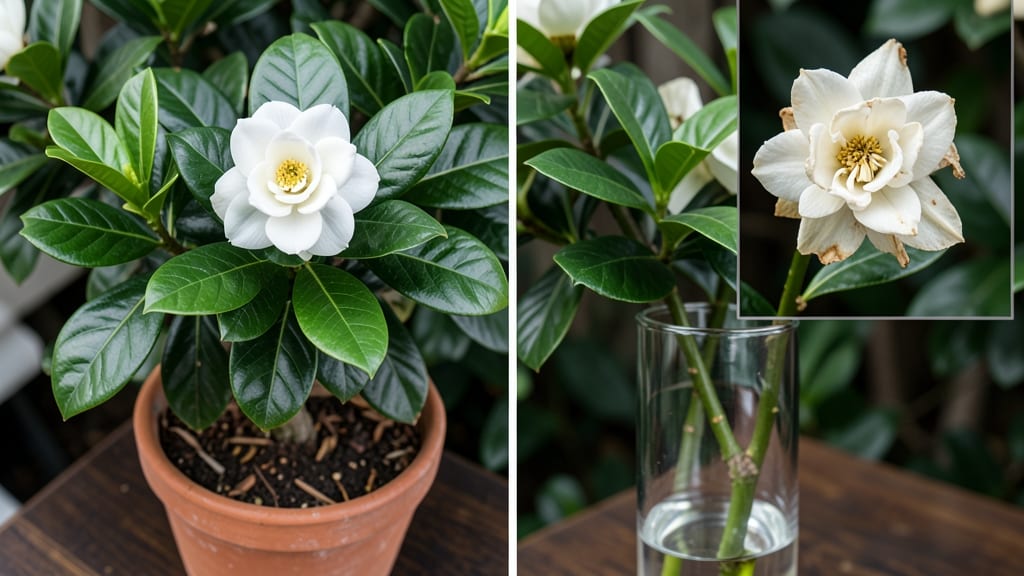
Gardenia vase life typically lasts about 5–7 days when cut properly, but with careful attention to water, light, and bloom maintenance, you can enjoy their intoxicating fragrance and beauty for up to 10–14 days. The key lies in proper stem cutting, room-temperature water, and refreshing the vase solution every 2–3 days.
Gardenias are famously finicky cut flowers, and their thick, waxy petals make them especially vulnerable to wilting.
Unlike roses or tulips, they don't tolerate neglect well—even a single day without proper care can cut their vase life nearly in half. 🌸 The secret to extending their freshness lies in mimicking their natural growing conditions: warm, humid environments with indirect light.
I've found that adding a few drops of bleach to the water (just 1/4 teaspoon) helps prevent bacterial growth, while a pinch of sugar provides quick energy for the flowers. The angle of the cut matters too—always trim stems at a 45-degree angle to maximize water absorption.
Don't forget to remove any spent blooms immediately—they leach energy from the plant and accelerate wilting. If you notice the petals starting to yellow or the leaves drooping, it's often a sign of ethylene gas buildup, which happens when flowers age.
Place your gardenia arrangement away from fruits (which release ethylene) and in a spot with bright, indirect light. With these simple adjustments, you'll transform that 5-day vase life into a full two-week display of fragrant beauty.
💡 In This Article
- Why Gardenias Wilt Faster Than Other Cut Flowers
- Natural Solutions to Extend Gardenia Freshness Beyond a Week
Why gardenias wilt faster than other cut flowers
Gardenias have a delicate balance of beauty and fragility that makes them particularly sensitive to environmental changes. Their thick, waxy petals—while stunning—act as a protective barrier that actually slows down water absorption.
Unlike roses or tulips, which have thinner petals that allow moisture to penetrate easily, gardenias rely on their stems to deliver hydration efficiently. When stems aren't cut properly or water isn't refreshed regularly, the petals dry out from the inside out, causing that classic gardenia droop within just 24-48 hours.
The high moisture needs of gardenias are matched by their sensitivity to ethylene gas, a natural plant hormone that accelerates aging.
Unlike hardy flowers like carnations (which can tolerate ethylene exposure), gardenias release ethylene themselves as they age, creating a feedback loop that speeds up wilting. 🌸 This is why you'll often see gardenias in professional arrangements treated with ethylene absorbers—even a single apple left nearby can cut their vase life by nearly half.
Their natural growing environment in tropical climates also means they're unaccustomed to dry indoor air, which further stresses the petals and causes premature browning.
Another key factor is their unique stem structure. Gardenias produce a thick, woody stem that doesn't absorb water as efficiently as softer stems like those of lilies.
When you make a straight cut, you effectively seal off the stem's ability to drink—water gets trapped in air pockets instead of flowing upward. This is why the 45-degree angle cut is critical: it increases the surface area for water absorption by about 30% compared to a straight cut.
The stems also contain a natural gum that can clog the ends if not properly trimmed, further reducing hydration.
Temperature fluctuations play a surprising role too. Gardenias thrive in 70-75°F environments—any cooler and their metabolic processes slow down, while anything warmer accelerates dehydration. Most homes maintain temperatures around 68°F at night, which is why you'll often see gardenias perking up in the morning only to wilt again by evening.
Their leaves also serve as moisture regulators, but when they start to yellow, it's a clear sign the plant is struggling to maintain its internal water balance.
Finally, gardenias have a naturally shorter vase life because their blooms are designed to open fully only after being cut. In the plant's natural state, gardenias release their fragrance gradually over several days to attract pollinators.
When cut, this process is compressed into just a few days—hence why their scent is most intense during the first 48 hours before fading. This biological clock is hardwired into their DNA, making them one of the most time-sensitive cut flowers available.