
Container Gardens
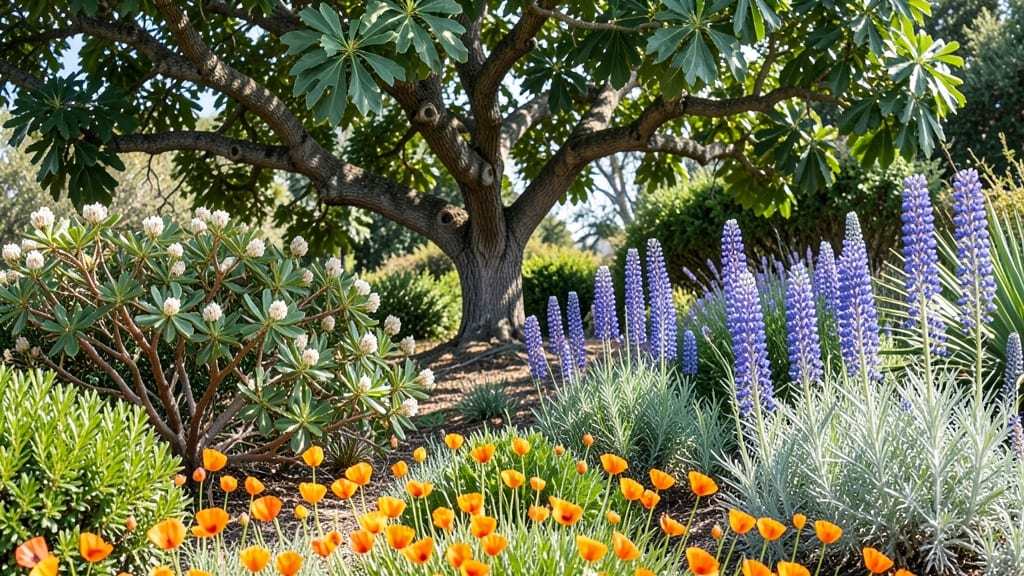
Alta Vista Botanical Gardens in Vista, CA, offers stunning themed gardens, rare plant collections, and peaceful walking paths that showcase year-round beauty, from vibrant orchids to native California plants. Admission is free, and expert-led tours dive deeper into sustainable gardening and conservation.
This 15-acre garden stands out for its carefully curated sections, like the serene Japanese Garden with koi ponds and the striking Desert Garden featuring drought-resistant cacti and succulents. 🌵 What makes it special is how each area tells a story—whether through the Children's Garden's interactive play spaces or the native plant collections that support local ecosystems.
The free admission policy removes barriers, while guided tours (often led by volunteers) reveal fascinating details about plant care and conservation that you'd miss on your own.
Beyond the gardens, Alta Vista hosts seasonal events like spring wildflower displays and fall plant sales, making every visit unique. The best time to explore is during weekdays when crowds are lighter, but weekend mornings catch the gardens at their most vibrant.
Pro tip: Check their calendar for volunteer-led tours—they often include behind-the-scenes access to greenhouses and propagation areas.
💡 In This Article
- Exploring Alta Vista’s Themed Gardens and Plant Collections
- Best Times to Visit Alta Vista Botanical Gardens
Exploring Alta Vista’s themed gardens and plant collections
Alta Vista’s 15-acre landscape is divided into distinct themed gardens, each designed to showcase different horticultural styles and plant adaptations.
The Japanese Garden, for example, features meticulously pruned bonsai trees, a tranquil koi pond, and traditional lanterns that create a meditative atmosphere. 🌿 What makes this section unique is its use of moisture-loving plants like azaleas and ferns, which thrive in the garden’s carefully managed microclimate with 55-65% humidity levels—a stark contrast to the nearby Desert Garden, where cacti and agave species flourish under full sun exposure and minimal irrigation.
The Desert Garden is a masterclass in drought-resistant landscaping, featuring over 50 species of native and adapted succulents, including the striking queen of the night cactus (Selenicereus grandiflorus), which blooms only at night with fragrant white flowers.
This section highlights how plants like the California barrel cactus (Ferocactus cylindraceus) store water in their ribs, a survival strategy that’s crucial in San Diego’s Mediterranean climate with its dry summers and mild winters.
The garden’s elevated pathways allow visitors to observe these adaptations up close without disturbing the plants.
For families, the Children’s Garden offers interactive elements like a sensory path with textured plants (e.g., fuzzy lamb’s ear or spiky prickly pear) and a mini orchard where kids can harvest seasonal fruits.
What’s often overlooked is the garden’s pollinator-friendly design, which includes native milkweed for monarch butterflies and bee balm to attract hummingbirds. 🌸 The horticultural team also rotates seasonal displays, such as swapping out spring bulbs for fall chrysanthemums, ensuring the garden remains dynamic year-round.
The Rare Plant Collection is where Alta Vista truly shines, housing endangered species like the Santa Barbara jewelflower (Streptanthus niger), a tiny wildflower found in just a handful of California locations. These plants are grown using propagation techniques like tissue culture to preserve genetic diversity.
Visitors can often spot orchid hybrids in the greenhouse, where controlled 60-70°F temperatures and 70-80% humidity mimic their tropical native habitats. The garden’s conservation efforts extend beyond display—volunteers participate in seed banking and habitat restoration projects.
Seasonal transformations are a highlight, with spring bringing vibrant California poppies and wild lilacs, while fall showcases maple trees with fiery red foliage. The holiday season features poinsettias and Christmas cacti, adding festive color.
What’s less obvious is how the garden’s mulching strategies—using wood chips in shaded areas and gravel in sunny sections—help regulate soil temperature and moisture, supporting plant health across seasons.
To fully appreciate these gardens, I recommend starting at the Visitor Center, where interactive maps and plant ID guides provide context.
The guided tours, often led by master gardeners, reveal hidden details like the 100-year-old olive tree in the Mediterranean section or the native grasslands restoration area designed to support endangered species like the San Diego fairy shrimp.
These tours typically run weekends at 10 AM and 2 PM, offering the perfect balance of education and exploration. 🌱