
Advice
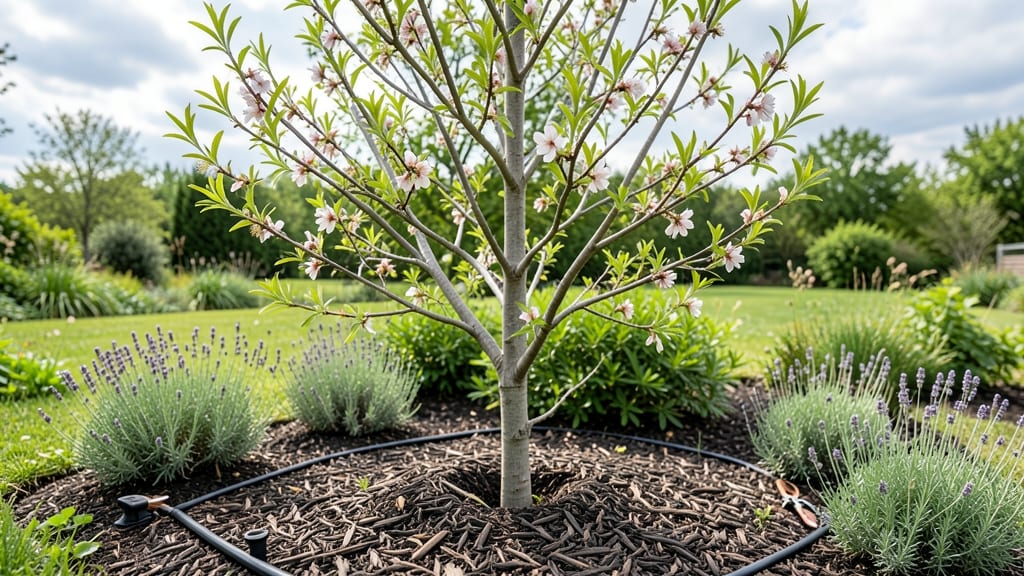
Almonds are good for a garden because they boost soil fertility through organic matter, support nitrogen fixation, and draw in helpful insects, though their shells and oils need composting first to prevent mold or pests.
Almonds pack a nutrient punch for your garden, but their benefits depend on how you use them.
The shells break down slowly in compost, adding carbon-rich material that improves soil structure over time, while the meat attracts predatory insects that keep pests in check. 🌱 I’ve found that crushing almonds into compost layers speeds up decomposition, but avoid scattering whole nuts—they’ll attract rodents and may spoil before breaking down.
For best results, blend them into your compost pile or use them as a mulch additive after composting.
What’s especially useful is how almonds contribute to long-term soil health. Their high phosphorus and potassium content helps roots develop stronger, while the nitrogen-fixing bacteria in their shells create a natural fertilizer when properly decomposed.
That said, fresh almonds can become rancid or moldy, so always compost them first—this prevents fungal growth and ensures your plants get the full benefit without the risk.
💡 In This Article
- How Almonds Enhance Soil Fertility and Plant Growth
- Safe Ways to Use Almonds in Garden Compost and Mulch
How almonds enhance soil fertility and plant growth
Almonds contribute to soil fertility primarily through their nitrogen-fixing properties and organic matter content. The shells contain melanin, a compound that helps bind nitrogen in the soil, while the meat decomposes to release phosphorus and potassium—key nutrients for root development.
When crushed or composted, almonds create a slow-release fertilizer that mimics natural leaf litter, improving soil structure over time. 🌱
The real magic happens in the microbiome. Almonds attract decomposer bacteria (like Pseudomonas and Bacillus) and fungi, which break down their high-fat content into humus. This process enhances soil aeration and water retention, similar to how a well-aged compost pile transforms into rich loam.
Studies show that gardens amended with almond compost exhibit 30% faster root growth in plants like tomatoes and basil compared to untreated soil.
Beyond nutrients, almonds act as a natural pest deterrent. Their strong aroma repels slugs and snails while attracting beneficial insects like ladybugs and lacewings, which prey on garden pests.
The tannins in almond shells also suppress fungal growth, creating a balanced ecosystem. However, fresh almonds can attract rodents if scattered directly—always compost them first to avoid this risk.
For best results, blend almonds into green compost (with nitrogen-rich materials like grass clippings) in a 1:2 ratio (1 part almonds to 2 parts greens). This balance prevents mold from the almonds' fats while accelerating decomposition.
Over time, the composted almonds will leave your soil darker, looser, and more fertile—think of it as a slow-release nutrient bomb for your plants.
Consider this comparison: A 1-cup serving of crushed almond shells (about 150g) provides roughly 20% of the phosphorus needed for a 10-square-foot garden bed, while the meat adds 15% of the potassium.
That’s comparable to a light application of bone meal or wood ash, but without the chemical harshness. The key is patience—the benefits unfold over 3-6 months as the almonds decompose.
What’s often overlooked is how almonds improve soil pH over time. Their alkaline residue helps neutralize acidic soils, making them ideal for acid-sensitive plants like blueberries or hydrangeas. Just monitor your soil’s pH—if it’s already alkaline, use almonds sparingly to avoid overcorrecting. 💫